Tag Archives: herbal medicine

Flow and Adapt

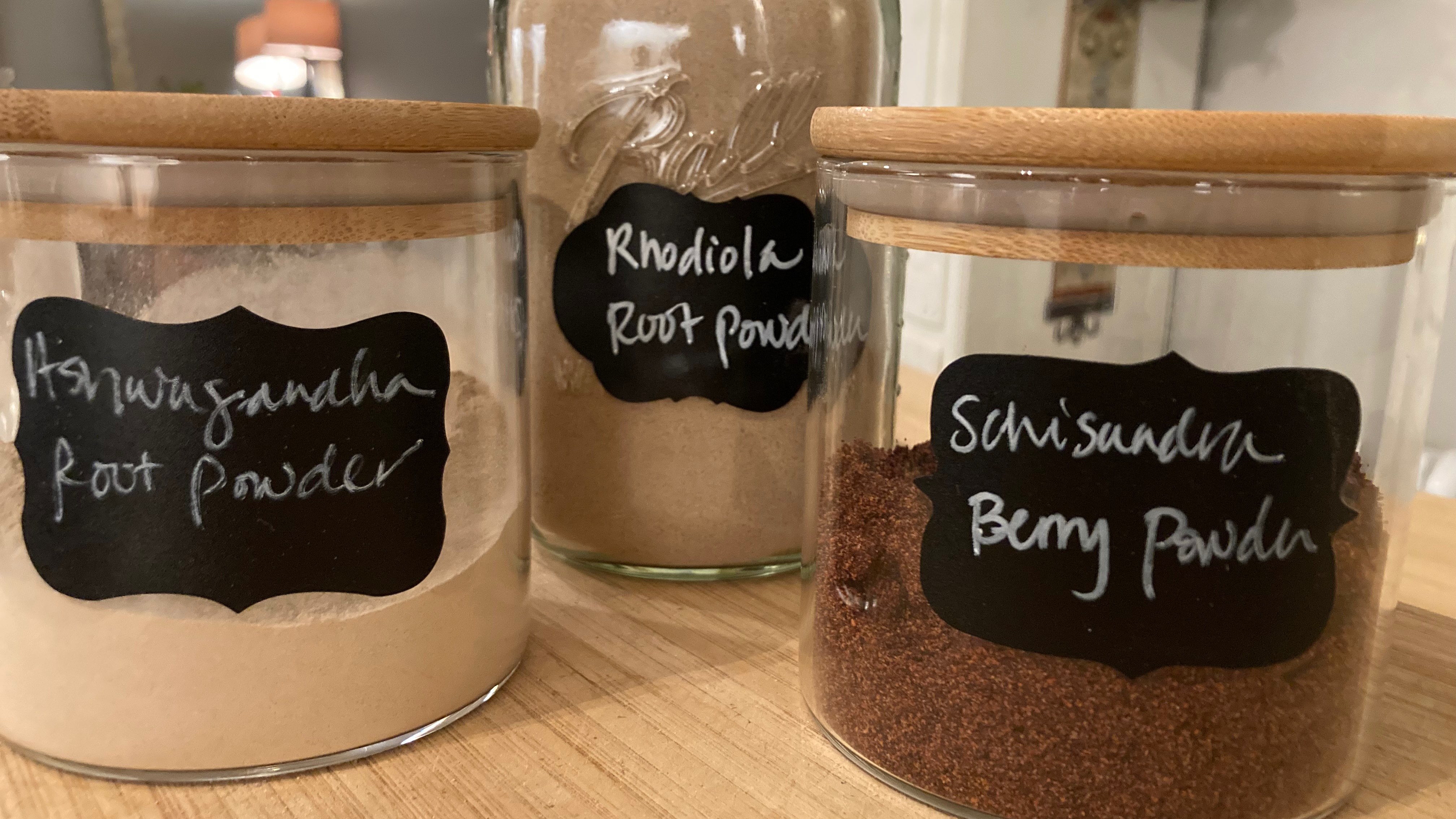
Ashwagandha, Rhodiola root, and Schisandra Berry powders

My son decided to drop out of his college program with approximately one year remaining. He has practical reasons for this, but also, he was stressed out and his health wasn’t benefiting from the lifestyle and pressure he had. One way he chose to address the stress was to buy a bottle of “adaptogens” – capsules filled with Ashwagandha, Rhodiola root, and Schisandra berry. Most of us have heard of adaptogens – plants that help us manage and recover from stress – and Tristan found them to be very useful to him as he tried to balance his full-time course load with a new business that he was trying to get off the ground.  

In my studies, I’ve learned that some producers are sourcing their plant material unethically – many are, in fact – and so I suggested he allow me to make capsules with the same adaptogens in them. This way I was able to ensure the herbs are sourced ethically, which is important to me.

As so often happens, the universe was presenting me with a prompt; I would really benefit from taking adaptogens in, as well! One of my key aims is finding flow during my day. Being “in flow” comes with focus, intention, even meditation, and having a bit of support from one’s parasympathetic nervous system is a like riding a beneficial tide in the right direction! When we are in flow we are channeling creative energy, intuition, and doing our best work.

Along with the bumps, periodic grief and loss, and stresses of life, most of us (myself included) are at least a little overloaded (even strung out) on information overload and the pace of modern living. So engaging a parasympathetic nervous state is seriously helpful to most of us. A few adaptogenic herbal friends that can help with that:

Ashwagandha (withania somnifera) is traditionally an ayurvedic herb, and is a thyroid adaptogen. Not great if you have a hyperthyroid, It stimulates the thyroid, affecting and regulating the adrenals, and increases thyroid hormones that circulate through the body. It’s also anti-inflammatory. It’s beneficial for fatigue and insomnia, encouraging deeper, restorative sleep.

Rhodiola (Rhodiola rosea) has also been used for centuries – since at least 1100 AD – in Scandinavia and Russia, where it thrives in cold climates. It’s root is an adaptogen, containing more than 140 active ingredients, and is used to treat anxiety, fatigue, and depression. It is known to support the immune system, and protect against infection and flu.

Schisandra (schisandra chinensis) is native to asia, an antioxidant known to support endurance and resilience, and protective to the liver. It aids the body in returning to a parasympathetic state, helping to manage stress reactions.
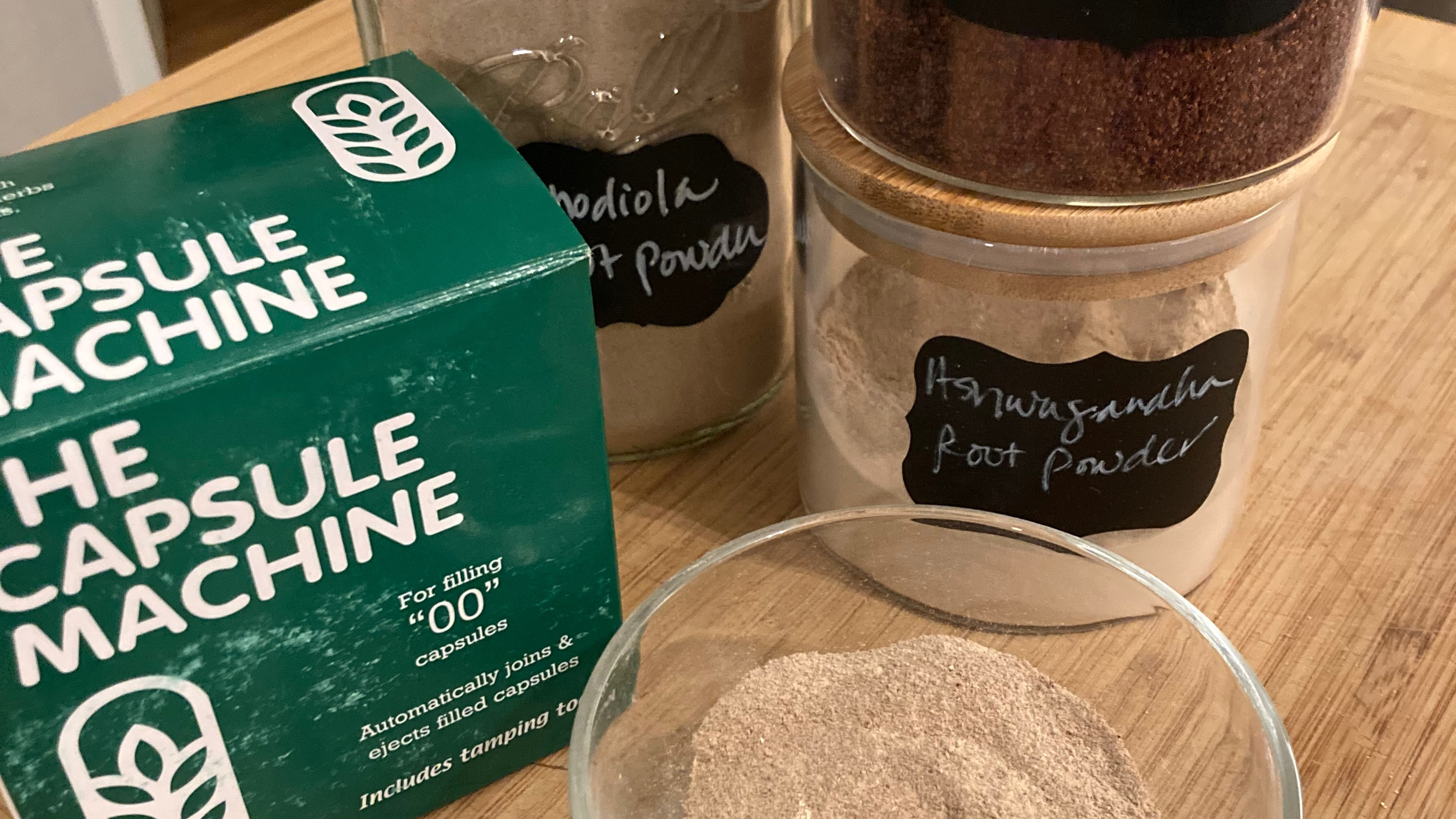
image of capsule machine, mixed ashwagandha, shisandra berry and rhodiola root

There are many adaptogens out there – these are just three that have become popular and have long histories of use.

While you can buy adaptogens in capsules and gummies at pharmacies, it’s not hard to make capsules. This capsule machine and gelatin capsules are readily available to buy online and you can buy powdered herbs from ethical suppliers like Mountain Rose Herbs online.

Wishing you flow, peace, and fun during these lengthening winter days.
Leave a comment

Filed under Herbs and Healing, Uncategorized

On Cholesterol, or No One Really Likes Statins Do They?

Over the years it seems like I’ve heard about cholesterol continually. My first husband was always avoiding eggs and butter because cholesterol ran in his family, and my current husband Jon is locked in mortal battle with the matter of whether to take statins, which give him muscle weakness.

Historically I’ve avoided medical literature because … well, it’s pretty dry. Recently, though, I sat down and read about cholesterol because I want to help Jon deal with it. I’m an herbalist and feel confident that if I help him modify his diet and supplement with supportive herbs and relevant lifestyle changes we can ward off his doctor’s requests that he take statins. The proof will be in the pudding of his next cholesterol screening, but in the meantime we’re on this train. 

So, here’s what I learned about cholesterol, which turns out to have an actual purpose in our bodies:

“Stress, toxins, alcohol, and many other substances create free radicals in the body by catabolizing (breaking down) oxygen molecules into reactive oxygen species, which are single atoms of oxygen that have extra “unpaired” electrons.  These “excited” electrons cleave onto other electrons in body tissues and walls of arteries, creating micro-wounds.  This is the same process that causes metal to rust – aka oxidation…

… In order to repair damaged tissue, hormones signal the liver to release cholesterol, which is a life-saving endogenous antioxidant.  Cholesterol repairs the wound. But when this type of oxidation is continual, day in and day out, the excessive wounding creates an immune response, which generates more tissue irritability and more cholesterol, and that builds up into plaque…

Paradoxically, “… the discovery of cholesterol plaque build up in arteries led to a misconception that high cholesterol is a cause of heart disease.  In fact, one cause of heart disease is the inflammation that triggers the release of cholesterol…”  (Maier, from Energetic Herbalism)

So, cholesterol serves a function in the body – it tries to protect the heart. And, heat and inflammation are healed by cholesterol.  We are treating elevated cholesterol levels with statins, but we aren’t treating heat and inflammation with them. So we’re treating a symptom, not the cause of the problem.

… And statins can cause liver damage and the breakdown of muscle tissue.  Maier says it is important to check liver function every 3-6 months when taking statins.  I’ll ask if liver function tests have come up during Jon’s odyssey with statins – he hasn’t mentioned it.

So what are the recommendations for lowering cholesterol production/reduction of inflammation and heat of oxidation?

  • Lower Sugar Intake – sugar causes cell to make its own cholesterol, which isn’t taken up and contributes to ldl levels.   (it’s such a bummer about sugar. it’s so tasty)
  • Consume antioxidants: red, blue, and purple berries, including aronia berries, blueberries, pomegranates, elderberries, and dark green vegetables
  • Sedative sour herbs: sumac (Rhus spp) and hibiscus help clear inflammation, also Roselle (H. Sabdariffa) has antioxidant effects, esp related to cholesterol.
  • 1 clove of garlic daily 
  • 25 g of oatbran on breakfast cereal
  • 1-2 tsp of oolong (especially Pu erh tea/day  (from Ody, Complete Medicinal Herbal)
  • Oyster mushrooms seem to have a cholesterol-lowering affect: https://www.sciencedirect.com/science/article/abs/pii/S1756464610000630)

Some other interesting things to know about cholesterol and how it functions in your body:

  • Production of sex hormones, adrenal hormones including cortisol, corticosterone, and aldosterone
  • Production of bile
  • Necessary for production of vitamin D in the body
  • Important for the metabolism of fat-soluble vitamins
  • Insulating material for nerve fibers
  • Regulation of serotonin
  • Maintenance of cell membrane permeability
  • Essential role in preservation of memory

And about Red yeast rice extract - it is made from fermentation of rice with Monascus purpureus yeast.  This is the substance statin drugs have been produced from and is as effective as statins but takes longer (~6 months) to have an effect on cholesterol levels and must be taken with CoQ10.  CoQ10 is a hormone (called ubiquonone) which is found in every cell of the body and is stored in the mitochondria (organelles that power our cells). It also acts as an antioxidant.  Statins cause so much damage because they severely diminish natural production of CoQ10.  Red yeast rice does, too, but at a much lower rate. 

It’s important to know that red yeast rices is a symptomatic treatment in that is lowers cholesterol levels but is does not treat inflammation, which is the cause of the elevated cholesterol production.  (above from Maier, Energetic Herbalism)

Leave a comment

Filed under Uncategorized

How to Make a Burn (or all-purpose) Salve

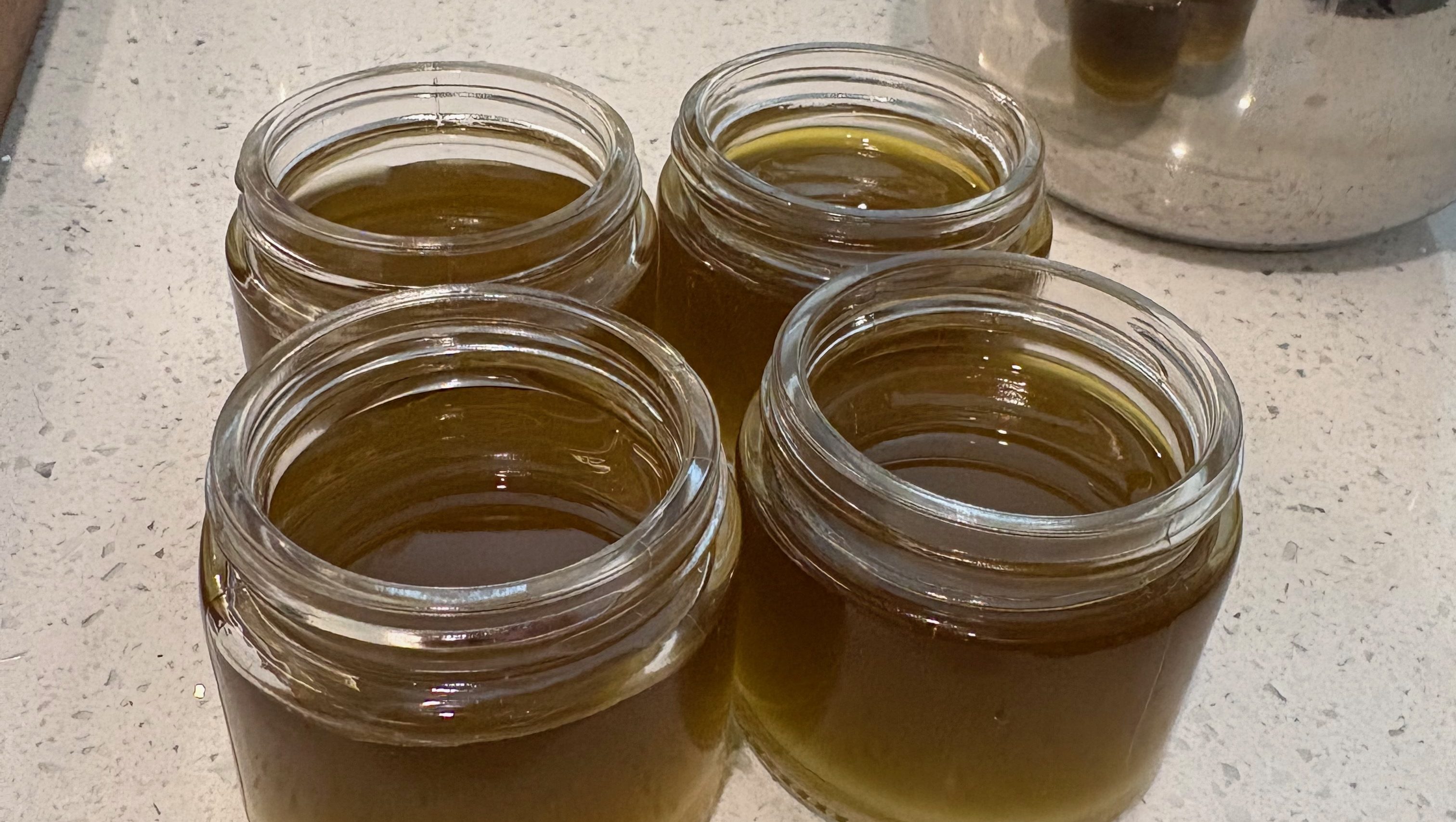
4 jars of still-hot liquid salve on a counter
Freshly made salve cooling on the counter

One night this week I decided to roast some honeynut squash for dinner. We store our cast iron pans in the stove sometimes, and that night that was where they were. Jon started the oven and sometime later we realized the pans were in the oven heating up, so we removed them with hot mitts and went back to slicing squash, listening to Ike Quebec (jazz) and enjoying a glass of red wine.

Predictably, moments later I reached to move the pans aside and, touching the pan handle, burned myself. Sizzle – ouch!

I remembered immediately that this summer during my course in herbalism I made all-purpose (aka burn) salve, and reached into the cabinet for it. After a few minutes of rubbing the salve into my burned skin my hand felt miraculously better.

To be honest I was surprised.

I knew the salve would have healing properties, I knew the the scarring I usually have on my hands after burning myself in the kitchen would likely be far less angry and noticeable. But I didn’t expect that the salve would stop the pain. I was astonished that it did. By the time we sat down to dinner I didn’t have any pain.

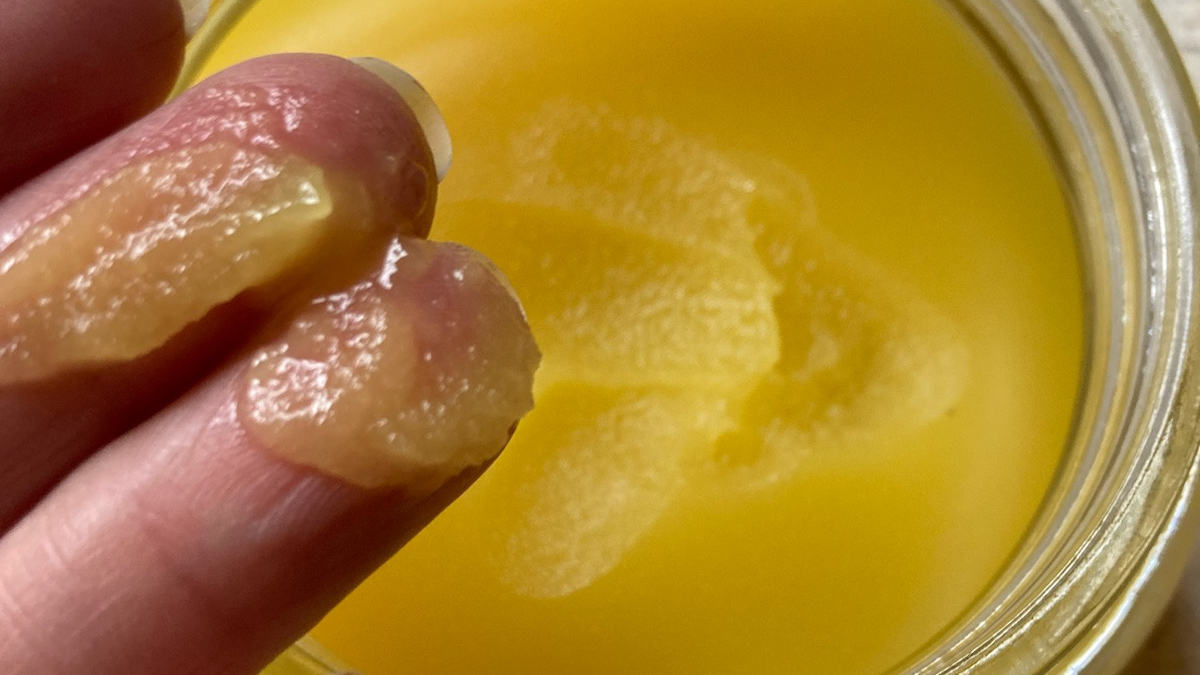
the salve consistency shown in jar and on fingers

Rosemary Gladstar, who shared this recipe in an herbalism class I took this year, says that this salve is an all-purpose salve and can be used for rashes, cuts, wounds, even diaper rashes. I made it for myself as a burn salve – I knew it would come in handy.

In the past I have tried other burn remedies from the pharmacy — cooling sprays, antibiotic pain relieving creams … and of course running burnt skin under cold water. Always I’m left with a day or two of burning pain and a blister or mark that lasts days or weeks. Not this time.

I did run some cold water over the burn immediately, and only for a moment, before applying the salve, but the salve made all the difference. So I want to share how to make it for other cooks who, like me, sometimes burn themselves in the kitchen, or for anyone that’s looking for an honest and effective skin salve. Enjoy!

Rosemary Gladstar’s All-Purpose (aka Burn) Salve recipe

1 part st. john’s wort leaf and flower

1 part comfrey leaf

1 part calendula flowers

olive oil (or sunflower oil)

beeswax

Step 1: Place each of the herbs in a glass jar and cover with 1-2 inches of oil. Place in a sunny window and let infuse for 2-3 weeks (I left mine a little longer). Strain and rebottle. label and date.

To make the salve strain the oil. For each cup of herbal oil add 1/4 cup beeswax. heat the oil and beeswax together over very low heat to melt the beeswax. The beeswax will thicken as it cools.

To check for firmness do a quick consistency test: place 1 tablesppon of the mixture in the freeze for a minute or two. check to be sure its the firmness you want. For harder salve, add more beeswax, for softer salve, add more oil.

When you are happy with the consistency of the salve remove from heat and pour into glass jars or tins. Store in a cool dry place.

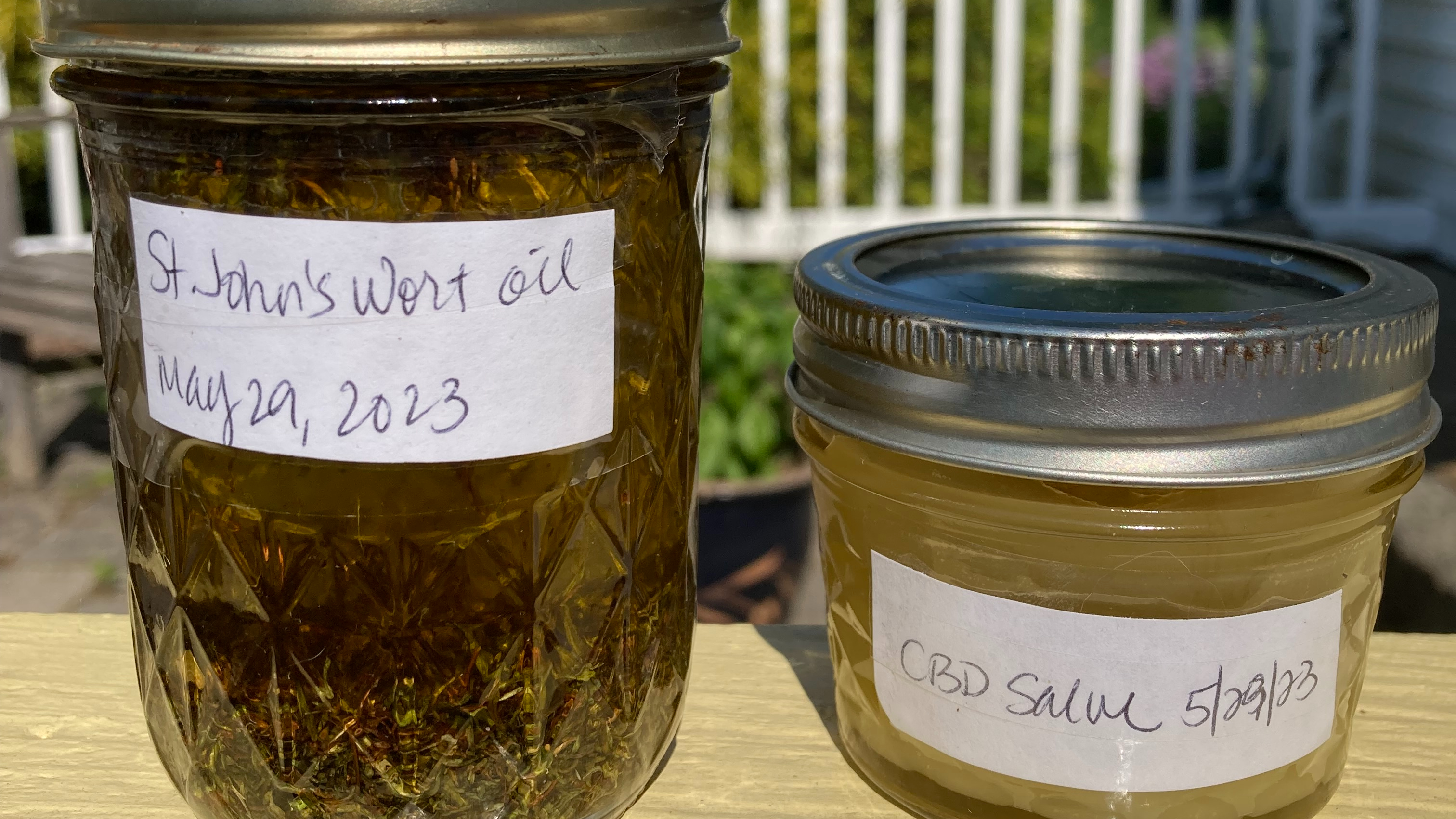
freshly jarred st johns wort oil and cbd salve

Please feel free to send me any questions you have about the salve or the process of making it!

Leave a comment

Filed under Uncategorized