
Category Archives: herbal medicine

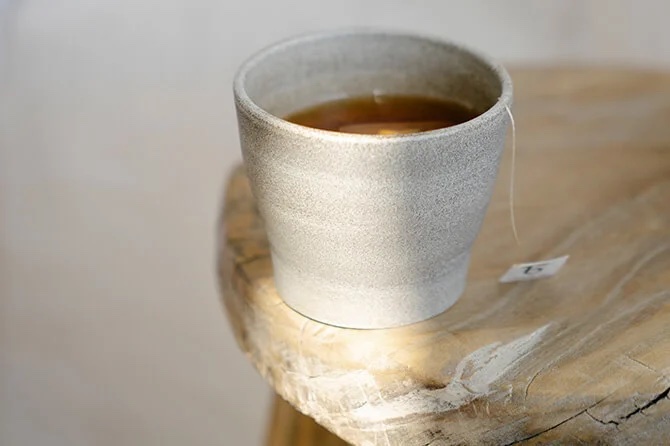
Gut Tea For a Happier Gut and a Happier You

Gut health influences so much beyond digestion – energy, mood, immunity, brain function …. I’d go as far as saying it affects and feeds our vital force. We’ve all heard this, but so often we don’t really know how to support our gut outside of taking a supplement for our microbiome and digestive health.

Some days our gut just isn’t feeling its best. Despite that, we go on with our day, our work, school … meeting our responsibilities. In this blog I’d like to suggest gut healing tea as an opportunity to care for ourselves while continuing to soldier on, if that’s what we choose to do.

A tea that’s formulated for gut health can taste great. Ginger, fennel, peppermint … all delicious and easy to find. You can add honey, too, if you like your tea sweet. These herbs, along with others, can also be healing to the gut, support digestion, reduce inflammatory states, stimulate digestive secretion, relax and ease anxiety, support the lymphatic system, soothe and protect irritated or inflamed tissue in the stomach and gut, and even tone and strenthen the stomach. It’s a long list of benefits, isn’t it?

Some of my favorite herbs for a gut health tea follow below, with notes about their benefits. This is not an exhaustive list, the idea is that you can blend your own tea if you want to. Or just buy a fabulous blend from an organic tea maker with some of these herbs in it!

Chamomile –(Matricaria recutita) flower–warming and relaxing (nervous system and lower part of the digestive track), discourages nausea.

Catnip (Nepata cataria) warming and relaxing (nervous system  and upper digestive track; also antacid (helps with heartburn)

Ginger root – (Zingiber officinale) –antispasmodic, discourages nausea, warming and relaxing

Plantain leaf – (Plantago major) healing to the gut

Calendula (Calendula officinalis)- healing, also supports the lymphatic system

Peppermint (Mentha piperita) leaf, carminative, discourages nausea

Fennel (Foeniculum vulgare) seed, supports digestions, helps dispel gas, antispasmodic, antacid, anti-inflammatory. 

Meadowsweet (Filipendula ulmaria) Anti-infammatory, supports digestions, helps dispel gas, antacid, astringent. 

Marshmallow Root (Althaea officinalis) – soothing to the gut, anti-inflammatory. 

or Licorice (Glycyrrhizza glabra), soothing to the gut, tones the stomach, sweetening, harmonizes your tea blend. Helps with digestive dryness, irritation, ulcers.  [Can use up to ¼-⅓ part Licorice root in your tea.  Note Licorice increases aldosterone,which can raise blood pressure, so not recommended for those with hypertension.]

Leave a comment

Filed under herbal medicine, Herbs and Healing, Uncategorized

From High Blood Pressure to Peace: Healing with Herbal Remedies

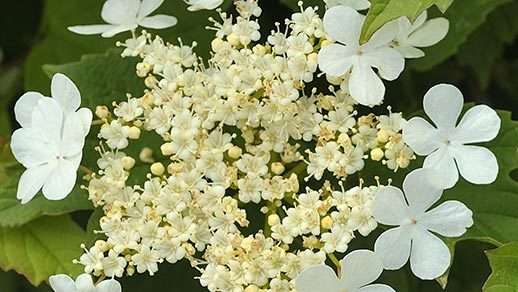
viburnum opulus in flower
the flowers of cramp bark

Some years ago during my time as the Digital Program Manager for the New England Journal of Medicine, I developed hypertension. I was genuinely surprised; I’d had low blood pressure most of my adult life.

In retrospect there was a clue; my predecessor had been gifted a blood pressure cuff by our General Manager at her going away party. Why should I have been any different?

My physician, a wonderful, deeply practical and very knowledgeable internist, advised me my diastolic pressure was dangerously high and had to be attended to. But I didn’t want to take pharmaceutical blood pressure medicine. So we agreed I could try exercise and meditation first and return for a blood pressure check soon.

When I returned my blood pressure was not reduced. It proved to be a tenacious condition. I was busy at work, and agreed to monitor my blood pressure daily and take the meds. I did this, meditating regularly, which did help. But I maintained a high stress level despite efforts to manage it, and my blood pressure remained high, too.

Eventually I left the job, taking another job in program management. My blood pressure remained a problem throughout, no matter how much I exercised, meditated, and ate foods that supported me.

The meditation helped and I got to a new place in understanding what was happening in my mind – very powerful. But my daily life and internal dialogue were still driving my blood pressure. I think meditating more would have ultimately helped bring it down reliably, but I have not disciplined myself to a practice that regular and deep, yet.

So, finally the game-changer was an herbal formula I found in David Hoffman’s book “Medical Herbalism.” Not just the motherwort, the hawthorne, the linden, the skullcap — all very helpful and they do affect my pressure positively — but the addition of crampbark to the formula was the magic. My diastolic blood pressure finally came down into the 70s.

And I feel that the crampbark has affected my thinking and my stress level, too. I can calm my stress reaction much more effectively now that I’m working with it. Somehow it’s shifted my relationship with the narrative that causes the pressure, in the same way a conversation with a wise elder brings fresh understanding.

It’s hard to describe the relief I felt when the monitor started to show me acceptable numbers without taking the lisinipril. Peace. Freedom. Deep deep relief.

peace sign carved into the sand on a beach at low tide, sunset.
Peace created.

Everyone’s different and most people struggle with their systolic, rather than their diastolic pressure. What works for me might not work for others – perhaps unsurprisingly there are several formulas in Hoffman’s book that address blood pressure associated with a range of conditions; dealing with the root cause is always the aim and Hoffman’s formulas make clear that there are several plants that can work together to address hypertension in an individualized way.

And interestingly, if you monitor your blood pressure it’s not hard to see how it responds to your medication and your state of mind -experimentation is not hard.

Leave a comment

Filed under herbal medicine