Category Archives: Uncategorized

Mixing and Matching for Happier Gardens – and Gardeners!

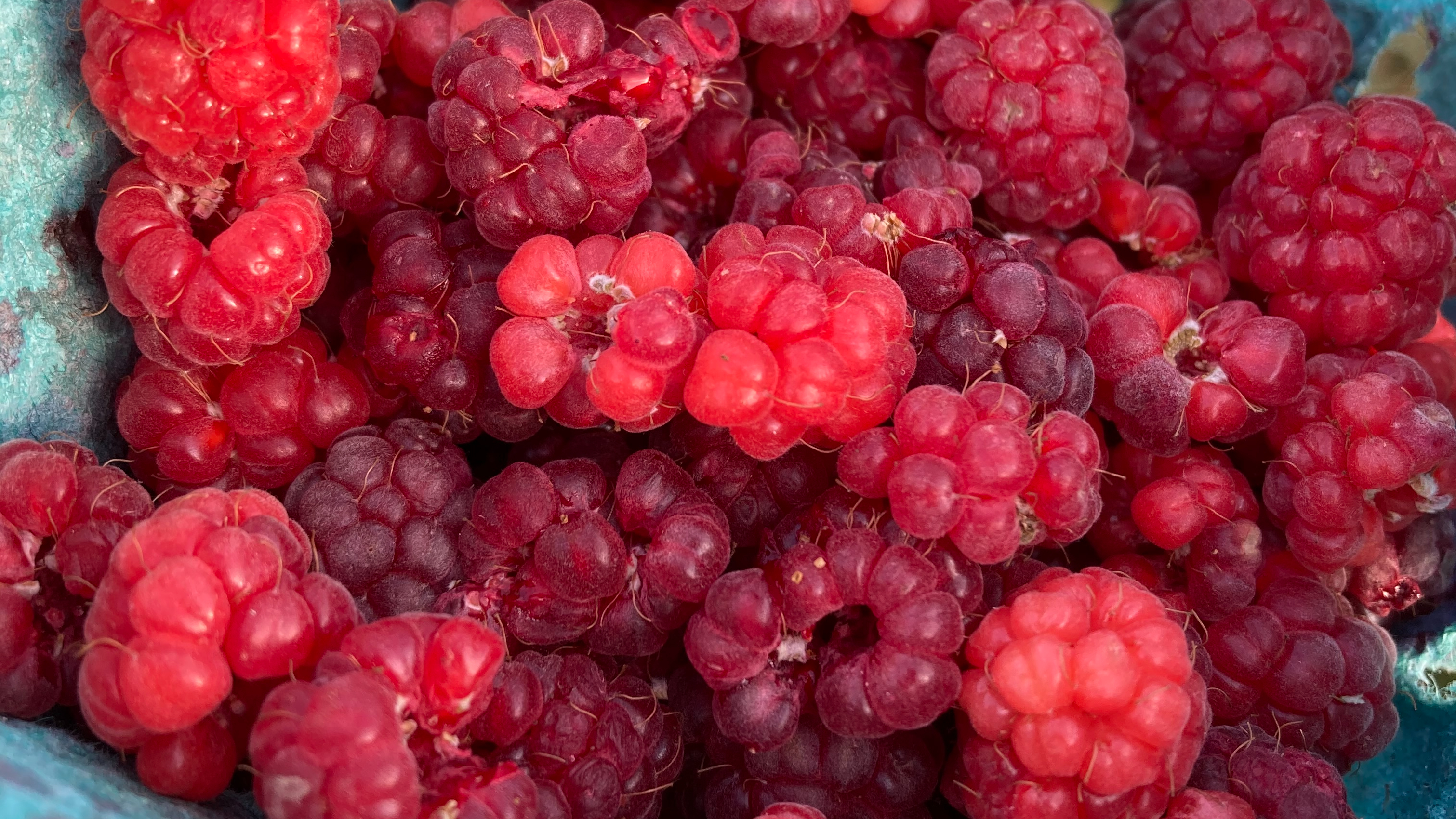
Sometimes we have to share. When you plan to share, that’s okay. It’s a little tougher to handle sharing when you aren’t expecting to, though. For instance, when I buy an ice cream cone I’m not thinking I’ll have to share it. It’s pretty great to have a whole ice cream cone all for yourself, it’s less great if you have to share it. The same thing is true for some garden goodies. I know the birds will share my raspberries. I expect it so I let the raspberries get a little bushier in order to have enough for the humans and the birds.

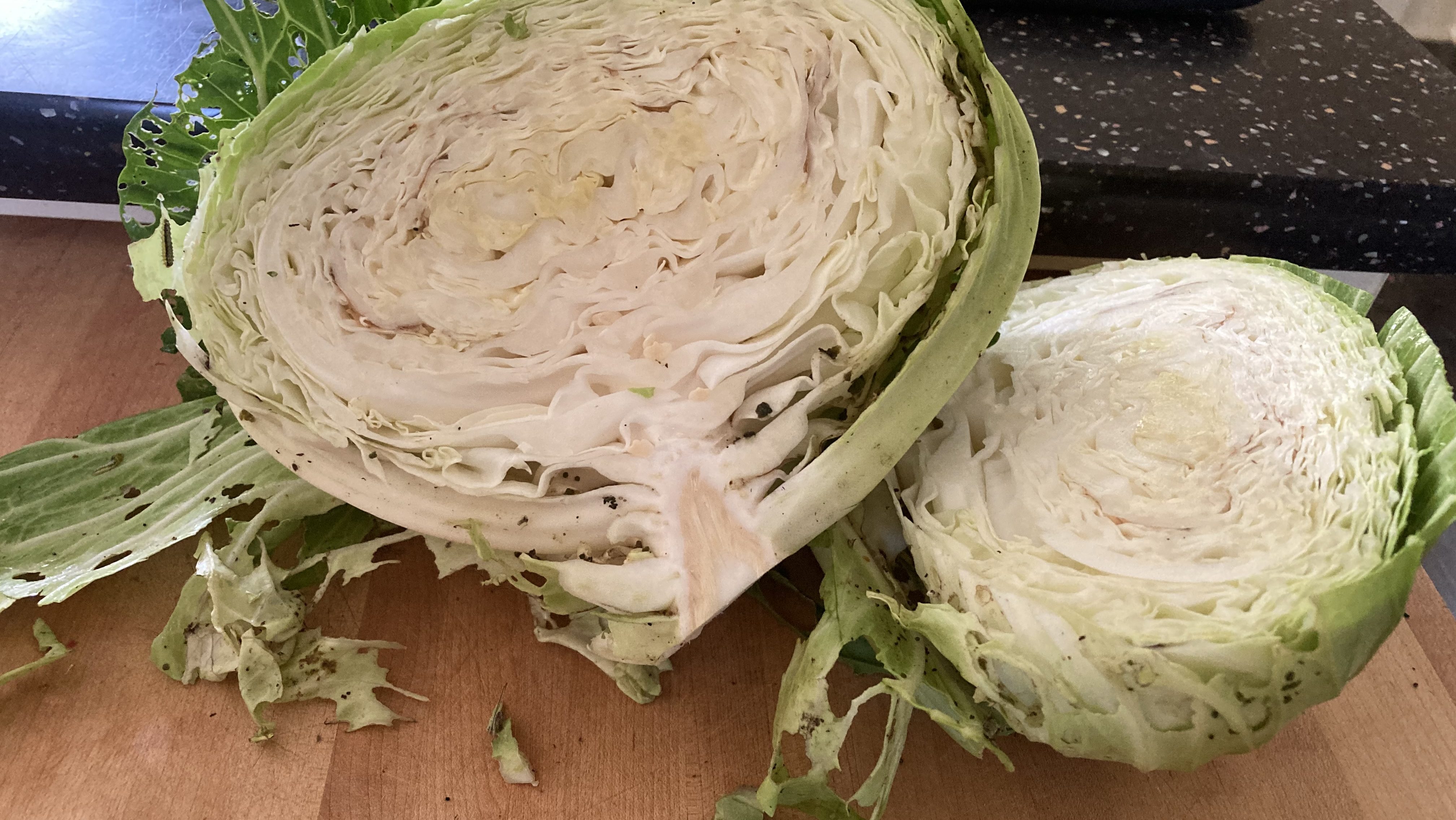
A different case is cabbage. One year I planted cabbage (my first and only attempt to date), which grew into beautiful gorgeous light green cabbage heads. When I picked them and cut into them they had already been claimed by some sort of cabbage worm. Such a drag, I was so excited to harvest my very own cabbage and NOT excited to share.

cabbage with some worm holes visible
cabbage that the worms got to before I did

Writing about it reminds me of a lady I know that planted a beautiful set of raised beds in her backyard one year. She had 6 tall beds and many beautiful ornamental gardens all around her home. They were so impressive and beautifully tended that she opened them for a garden tour one year. On the night before the tour a family of groundhogs found her vegetable garden and absolutely razed every single plant in her boxes down to their nubbins. Completely down to the dirt.

When we garden tourists arrived to her home the next day we were all confused – why did she have all of those empty boxes in her backyard? Oh, well, we said. The rest of the gardens were glorious! …

Well, yeah. Groundhogs like tomatoes, too, it turns out.

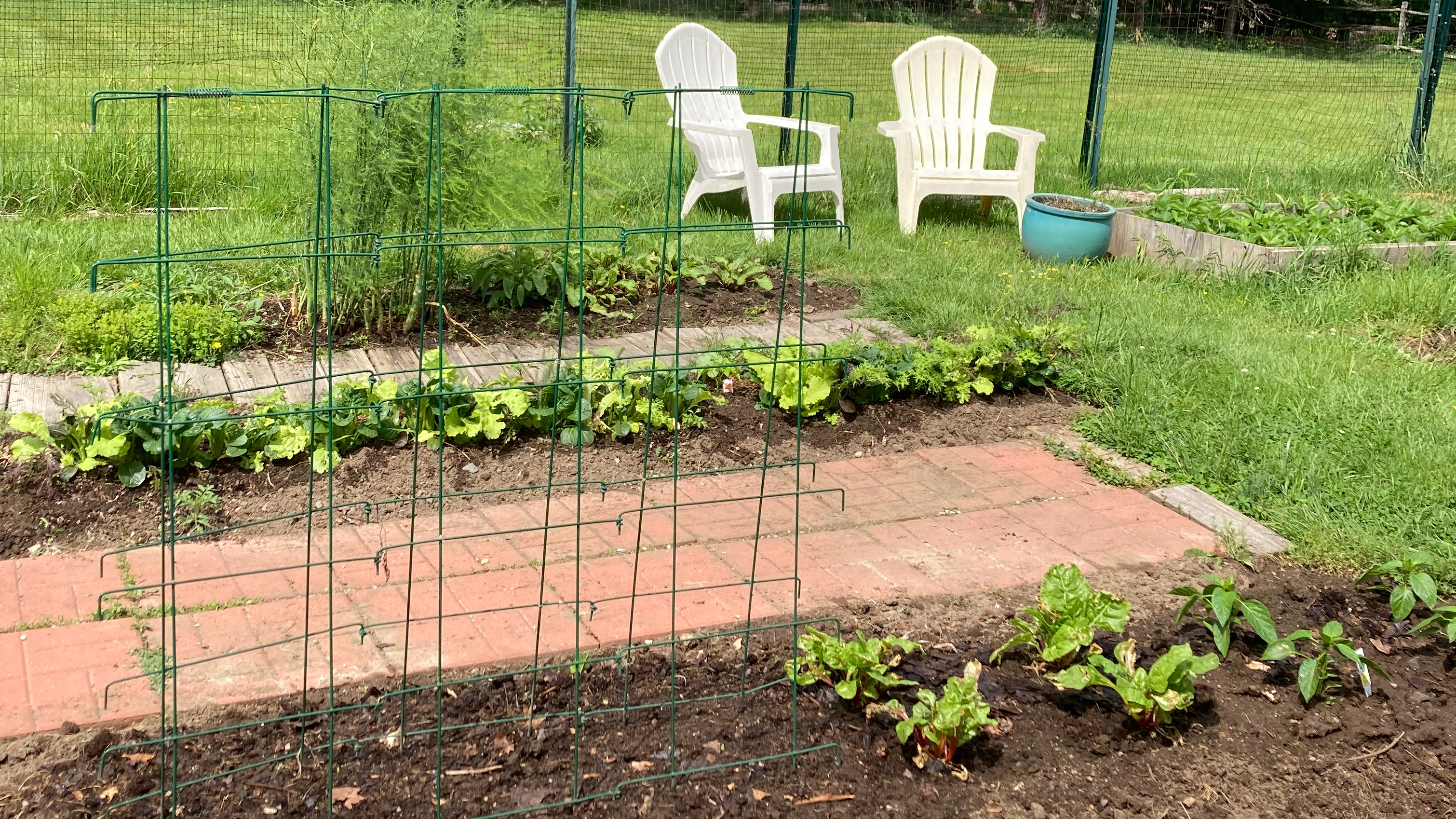
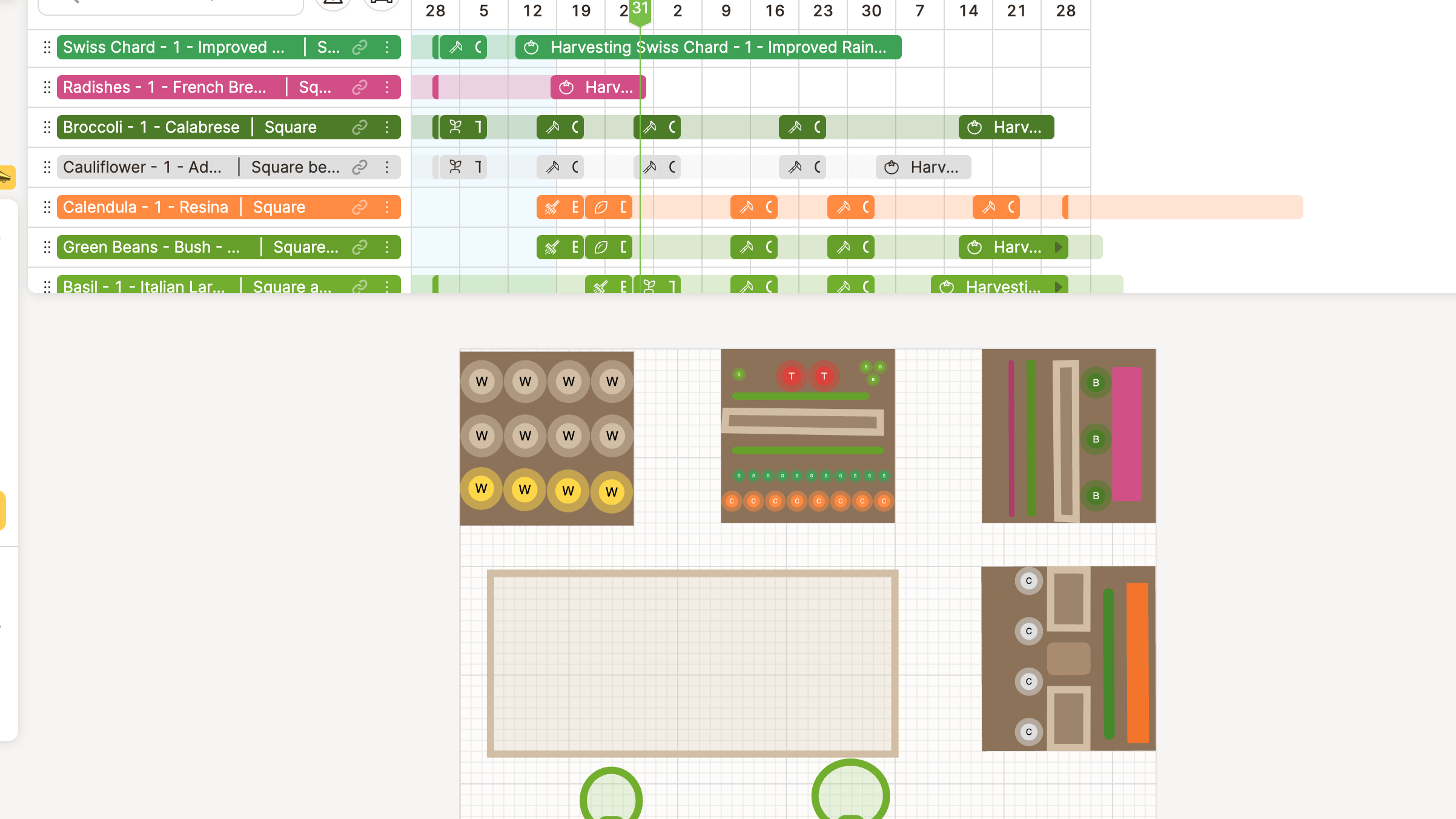
I am not sure whether we have groundhogs here… I’ll find out this year I’m sure. In the meantime, though, I’ll be planning my tomato patch with basil to repel flies and hornworms. Rosemary with carrots and green beans to repel root flies and bean beetles, and thyme near my peppers to repel spider mites and white flies… in years past I’ve put some herbs into the vegetable garden but mostly I had an herb garden near the kitchen and veggies out back on a bigger site. I’m changing that now. The kitchen garden will have herbs, flowers and vegetables mixed in together. 

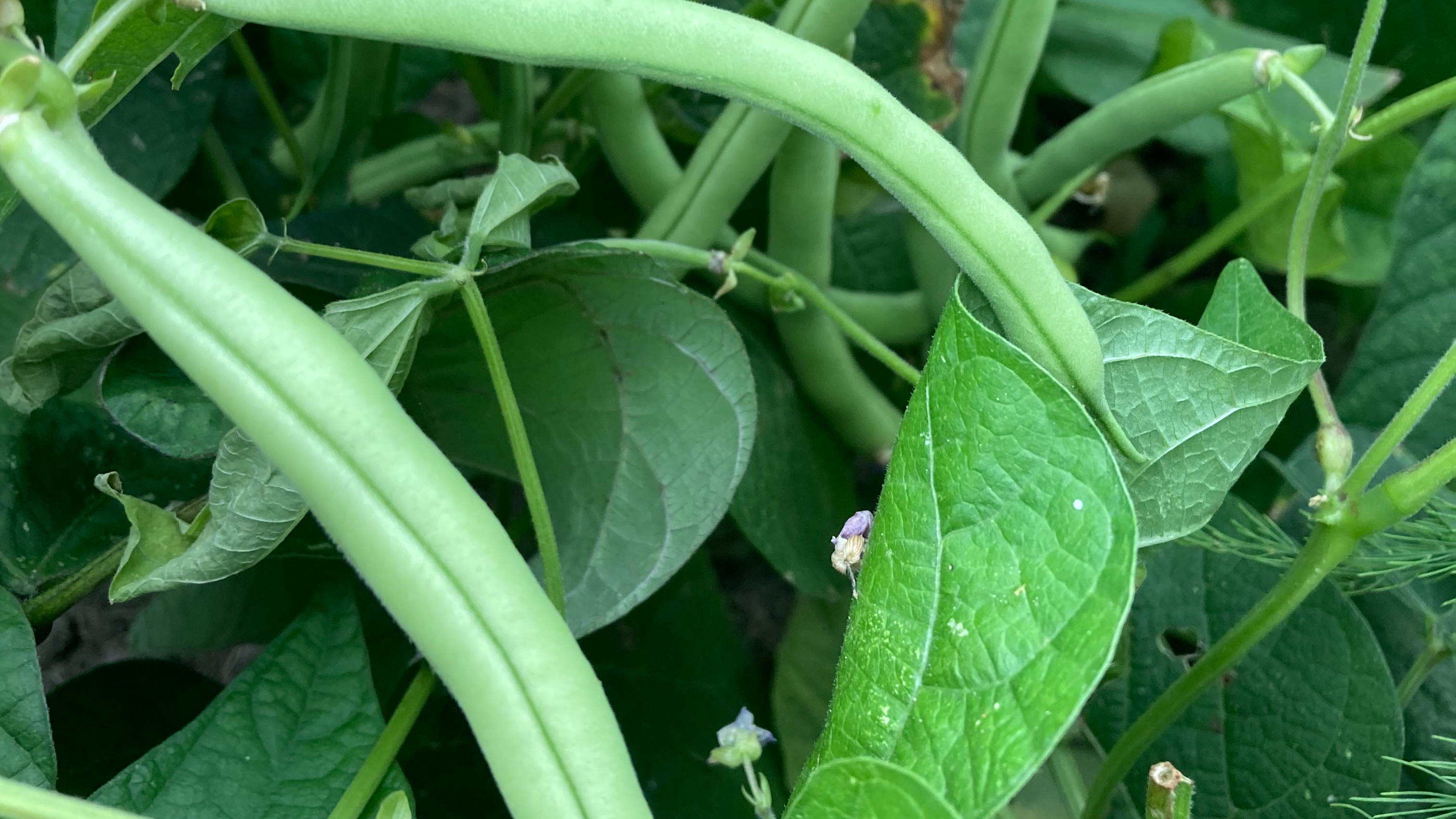
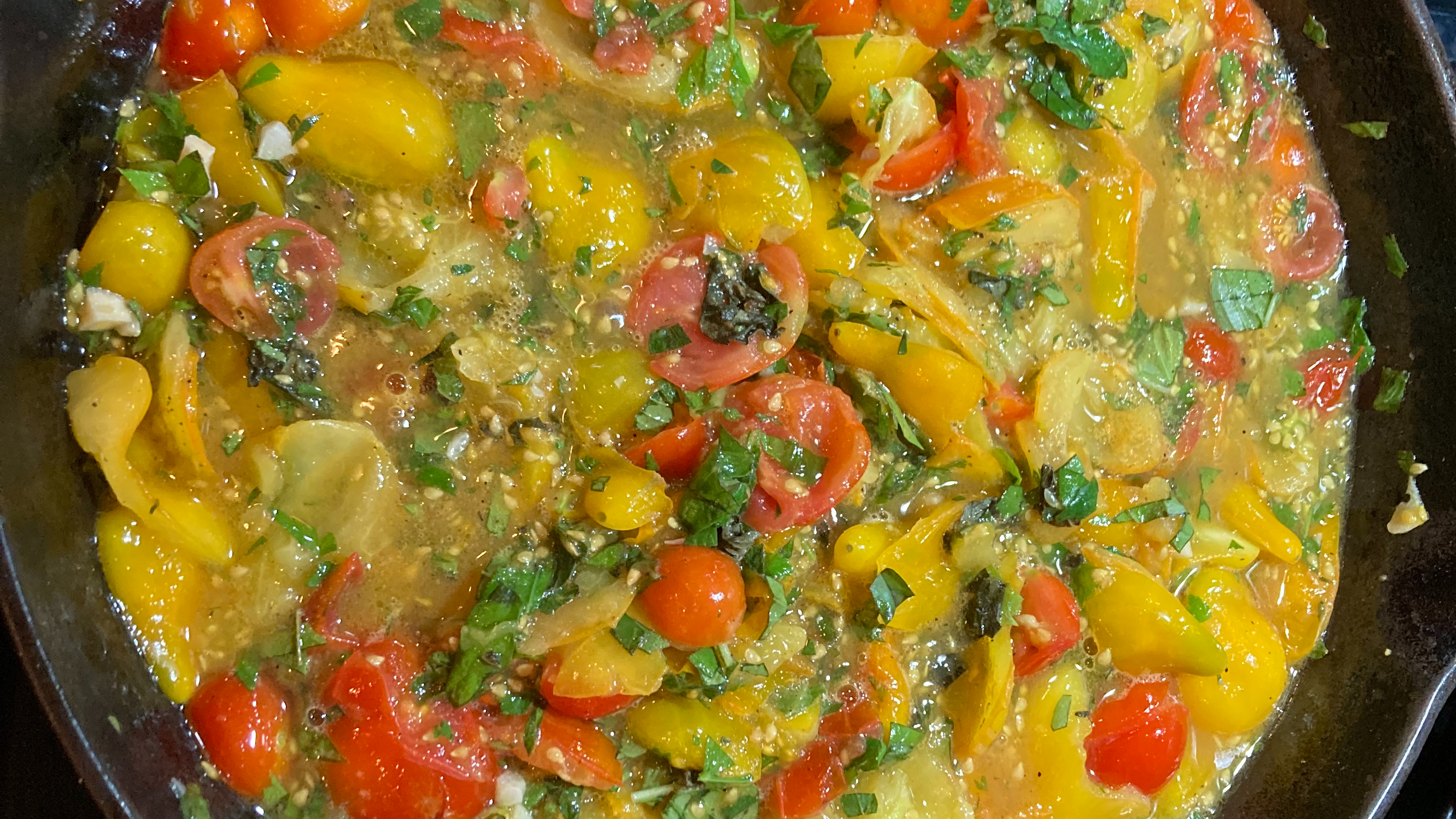
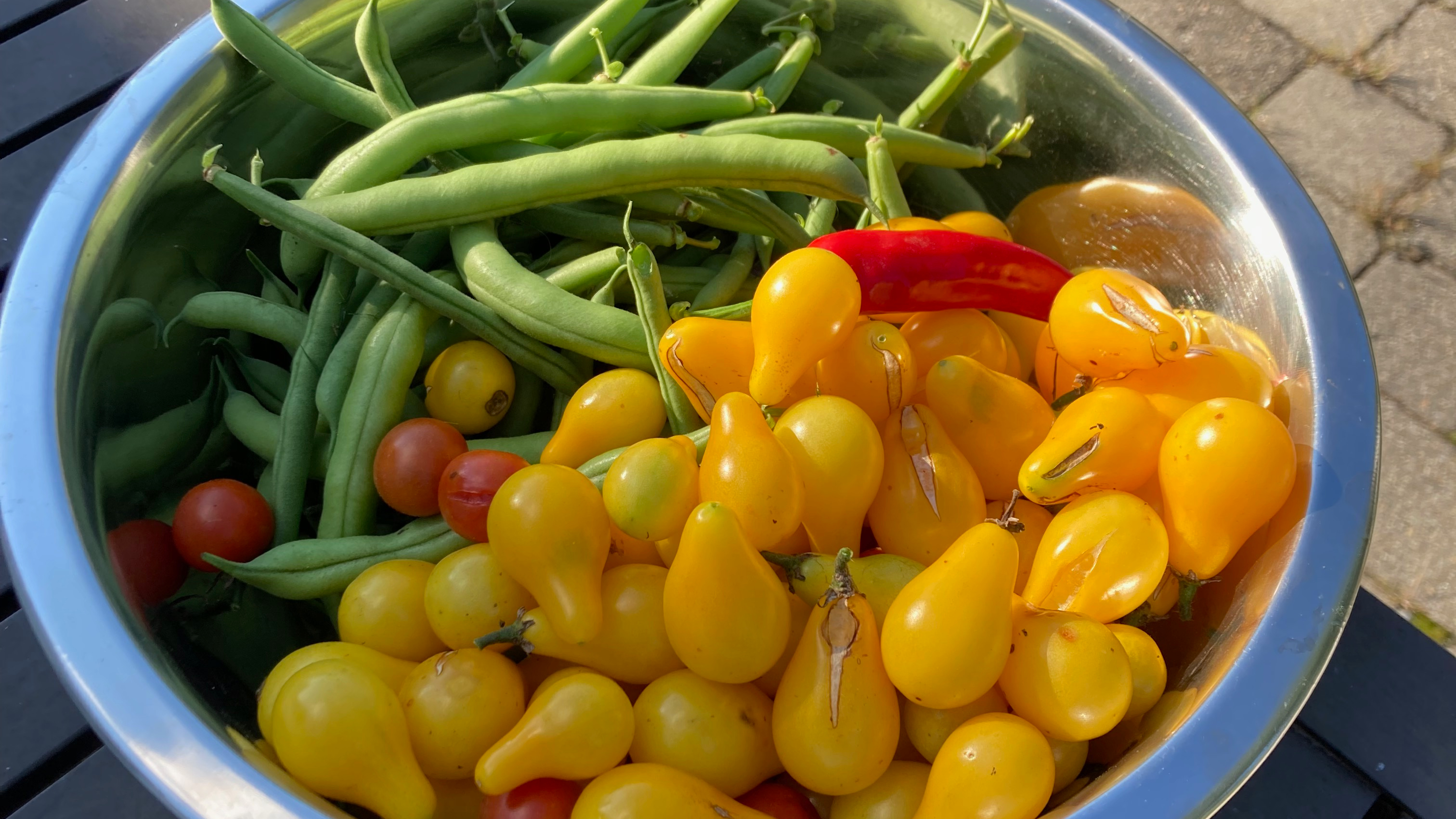
yellow pear tomatoes, green beans, peppers in a bowl
yellow pear tomatoes, green beans and peppers from the garden

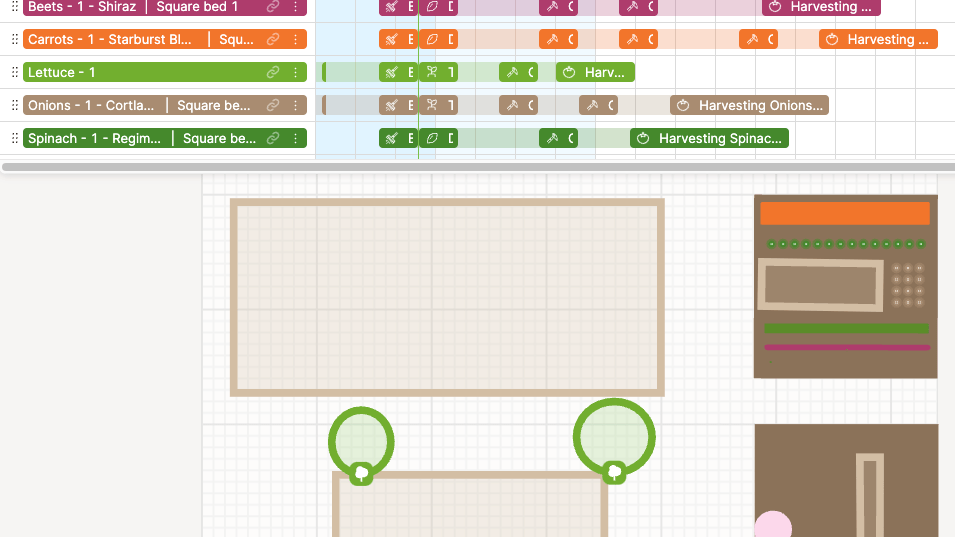
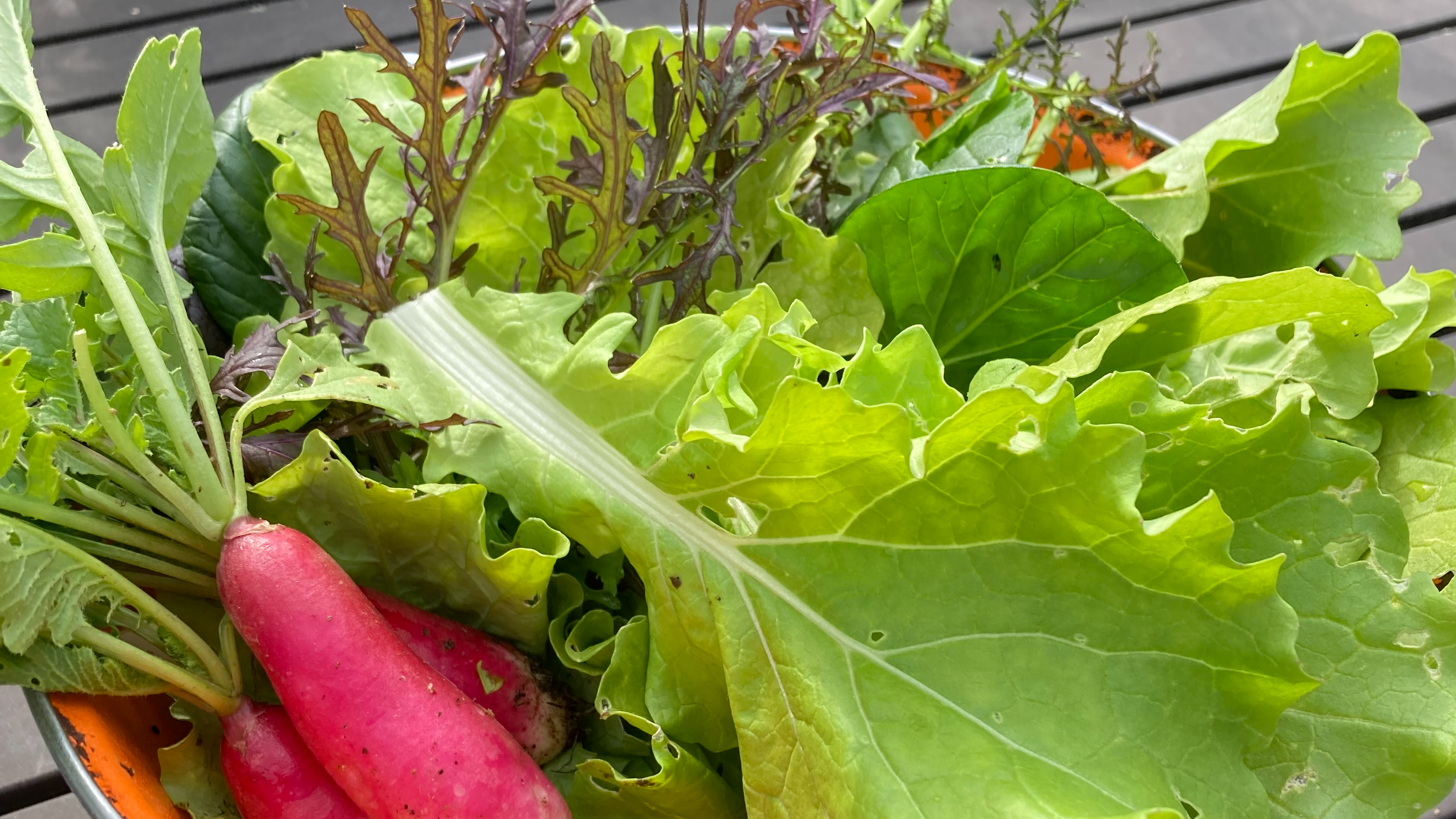
Tomatoes with basil and marigolds, broccoli with beets and chamomile, radishes with spinach, lettuce, calendula, and beans, cauliflower with garlic, onions and chives … I’m getting hungry just thinking about it!

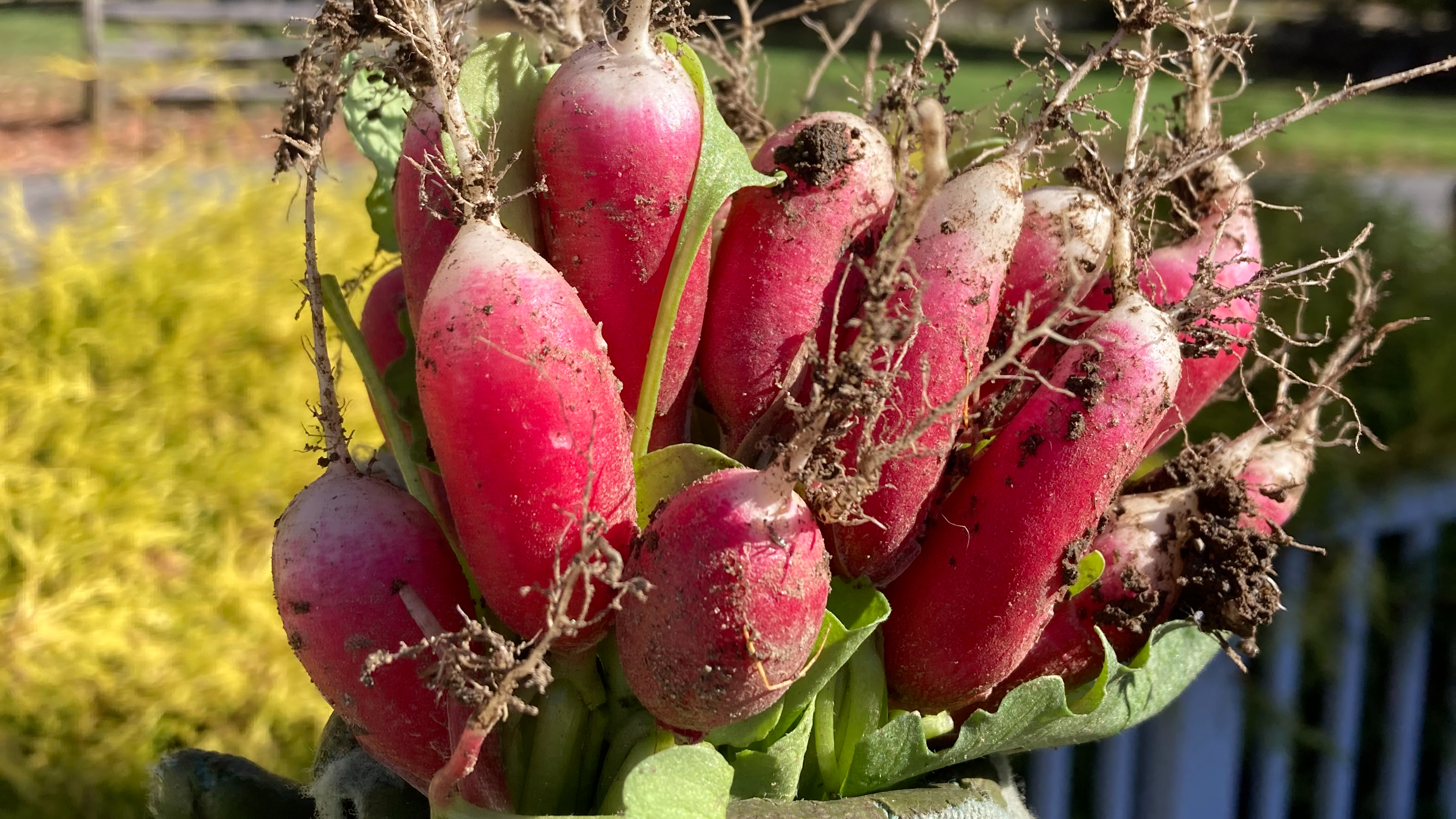
radishes and lettuc etogether
radishes and lettuce grow well together

Leave a comment

Filed under Uncategorized

New Beginning, New Kitchen Garden

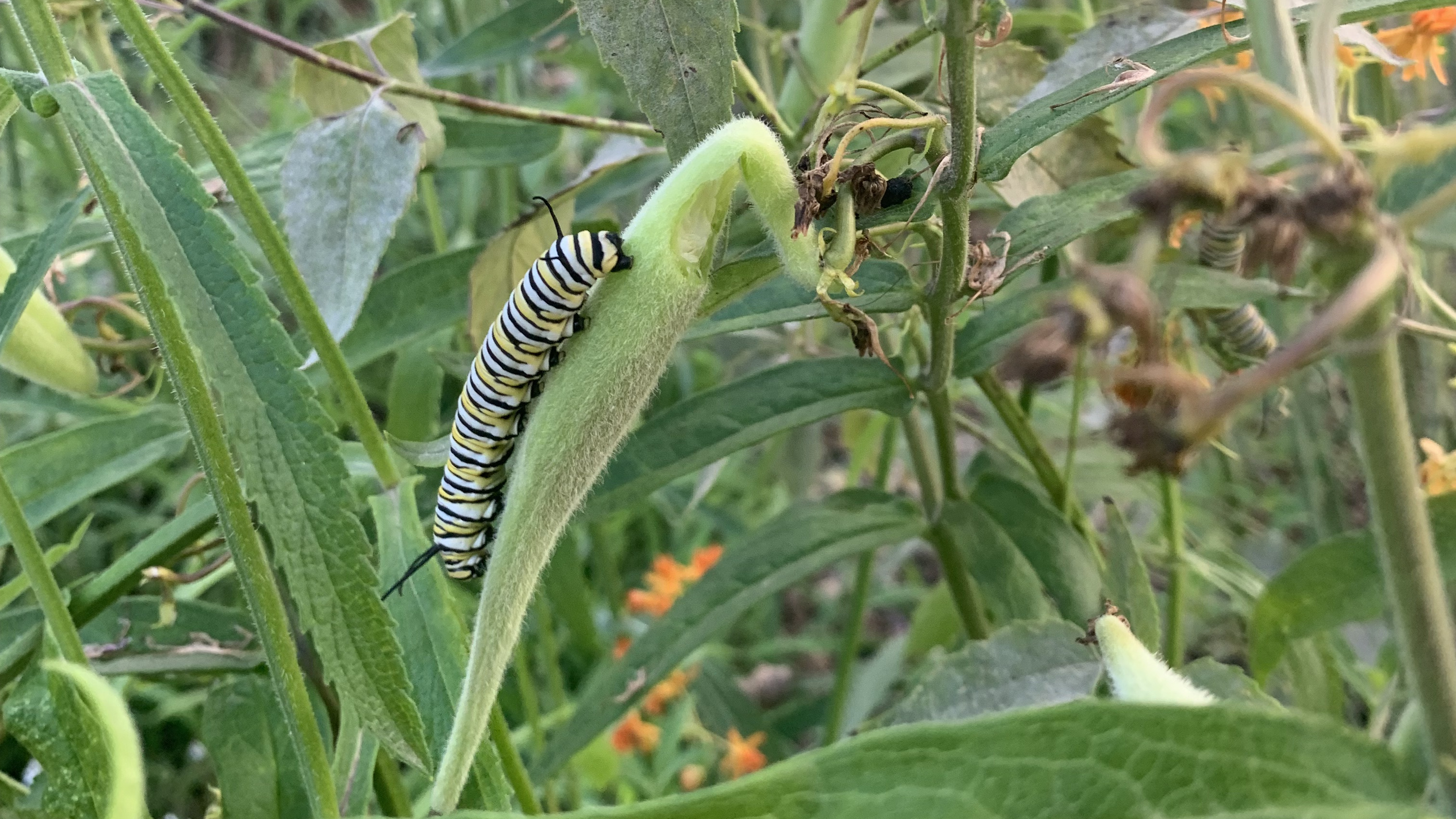
monarch caterpillar on asclepius pod
Monarch Caterpillar on Asclepius pod in our herb garden

We’ve moved house. Aside from adapting to a new place and new people, I’m adapting to new land, new trees, new plants, and … a blank-ish slate. The people that lived here before weren’t gardeners, so aside from some unhappy grass and some mature perennial plantings that include hydrangeas (it being the cape and all), it’s a brand new start.

Since it’s seed catalog time and it’s too cold to be outside in the garden, my obvious move is to start planning the kitchen garden. Oh, yeah! Culinary and medicinal herbs, flowers and vegetables.

There were some key things about the herb garden at the farm:

  • I could walk barefoot out my kitchen door on a stone walkway to cut herbs for dinner.  Pure bliss.
  • It faced east, which meant it got great morning sun and much of the garden didn’t bake in the late afternoon summer sun. The bits that did get that sun where home to things like chamomile, lavender, verbena, hyssop, zinnia, monarda, yarrow … plant spirits that were happy with that setting.
  • There was a window from the kitchen onto the garden, so I had a good view of butterflies, hummingbirds, yellow finches, dragon flies, and other gorgeous pollinators and birds that hung out in the garden

There’s nothing like looking out the window and being confronted by a humming bird staring back at you or a praying mantis perched on the window frame. It’s like living in a charmed movie.

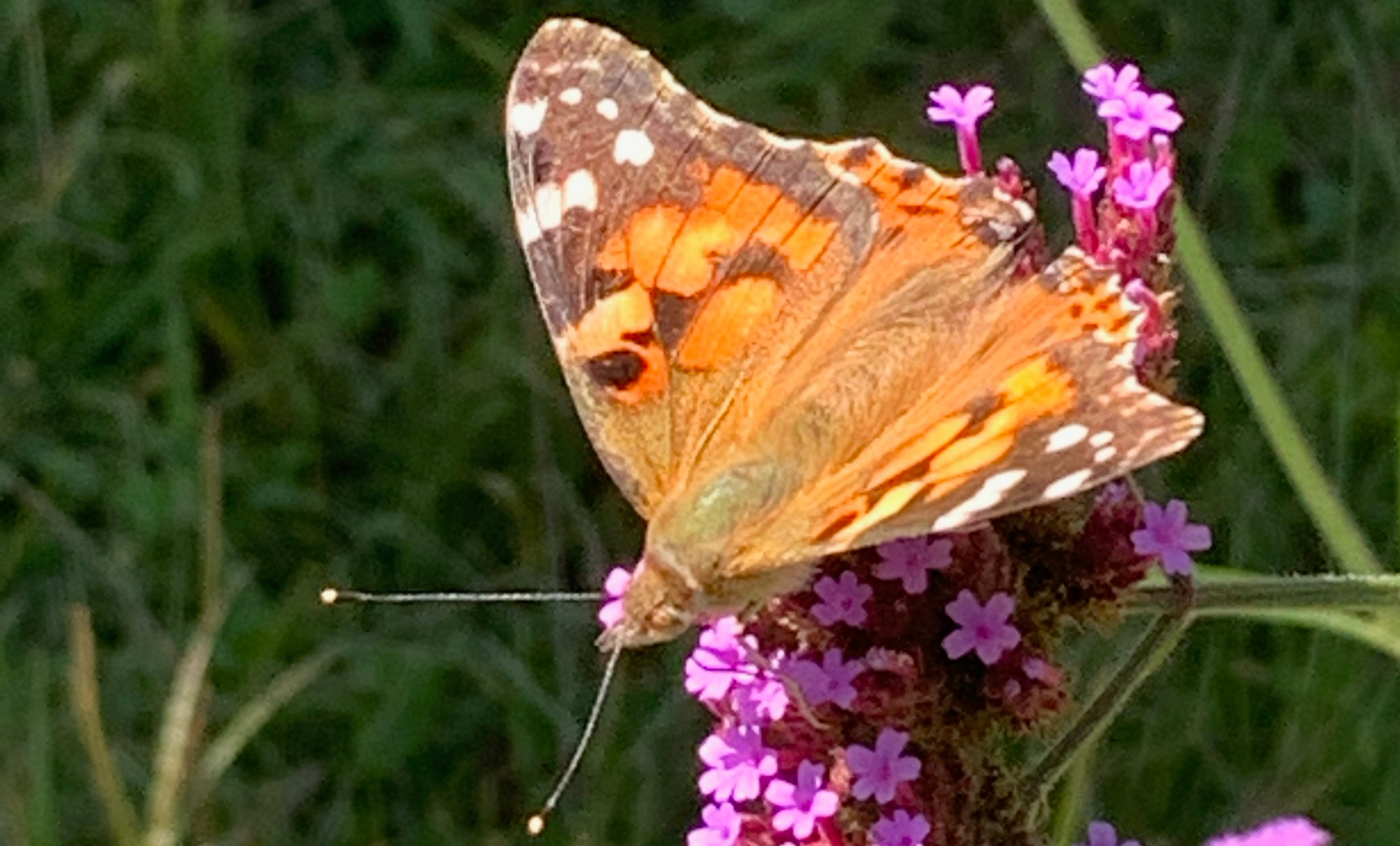
monarch on verbena flower

So I’m choosing a spot next to the back yard slider from the kitchen area. An east facing area isn’t available without removing trees, so I’ll have to make a spot that’s south west of the kitchen work, and I’ll ask our carpenter, Norm, to make stairs on that side of the deck so that I can walk directly to the garden … barefoot! 

tax map of property in Falmouth MA
tax map of our new house with a box where our new herb garden is going to be

Other things to prep – the soil here is full of clay and sand, which will mean compost, and lots of it, some stepping stones from a local landscape store, and a clear calendar starting in April.

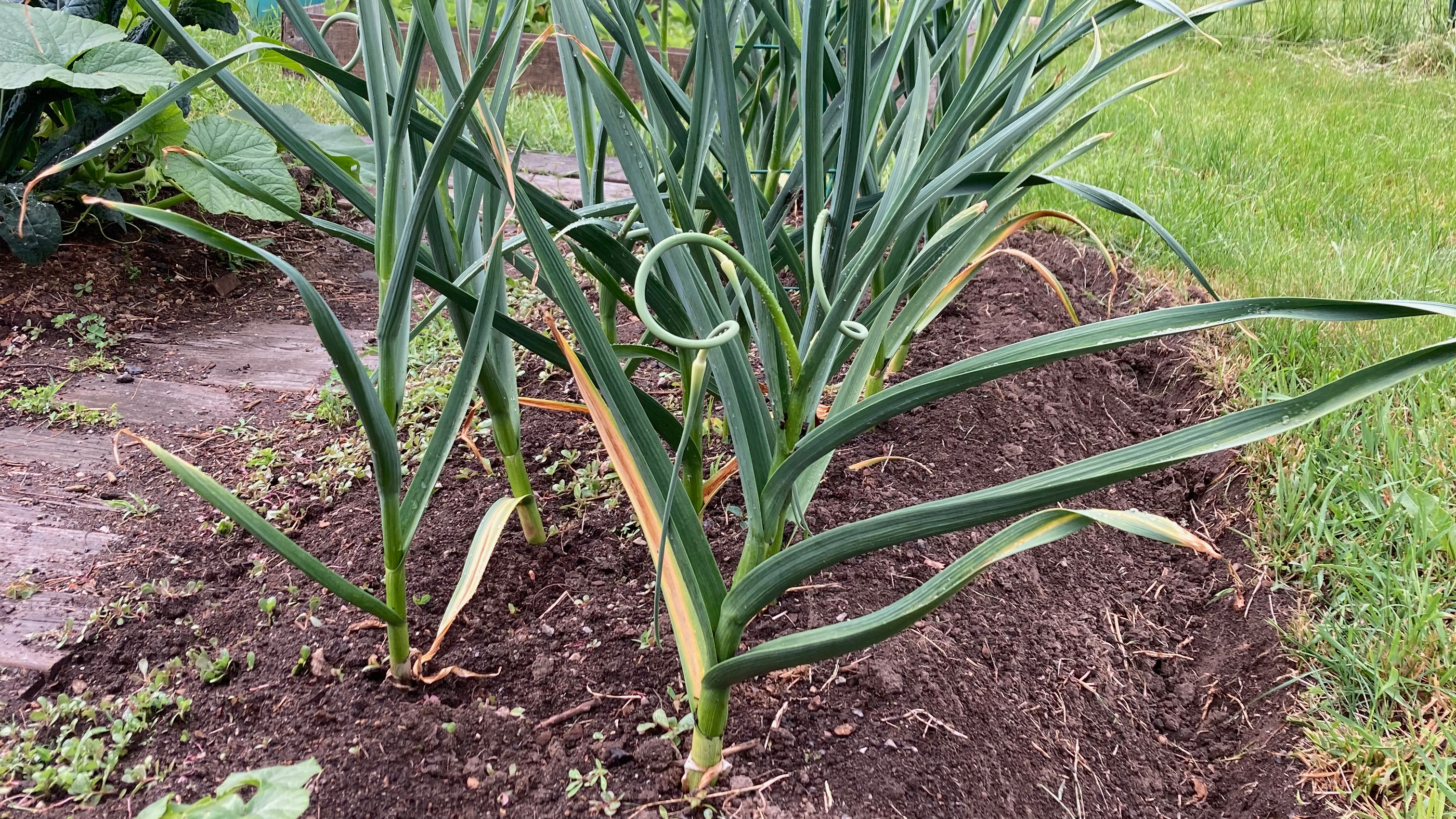
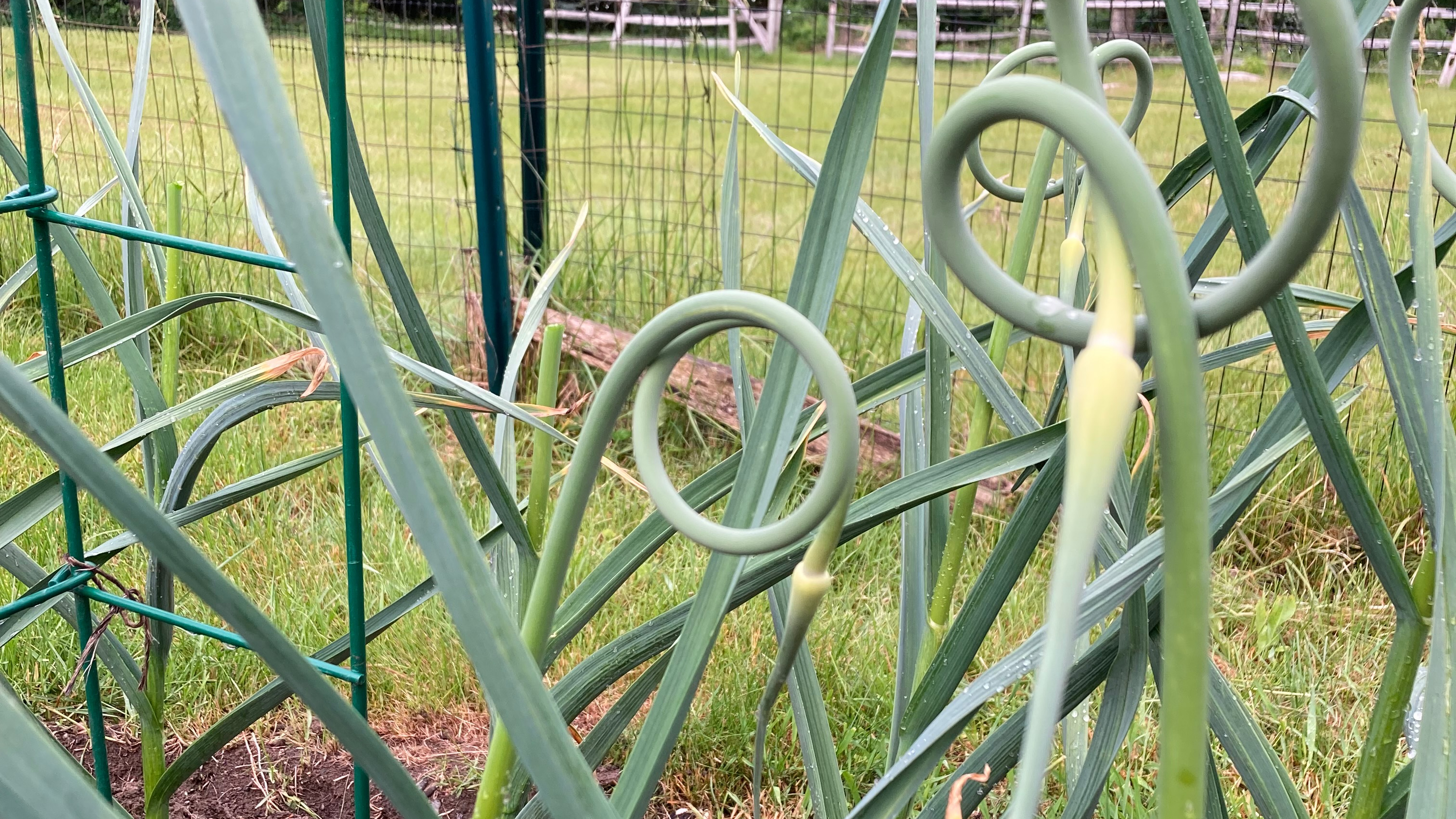
garlic scrapes last year

This year I planted garlic in October in a bed I threw together hastily just to the south of where the herb garden is going to be, so I will design the gardens and their contents over coming weeks … more to come as the plan and the work evolve!

Leave a comment

Filed under Uncategorized

Flow and Adapt

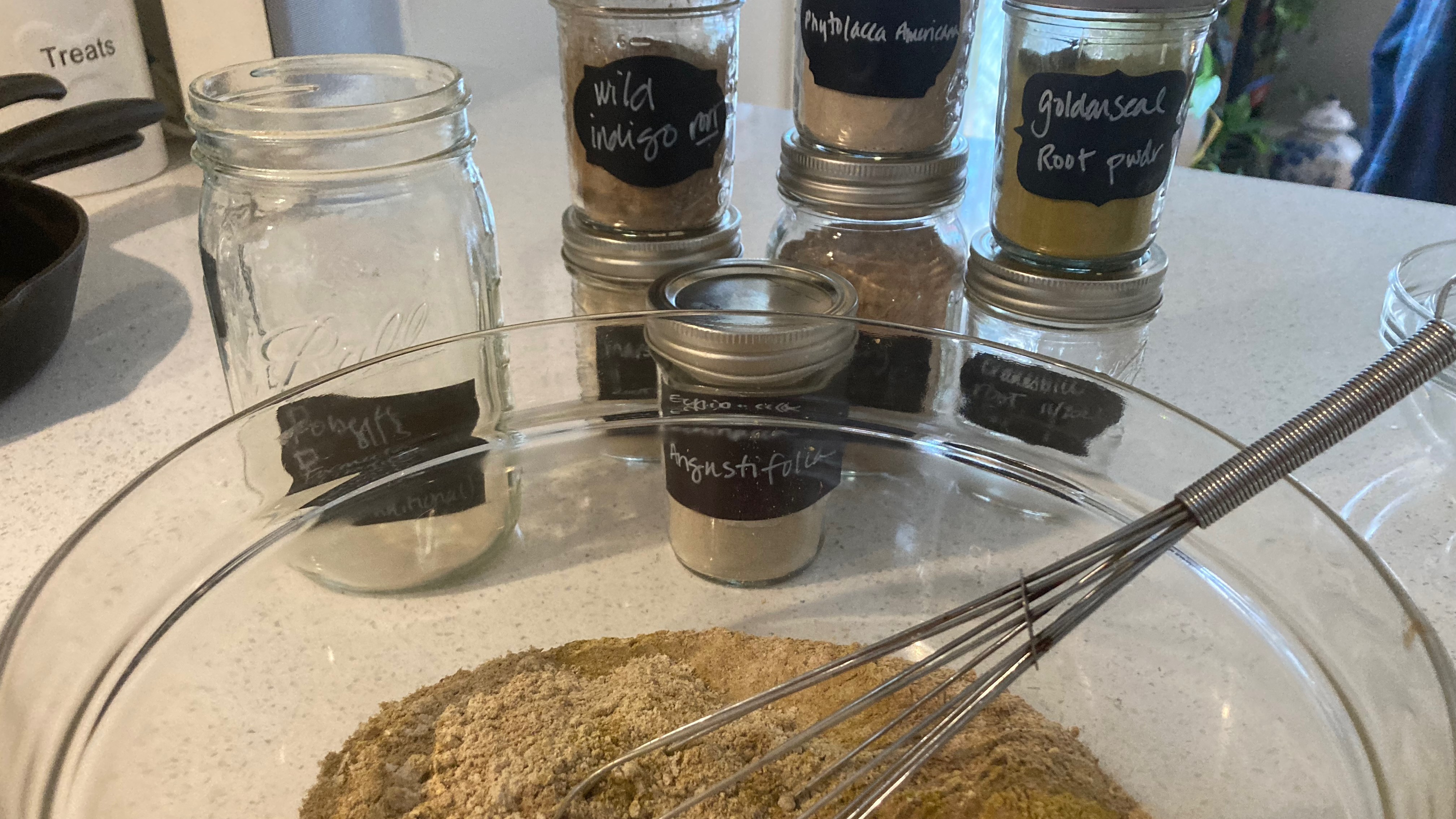
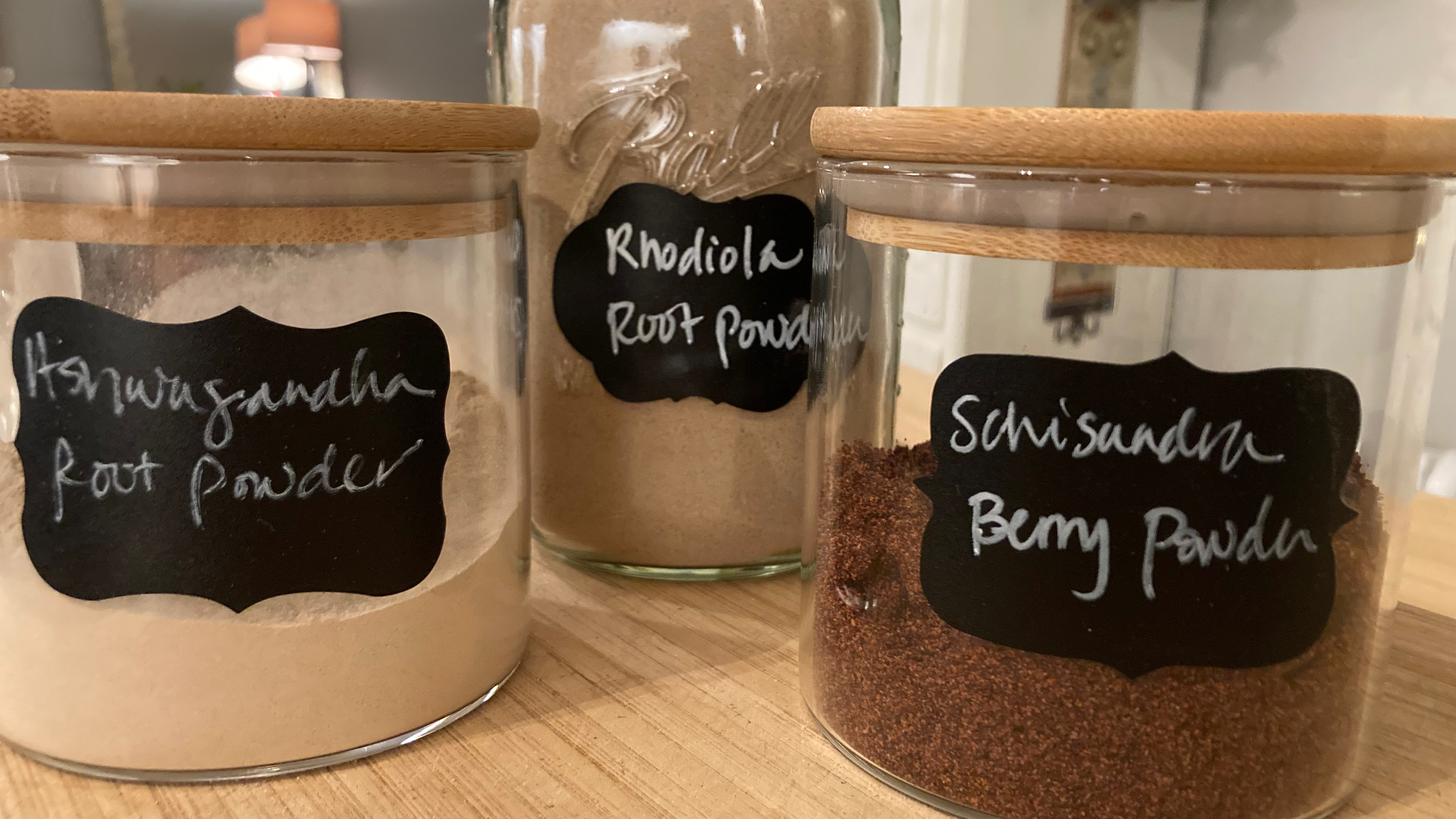
Ashwagandha, Rhodiola root, and Schisandra Berry powders

My son decided to drop out of his college program with approximately one year remaining. He has practical reasons for this, but also, he was stressed out and his health wasn’t benefiting from the lifestyle and pressure he had. One way he chose to address the stress was to buy a bottle of “adaptogens” – capsules filled with Ashwagandha, Rhodiola root, and Schisandra berry. Most of us have heard of adaptogens – plants that help us manage and recover from stress – and Tristan found them to be very useful to him as he tried to balance his full-time course load with a new business that he was trying to get off the ground.  

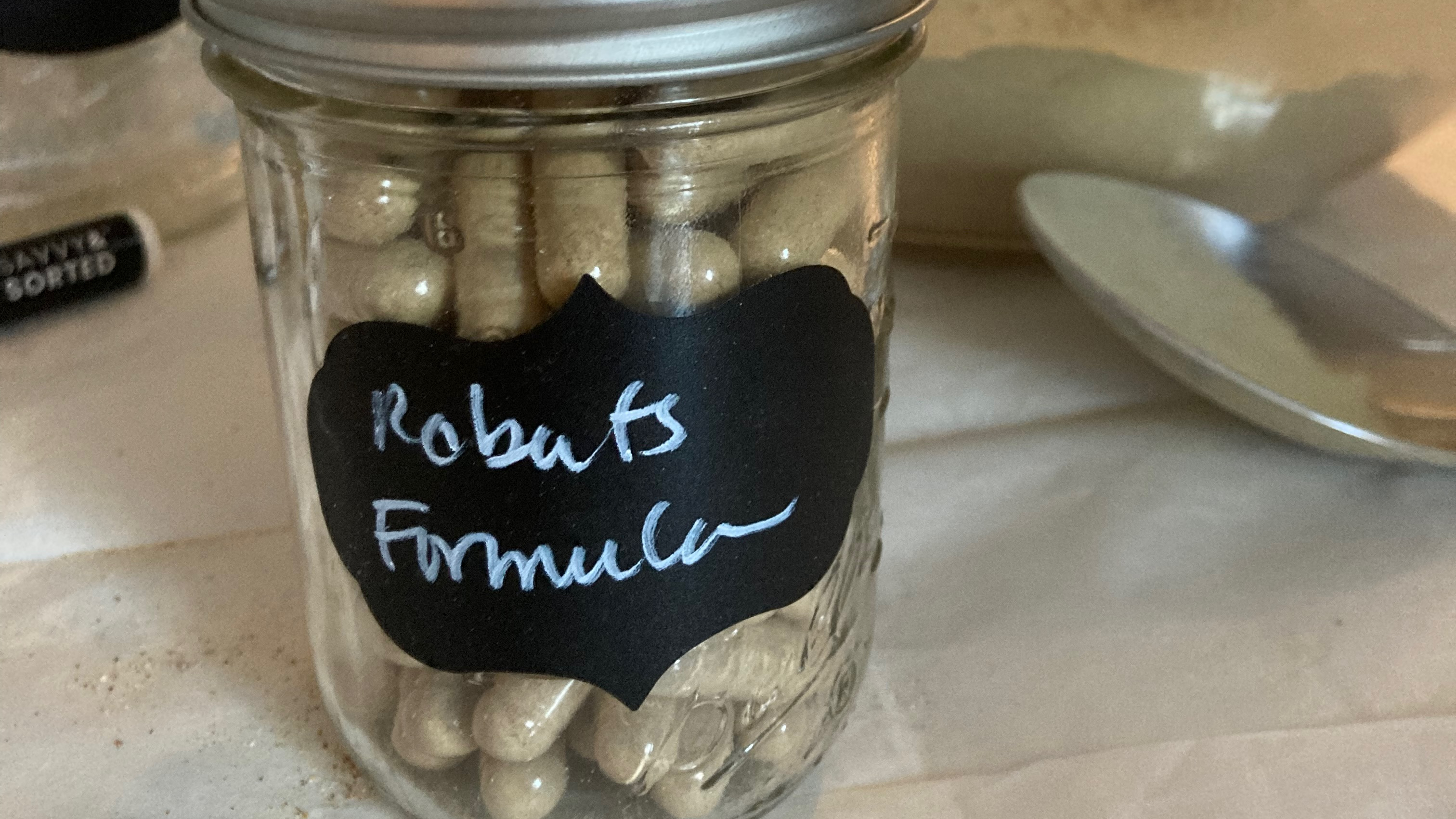
In my studies, I’ve learned that some producers are sourcing their plant material unethically – many are, in fact – and so I suggested he allow me to make capsules with the same adaptogens in them. This way I was able to ensure the herbs are sourced ethically, which is important to me.

As so often happens, the universe was presenting me with a prompt; I would really benefit from taking adaptogens in, as well! One of my key aims is finding flow during my day. Being “in flow” comes with focus, intention, even meditation, and having a bit of support from one’s parasympathetic nervous system is a like riding a beneficial tide in the right direction! When we are in flow we are channeling creative energy, intuition, and doing our best work.

Along with the bumps, periodic grief and loss, and stresses of life, most of us (myself included) are at least a little overloaded (even strung out) on information overload and the pace of modern living. So engaging a parasympathetic nervous state is seriously helpful to most of us. A few adaptogenic herbal friends that can help with that:

Ashwagandha (withania somnifera) is traditionally an ayurvedic herb, and is a thyroid adaptogen. Not great if you have a hyperthyroid, It stimulates the thyroid, affecting and regulating the adrenals, and increases thyroid hormones that circulate through the body. It’s also anti-inflammatory. It’s beneficial for fatigue and insomnia, encouraging deeper, restorative sleep.

Rhodiola (Rhodiola rosea) has also been used for centuries – since at least 1100 AD – in Scandinavia and Russia, where it thrives in cold climates. It’s root is an adaptogen, containing more than 140 active ingredients, and is used to treat anxiety, fatigue, and depression. It is known to support the immune system, and protect against infection and flu.

Schisandra (schisandra chinensis) is native to asia, an antioxidant known to support endurance and resilience, and protective to the liver. It aids the body in returning to a parasympathetic state, helping to manage stress reactions.
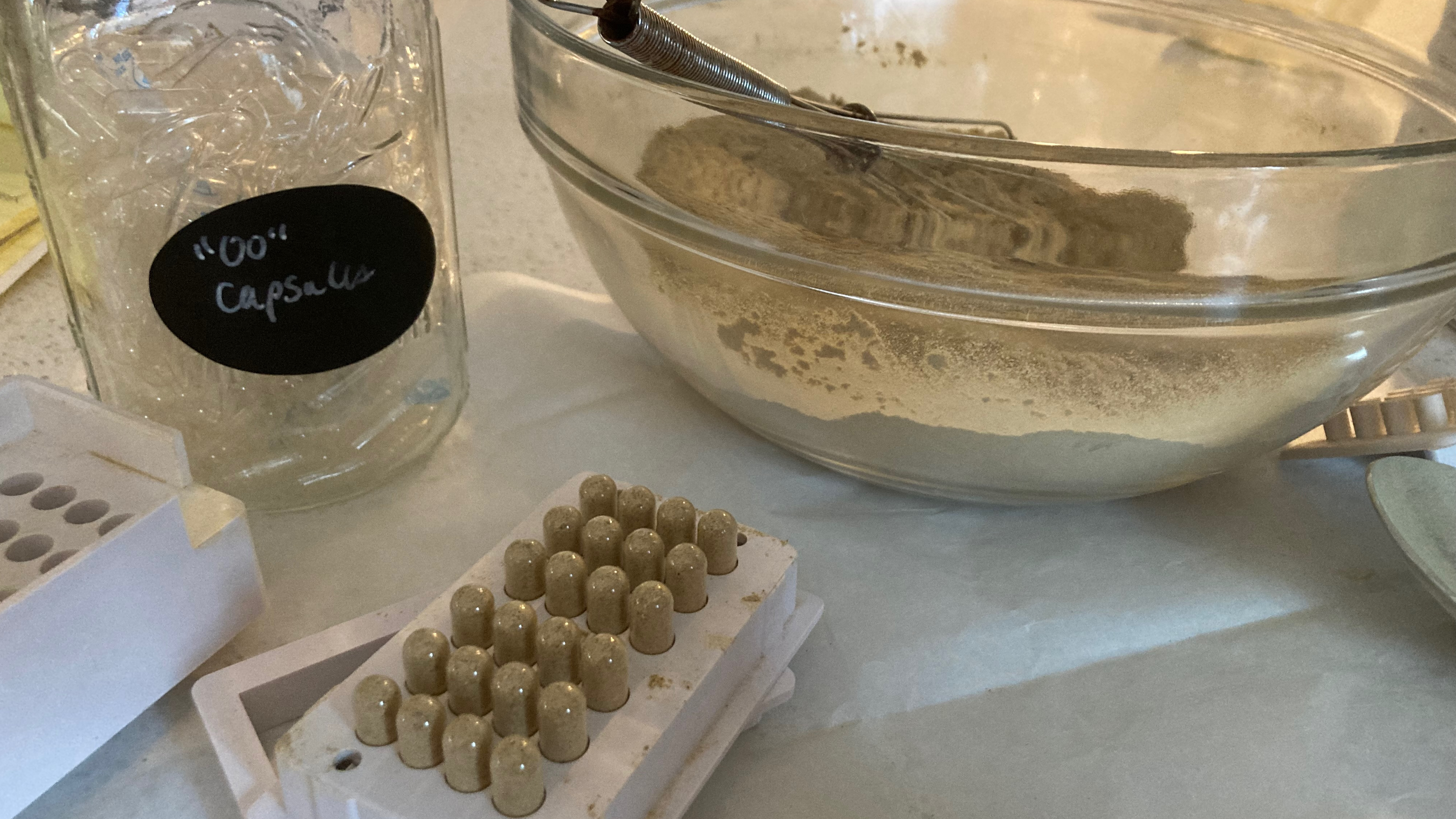
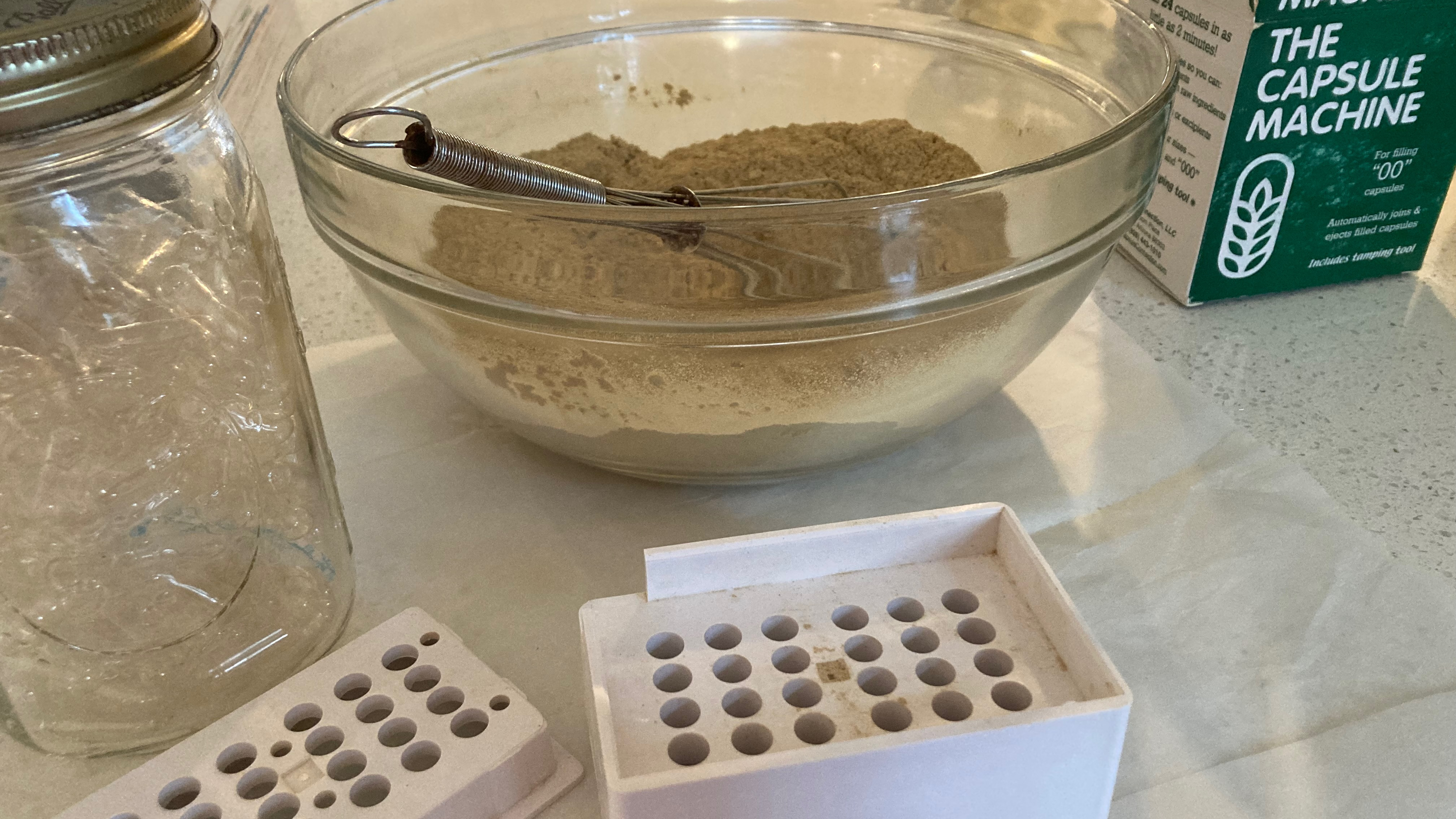
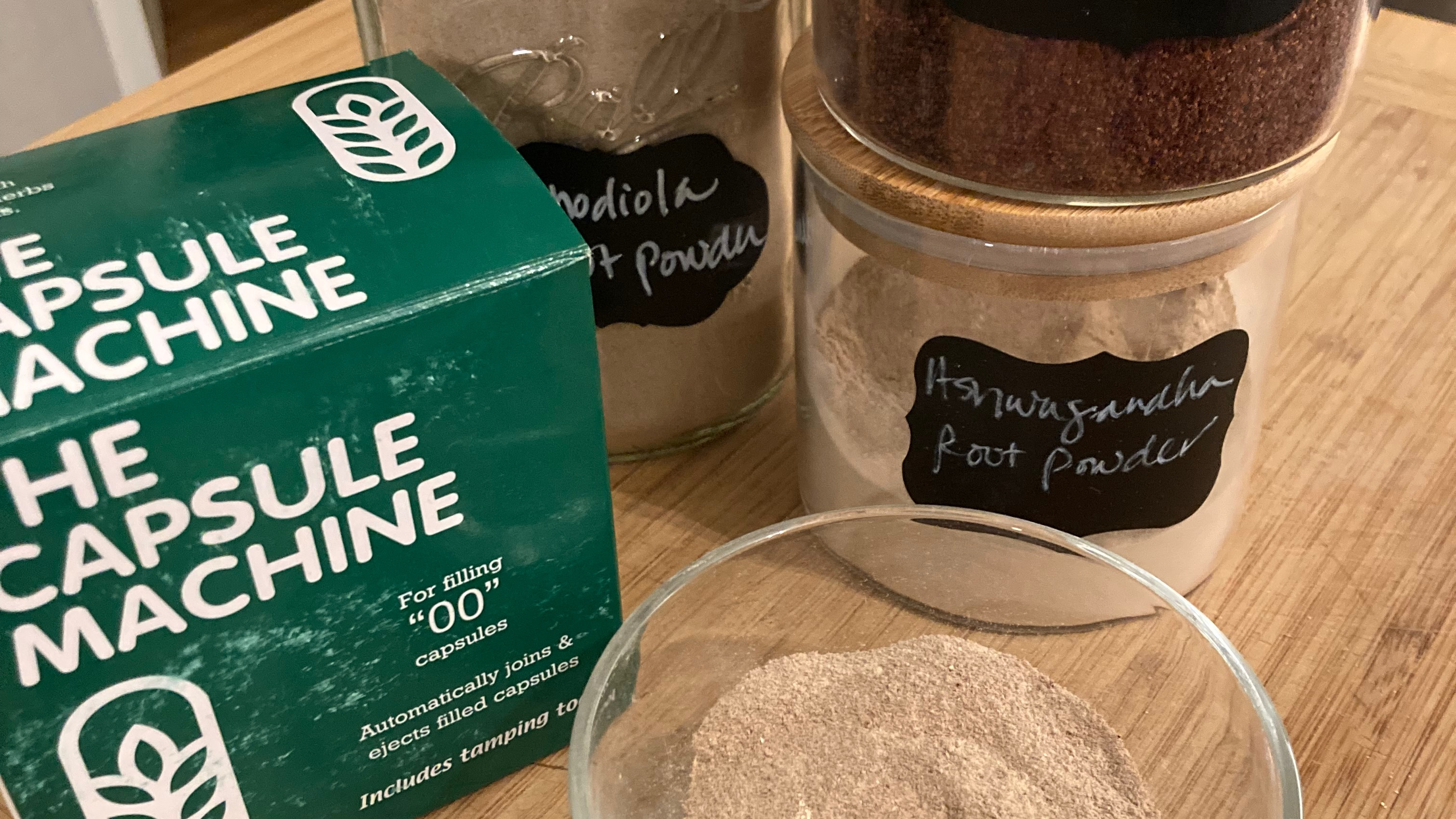
image of capsule machine, mixed ashwagandha, shisandra berry and rhodiola root

There are many adaptogens out there – these are just three that have become popular and have long histories of use.

While you can buy adaptogens in capsules and gummies at pharmacies, it’s not hard to make capsules. This capsule machine and gelatin capsules are readily available to buy online and you can buy powdered herbs from ethical suppliers like Mountain Rose Herbs online.

Wishing you flow, peace, and fun during these lengthening winter days.

Leave a comment

Filed under Herbs and Healing, Uncategorized

On Cholesterol, or No One Really Likes Statins Do They?

Over the years it seems like I’ve heard about cholesterol continually. My first husband was always avoiding eggs and butter because cholesterol ran in his family, and my current husband Jon is locked in mortal battle with the matter of whether to take statins, which give him muscle weakness.

Historically I’ve avoided medical literature because … well, it’s pretty dry. Recently, though, I sat down and read about cholesterol because I want to help Jon deal with it. I’m an herbalist and feel confident that if I help him modify his diet and supplement with supportive herbs and relevant lifestyle changes we can ward off his doctor’s requests that he take statins. The proof will be in the pudding of his next cholesterol screening, but in the meantime we’re on this train. 

So, here’s what I learned about cholesterol, which turns out to have an actual purpose in our bodies:

“Stress, toxins, alcohol, and many other substances create free radicals in the body by catabolizing (breaking down) oxygen molecules into reactive oxygen species, which are single atoms of oxygen that have extra “unpaired” electrons.  These “excited” electrons cleave onto other electrons in body tissues and walls of arteries, creating micro-wounds.  This is the same process that causes metal to rust – aka oxidation…

… In order to repair damaged tissue, hormones signal the liver to release cholesterol, which is a life-saving endogenous antioxidant.  Cholesterol repairs the wound. But when this type of oxidation is continual, day in and day out, the excessive wounding creates an immune response, which generates more tissue irritability and more cholesterol, and that builds up into plaque…

Paradoxically, “… the discovery of cholesterol plaque build up in arteries led to a misconception that high cholesterol is a cause of heart disease.  In fact, one cause of heart disease is the inflammation that triggers the release of cholesterol…”  (Maier, from Energetic Herbalism)

So, cholesterol serves a function in the body – it tries to protect the heart. And, heat and inflammation are healed by cholesterol.  We are treating elevated cholesterol levels with statins, but we aren’t treating heat and inflammation with them. So we’re treating a symptom, not the cause of the problem.

… And statins can cause liver damage and the breakdown of muscle tissue.  Maier says it is important to check liver function every 3-6 months when taking statins.  I’ll ask if liver function tests have come up during Jon’s odyssey with statins – he hasn’t mentioned it.

So what are the recommendations for lowering cholesterol production/reduction of inflammation and heat of oxidation?

  • Lower Sugar Intake – sugar causes cell to make its own cholesterol, which isn’t taken up and contributes to ldl levels.   (it’s such a bummer about sugar. it’s so tasty)
  • Consume antioxidants: red, blue, and purple berries, including aronia berries, blueberries, pomegranates, elderberries, and dark green vegetables
  • Sedative sour herbs: sumac (Rhus spp) and hibiscus help clear inflammation, also Roselle (H. Sabdariffa) has antioxidant effects, esp related to cholesterol.
  • 1 clove of garlic daily 
  • 25 g of oatbran on breakfast cereal
  • 1-2 tsp of oolong (especially Pu erh tea/day  (from Ody, Complete Medicinal Herbal)
  • Oyster mushrooms seem to have a cholesterol-lowering affect: https://www.sciencedirect.com/science/article/abs/pii/S1756464610000630)

Some other interesting things to know about cholesterol and how it functions in your body:

  • Production of sex hormones, adrenal hormones including cortisol, corticosterone, and aldosterone
  • Production of bile
  • Necessary for production of vitamin D in the body
  • Important for the metabolism of fat-soluble vitamins
  • Insulating material for nerve fibers
  • Regulation of serotonin
  • Maintenance of cell membrane permeability
  • Essential role in preservation of memory

And about Red yeast rice extract - it is made from fermentation of rice with Monascus purpureus yeast.  This is the substance statin drugs have been produced from and is as effective as statins but takes longer (~6 months) to have an effect on cholesterol levels and must be taken with CoQ10.  CoQ10 is a hormone (called ubiquonone) which is found in every cell of the body and is stored in the mitochondria (organelles that power our cells). It also acts as an antioxidant.  Statins cause so much damage because they severely diminish natural production of CoQ10.  Red yeast rice does, too, but at a much lower rate. 

It’s important to know that red yeast rices is a symptomatic treatment in that is lowers cholesterol levels but is does not treat inflammation, which is the cause of the elevated cholesterol production.  (above from Maier, Energetic Herbalism)

Leave a comment

Filed under Uncategorized

Awesome Herbal Burn (or all-purpose) Salve

dated burn salve tin label

One night this week I decided to roast some honeynut squash for dinner. We store our cast iron pans in the stove sometimes, and that night that was where they were. Jon started the oven and sometime later we realized the pans were in the oven heating up, so we removed them with hot mitts and went back to slicing squash, listening to Ike Quebec (jazz) and enjoying a glass of red wine.

Predictably, moments later I reached to move the pans aside and, touching the pan handle, burned myself. Sizzle – ouch!

I remembered immediately that this summer during my course in herbalism I made all-purpose (aka burn) salve, and reached into the cabinet for it. After a few minutes of rubbing the salve into my burned skin my hand felt miraculously better.

To be honest I was surprised.

I knew the salve would have healing properties, I knew the the scarring I usually have on my hands after burning myself in the kitchen would likely be far less angry and noticeable. But I didn’t expect that the salve would stop the pain. I was astonished that it did. By the time we sat down to dinner I didn’t have any pain.

the salve consistency shown in jar and on fingers

Rosemary Gladstar, who shared this recipe in an herbalism class I took this year, says that this salve is an all-purpose salve and can be used for rashes, cuts, wounds, even diaper rashes. I made it for myself as a burn salve – I knew it would come in handy.

In the past I have tried other burn remedies from the pharmacy — cooling sprays, antibiotic pain relieving creams … and of course running burnt skin under cold water. Always I’m left with a day or two of burning pain and a blister or mark that lasts days or weeks. Not this time.

I did run some cold water over the burn immediately, and only for a moment, before applying the salve, but the salve made all the difference. So I want to share how to make it for other cooks who, like me, sometimes burn themselves in the kitchen, or for anyone that’s looking for an honest and effective skin salve. Enjoy!

Rosemary Gladstar’s All-Purpose (aka Burn) Salve recipe

1 part st. john’s wort leaf and flower

1 part comfrey leaf

1 part calendula flowers

olive oil (or sunflower oil)

beeswax

Step 1: Place each of the herbs in a glass jar and cover with 1-2 inches of oil. Place in a sunny window and let infuse for 2-3 weeks (I left mine a little longer). Strain and rebottle. label and date.

To make the salve strain the oil. For each cup of herbal oil add 1/4 cup beeswax. heat the oil and beeswax together over very low heat to melt the beeswax. The beeswax will thicken as it cools.

To check for firmness do a quick consistency test: place 1 tablesppon of the mixture in the freeze for a minute or two. check to be sure its the firmness you want. For harder salve, add more beeswax, for softer salve, add more oil.

When you are happy with the consistency of the salve remove from heat and pour into glass jars or tins. Store in a cool dry place.

freshly jarred st johns wort oil and cbd salve

Please feel free to send me any questions you have about the salve or the process of making it!

Leave a comment

Filed under Uncategorized

New Moon in Libra over Cape Cod Cranberries

libra tatoo on inside of Inga’s saturn finger

The Moon was new in Libra this last time on October 14th … Libra, our sister of relationships, give and take, harmony, cooperation, socializing and diplomacy…

I find myself wondering where (other than in my lovely daughter’s handshake) our sister libra is hiding, lately.

Wherever she’s got to, I’m hitting pause to look at what I’m doing to channel some of her grace and good looks in my own space.

I’ve noticed over the last few weeks (maybe longer) that it’s been harder and harder to conjure a smile, harder to keep a cool and lovely demeanor. We are short-staffed and under increasing pressure at work. The news is full of war images and climate change looms large.

So I took a walk looking for libra. I left my desk early after a long day of trying to do too much with too little, put on my shoes and a jacket, and drove to a nearby cranberry bog. We recently downsized to a little cape on Cape Cod (more on that in the next blog), and our spot is close to a bog that stretches for a few acres. It’s privately owned, sports a sign that reminds folks to clean up after their dogs, and was just recently harvested. In the photo below, taken last week, the bog was flooded and the cranberries are floating on top of the water.

So I drove to the bog, parked my car, and started to walk. Crickets chirped. I passed a young man wearing sound cancelling headphones. I walked for a while, came to a small white shack that seemed to house a pump for managing water in and out of the bog. I paused to look at the pipes that emerged from it’s clapboard side, went into the ground, and emerged into a stream along the edge of the cranberries. And then I started back the way I had come.

A couple of kids on bikes zoomed by me. The trail along the bog was sandy, behind me they stopped suddenly, stuck in the sand. Shadows reaching over the tree line to the west were growing longer, but the sun on the east side of the bog, where I was walking, was still warm.

My mind was strangely quiet – there was less monkey brain than usual. Mallard ducks glided over the surface of one of the bog’s streams. Further on, seven ducks sat on a berm sunning themselves, their beautiful feathers reflecting autumn sunlight. And there were voices behind the tree line to the east. I turned right to cross a berm toward the west side of the bog, where my car was parked.

A man and his son approached, emerging from shadows, the boy flicking a stick into the water happily. When we crossed paths, the boy looked me in the eye and said “hello!” before continuing on his way. His father and I nodded acknowledgement in turn, and they continued on their way into the sun-soaked east side, toward the ducks. It felt harmonious, even lightly social.

Returning to my car I found two others parked next to me, all in a row, arrived after I had. I presumed they were there to watch the sun brighten the bog and then sink behind the trees. Maybe they did this often and knew they’d see ducks paddling through the water, and listen to crickets chirp.

I felt the hint of. a smile cross my face.

Leave a comment

Filed under Uncategorized

Santorini

Santorini is volcanic, sun drenched. It’s dramatic, beautiful, and full of art. This week, it’s also hot as hell. There are fires in Rhodes – another island in the greek Aegean. But here, it’s business as usual, except for the heat.

We’re staying at a wonderful place – the Christos Apartments, Oia. It’s family run, two brothers, a father originator, the family. They are hospitable, help with our arrangements, and there is a beautiful terrace overlooking the sunset – the photo above is mine from last night from that terrace.

Oia is said to be the most beautiful place on the island. After touring a few spots I agree.

The catamaran cruises are wonderful. The archaeological tours are amazing and educational. There are talented, educated, kind people from all around Greece summering here for extra income – driving, sailing, waiting tables. They are horticulturalists, builders – coming from other professions to spend a few months here with the tourists on this beautiful island. They work long hours, though.

The way to see the island properly is to take a catamaran.

Aside from relaxing over the water and catching many rays, the views are mind blowing – and cannot be done the remotest justice with my camera – and one can truly get a sense of the place. The others on the tour were mostly Americans, the “transfer” – a taxi lift – somewhat chaotic with cliffside views – ended with a drop off on the pier and a welcoming crew ready to take us out. After enjoying views of the islands we stopped to swim and the chef made us a lovely spread of all sorts of delicious food. The crew was Anatalie, Cosmos, and two other unnamed smiling crewmates – one identified as “the chef!” and one that steered the catamaran. Anatalie navigated the shifting deck with true sea-legs, taking pictures on request and answering questions. Cosmos, an agriculturalist that grows olive trees in a place I can’t remember on the mainland, was friendly, talkative, down to earth, and tied us up at all stops.

The archaeological tour felt like more than I paid for. We expected to tour Akrotiri – a greek Pompeii that dates back about 2000 years earlier than Pompeii. We were treated to a tour of mount Elias first thing – a beautiful monastery atop a mountain.

Our tour guide Tanya of Kamari tours spoke to everyone in their native tongue – Greek, English, German, and French. At least. There may have been other languages. We saw Pyrgos, which was beautiful – full of architectural interest, toured a cave that was once the home of native santorinians, learned many things of interest, including about how donkeys stable in caves to stay cool, capers plants that grow everywhere, and wine vines that are not trellised but instead wrap in circles.

We learned about private churches and why there are stones in roofs (to give builders and workers a foothold).

And she walked us to a terrace overlooking red beach, which was very dramatic.

There were winds this week – they were heavenly. Not as many today, though. I’m told it’s the hottest day so far at 45 celsius. And of course the trend is… warming, warming. Our AC is out; we have a fan, now, and as I write we come to just after 6pm – two hours before our magical sunset here in Oia (pronounced EE-a) and the temps starting to ease, there is a breeze starting to appear.

Tomorrow we have a wine tour – we learned one of the oldest (perhaps the oldest?) export Santorini has. I’ll write more about volcanic beaches, ancient cities, and nights on the caldera in the next post. For now, I go to find some souvlaki and watch the sunset….

2 Comments

Filed under Uncategorized

The Remembering

Harvested Chamomile flowers

Medicine as an art and science holds us all in a little bit of awe. The ability to heal — whether it’s a broken bone, chronic pain, or heart condition — commands a kind of respect and reverence from most of us that few professions outside of medicine enjoy.

We entrust our medicine, mostly, to our doctors, who in turn practice a kind of allopathic medicine that focuses on drugs, radiation, surgery, and other interventions for acute problems, often to life-saving effect.

Short of needing treatment for acute problems, though, we have what some call “the people’s medicine.” Things like fatigue, pain, constipation, depression, and other conditions may require allopathic intervention, and/but we also have the means to provide ourselves with support and encourage healing and well-being using foods and plants that come from the land, are gentler, and are more based in simple plant medicine.

I bought chamomile seeds last year, spread them in the garden, and watered them. German chamomile is easy to grow and I soon had a pretty patch of chamomile flowers. I admired them but I didn’t cut them. I was too busy working my corporate job, taking care of the family. But also, I was acquainting myself, learning about the chamomile.

They self seeded and again – miraculously, I felt – I have a beautiful patch of chamomile in about the same place as they grew last year. This year is different, though. I felt like we’ve been introduced, like we are friends, like they’d come back because they like me. And I felt comfortable asking for some flowers.

chamomile growing in my herb garden

The photo at top was taken just after cutting some of the flower heads the week before last. It’s not easy! Leaning over a patch of chamomile and carefully cutting the flowers into a bowl takes some back strength! But I had a bowl of beautiful, delicate flowers to show for my efforts when I was done. Here they are drying on a board:

Dried, they make a lovely tea that encourages relaxation and sleep. I’m often pretty tense and find sleeping hard. But on the nights I made myself a cup of this tea I slept a lot better. I was more relaxed and felt better in general. And chamomile helps reduce inflammation, which I’ve had in my knee, lately, and which seems to be improving.

I realized, cutting the flowers and drinking them as tea, that somehow the whole thing was very familiar, like I remembered the experience rather than discovered it new. The taste and affect of the tea was the same – as if I’ve felt and tasted this before. It was a more intense relaxation and rest than the chamomile tea I’ve purchased, and that felt familiar, too. Like medicine.

I have begun to learn about herbalism. The teachers I’ve met so far say that if you’re called to this discipline it’s more of a remembering than a learning.

I think they are right.

1 Comment

Filed under Uncategorized

Equinox Unfolding

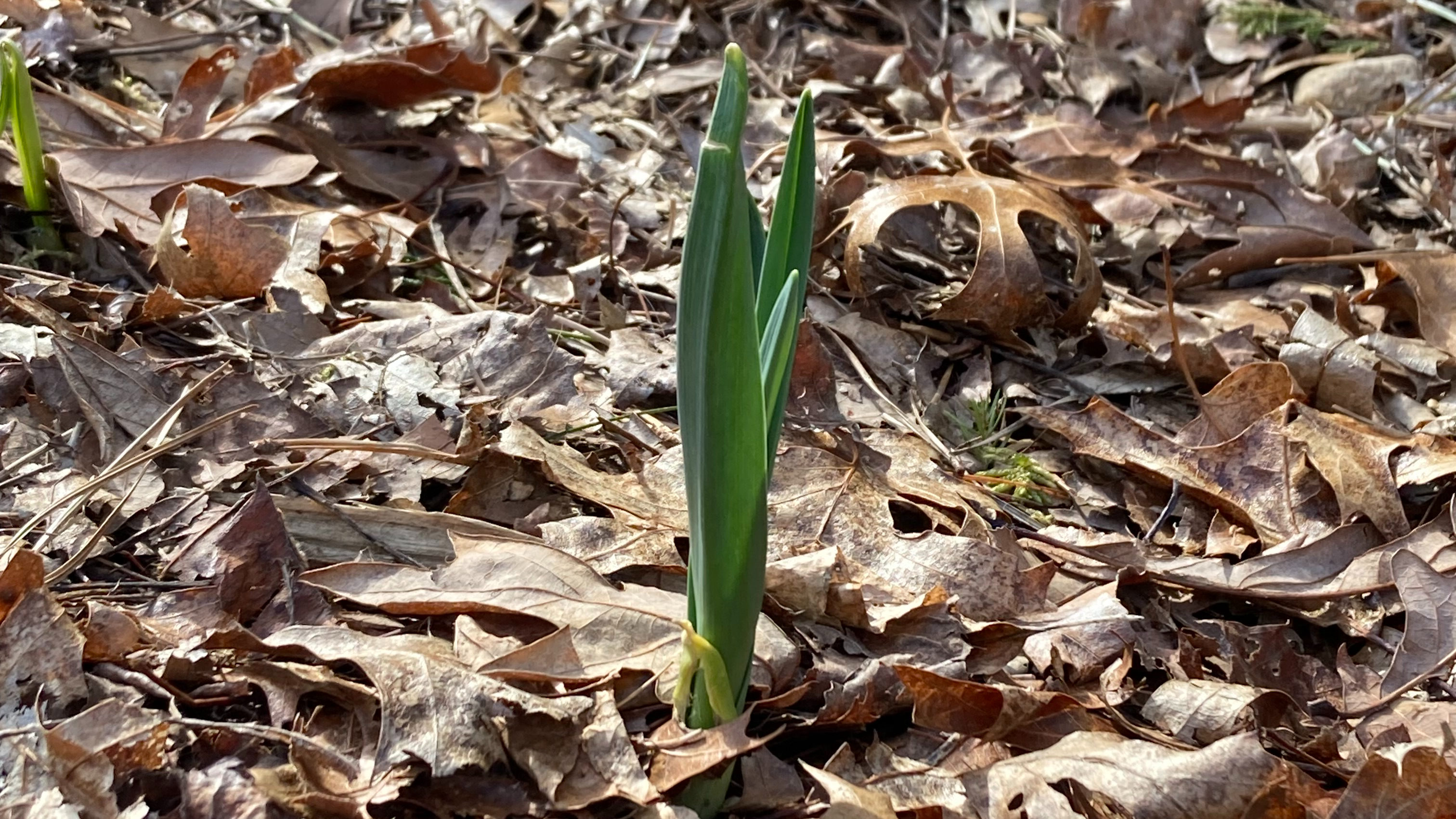
Miniature Daffodils emerging - March

A friend of mine used to say “spring always comes.” That sentence is loaded with meaning, of course, and the comfort that comes with that simple statement goes deep and far.

Happily Roger was proven right again this year and spring dawns in the northeast as usual — as usual…

snowbells

Just that phrase. Since 2020 nothing has felt “usual” – but spring has come, *as usual*, thank the gods. Snowdrops have come and gone, crocus and daffodils are up, tree buds are visible and I’m thinking about summer porch furniture. As usual.

Some other usual things … the mailboxes of our hometown after a winter of (not much) snow plowing:

Mailbox plowed to the ground. The rest of the post is still buried.

Year after year we marvel at the ingenuity of people’s solutions to this perennial problem. People are very creative!

broken duck-taped mailbox
Hellebore

Yes, the comfort of the usual, maybe not entirely predictable things. Welcome, spring.

Leave a comment

Filed under Uncategorized

Egg Business

Yes, we’ve entered egg season. Not just because it’s Easter time and every store features chocolate eggs of every color and size, and marshmallow chics, but also egg production is in full swing here. We started to find small eggs during the last week of January, which really surprised me, but now! We have tons of eggs every day.

I got these new chicks at the end of last summer – a little late to be getting chickens, actually, bug they grew fast and by the time the cold New England nights set in they were pretty well grown.

Now our girls, based on my advanced math (number of eggs – number of chickens), produce more than one egg per chicken on some days. And even though I love to cook and bake– and I really like scrambled eggs with fresh chives from the kitchen garden and flourless chocolate cake– that is just too many eggs for us to eat.

So now I have a small overstock business.

Besides producing a million eggs, chickens are miraculous. They are beautiful – their feathers are so soft and colorful. They have downy fluffy bloomers:

That is serious chicken porn in that picture. They make lots of manure that is awesome for my garden (a little tough to shovel but you can’t have everything). And they have so much personality. Each one of them is an individual. The chicken in the photo above, named Summer, greets me every day at the door when I enter the henhouse.

A final word on chicken eggs. They are a little like a box of chocolates. You never really know what you’re going to get:

Some eggs are big (double-yolkers). For scale, the others are large eggs!

Leave a comment

Filed under Uncategorized