Tag Archives: healing

Herbal Remedy for Colitis/IBS/gut inflammation

Some time ago a friend approached me about his case of chronic colitis. Which is to say — he has had it for a long time and it’s pretty miserable, and did I have any suggestions?

Off the top of my head, other than demulcents, which are mucilaginous herbs that coat and soothe inflamed or irritated membranes, I did not. But I did a bit of reading and found that there is an herbal formula that has been used for IBS and similar problems related to the digestive system for a long time with good results, and has been adapted for use with modern constituent derivatives, etc. Looking at the ingredients list, it seemed to me that the formula addresses inflammation and virus in the gut. None of the ingredients had contra-indications that discouraged me, though these are definitely medicinal, rather than tonic herbs. By that I mean that these herbs are known to have powerful and immediate effects, as opposed to herbs that are gentler and can be taken daily and indefinitely. 

I decided to make the traditional formula myself and share it with him. 

There are versions of the formula that can be purchased online and have been modified from the traditional version by their makers, but I found an “original” formula that did not include derivative compounds, and purchased those herbs.
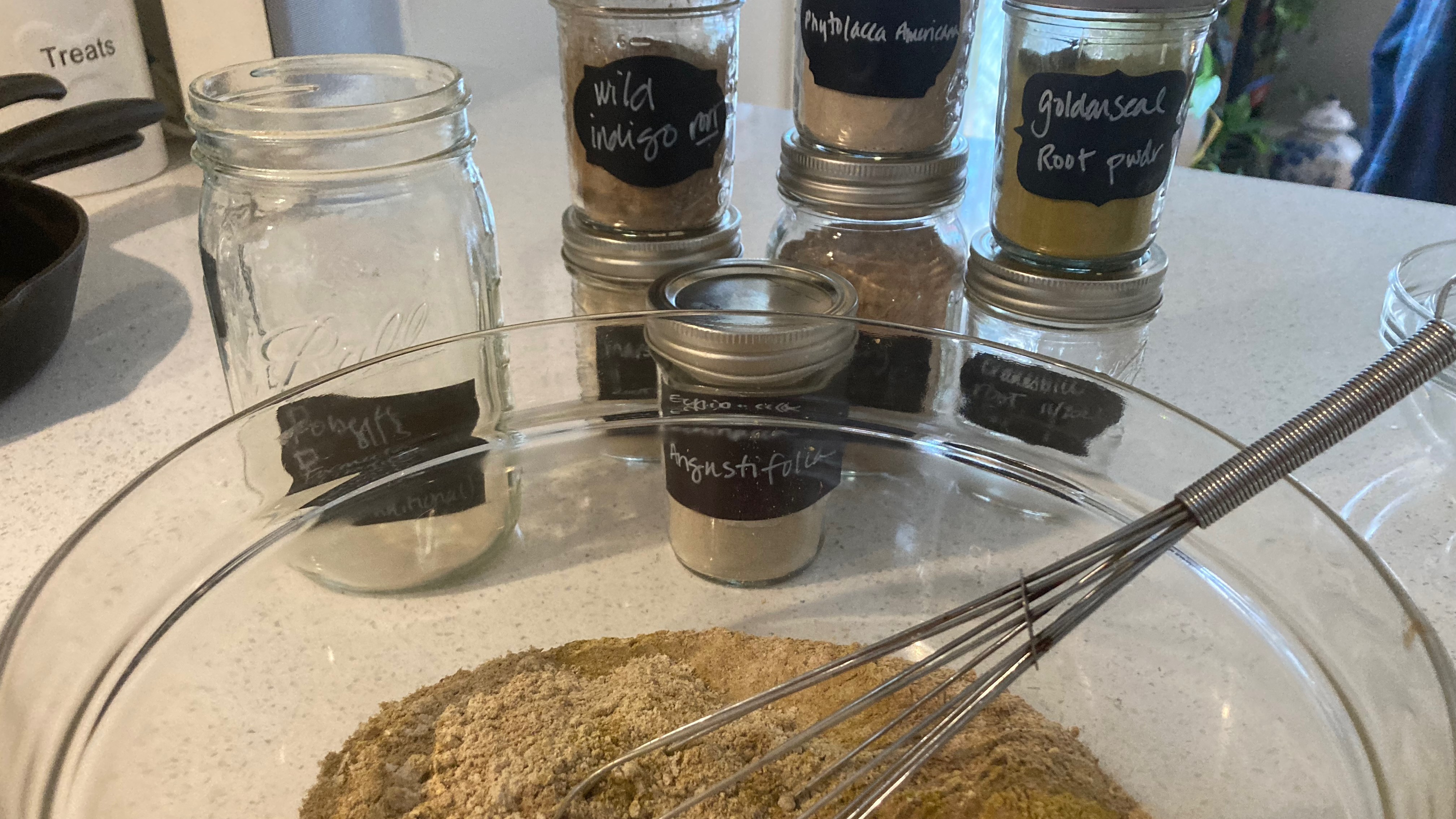
a mixing bowl of herbs flanked by jars of each type that appear in the bowl.
the individual ingredients in Roberts formula pictured here and combined at front in a mixing bowl before encapsulating

I will give away the ending before continuing this story: this formula worked for him. It corrected a chronic and persistent case of colitis that had been present for over a decade in a matter of weeks. 
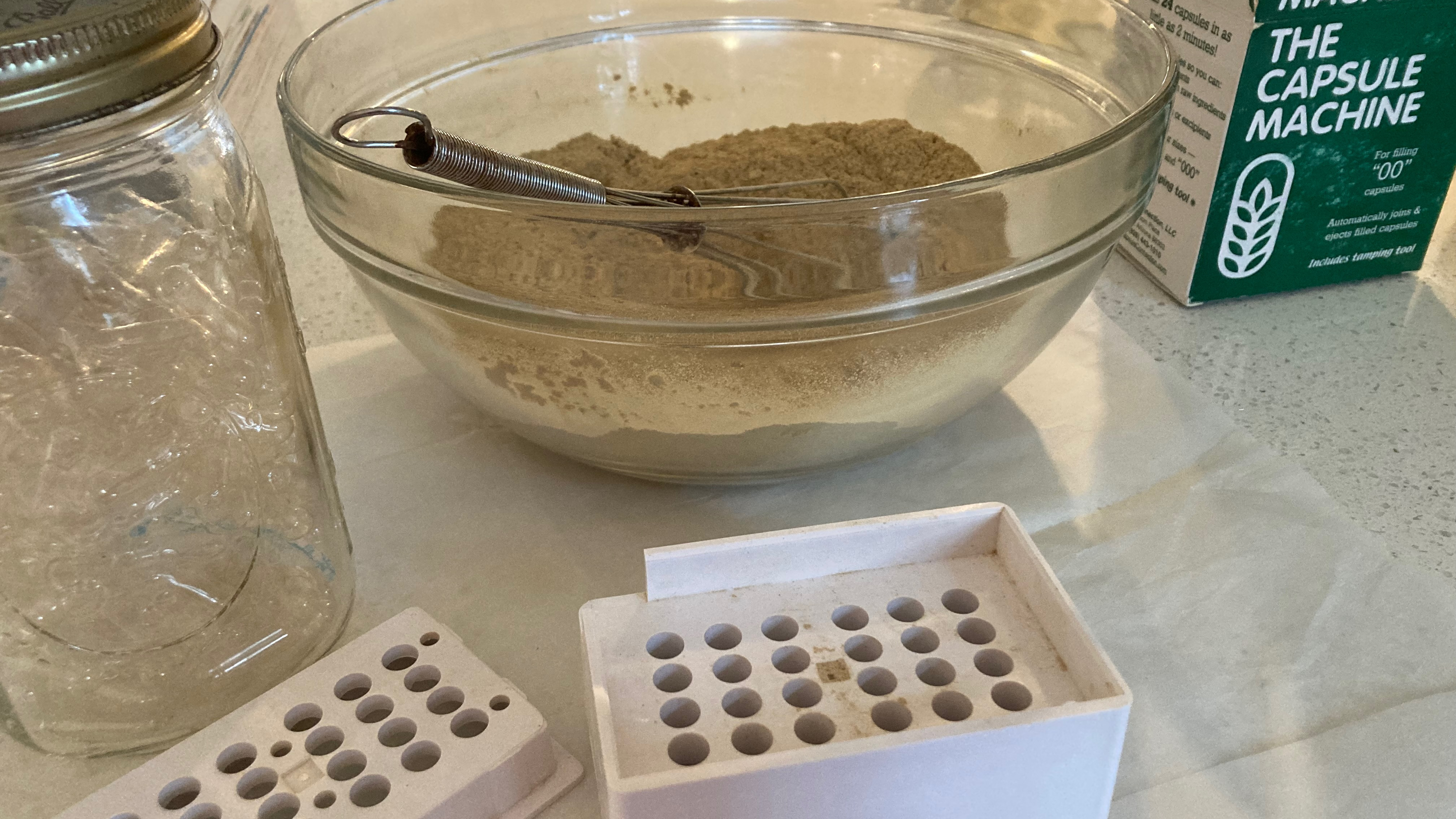
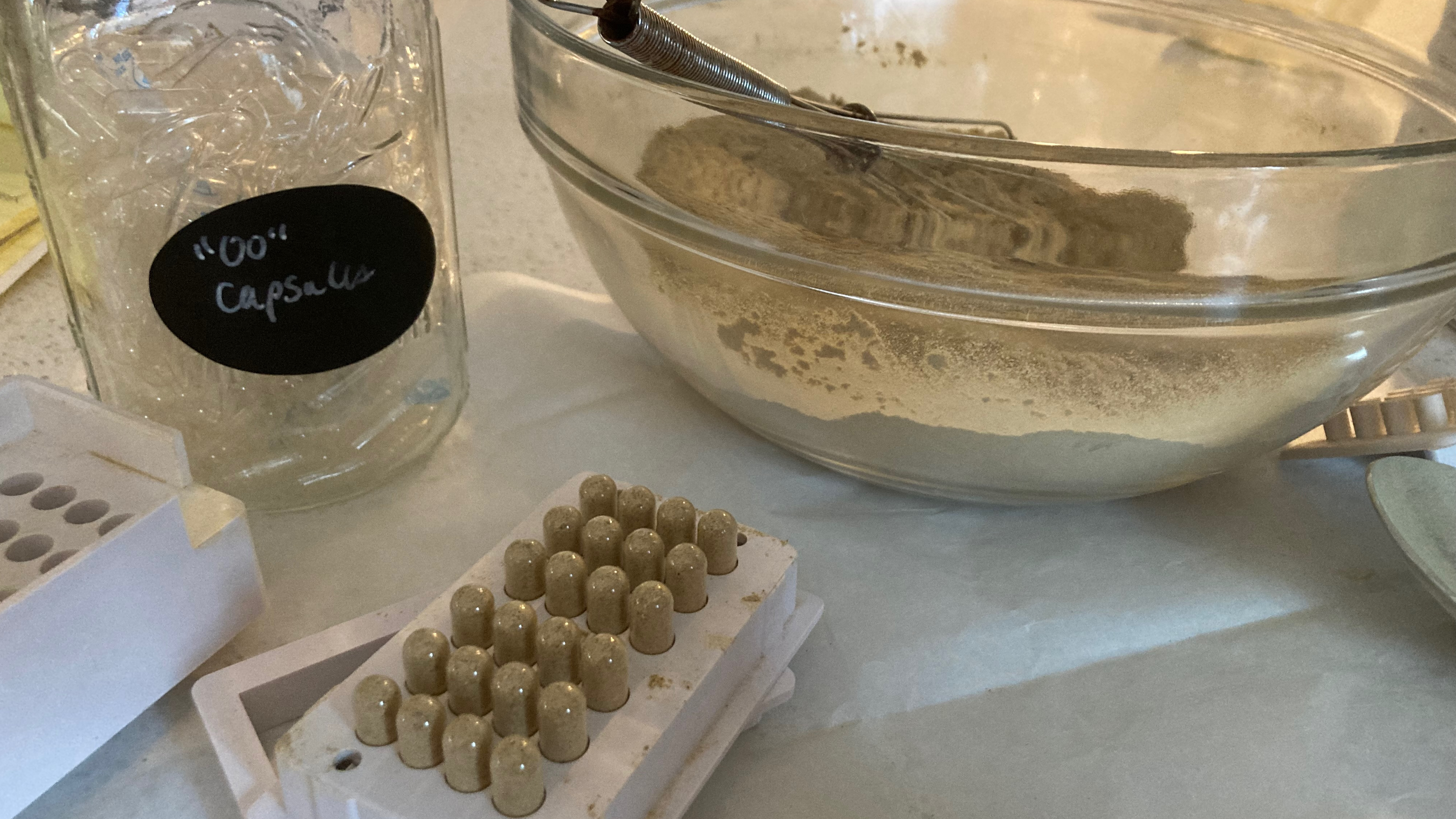
encapsulating Robert’s Forumula

When the herbs arrived I had to grind some in order to be able to compound them, so I spent a Saturday morning grinding and combining them in equal parts. The old formula did not specify the quantity or ratio of each herb. I know from my herbal studies that often we combine in equal parts unless we know an herb (like cayenne or in goldenseal, for example) should be used more sparingly. I made the decision to combine them in equal parts.

The ingredients in the formula I made: Purple Coneflower root (Echinacea angustifolia), Marshmallow Root (Althaea officinalis), Wild Indigo Root (Baptisia tinctoria. note here the original called for a different genus – Baptisia australis, but the tinctoria was available and I judged the substitution to be fine), Slippery Elm Bark (Ulmus rubra), Poke Root (Phytolacca americana), American Cranesbill Root (Geranium maculatum), Goldenseal Root (Hydrastis canadensis. A note, this is an endangered species at this time so I was careful to order it organically cultivated. Please don’t buy this wildcrafted.)

We know that herbs are the original medicine of the people, and that they are powerful and effective, but I was surprised at how quickly and effectively this formula worked because traditional allopathic medicine had tried and failed to treat him. The truth is that allopathic medicine often is more quickly effective for some things – for killing pain, for example. But in this case these herbs, which are whole foods, worked with his body to remedy a problem that had been serious and persistent for many years, and had not been treatable with allopathic medicine.

Some of the versions of this formula you can buy are liquid and arguably more easily absorbed. I felt that in this person’s case the ease of the capsules would help ensure he’d take them, and the pure nature of the herbs compounded together with no “carrier” ingredients (tincture or syrup) felt intuitively right and was more accessible to me. 

If you have questions about this please feel free to reach out to me. I’m not a doctor, just a simpler herbalist, but I felt sharing this was important because of the profound effect it had for my friend , and I know that many people have similar digestive problems. 

Wishing you wellness.
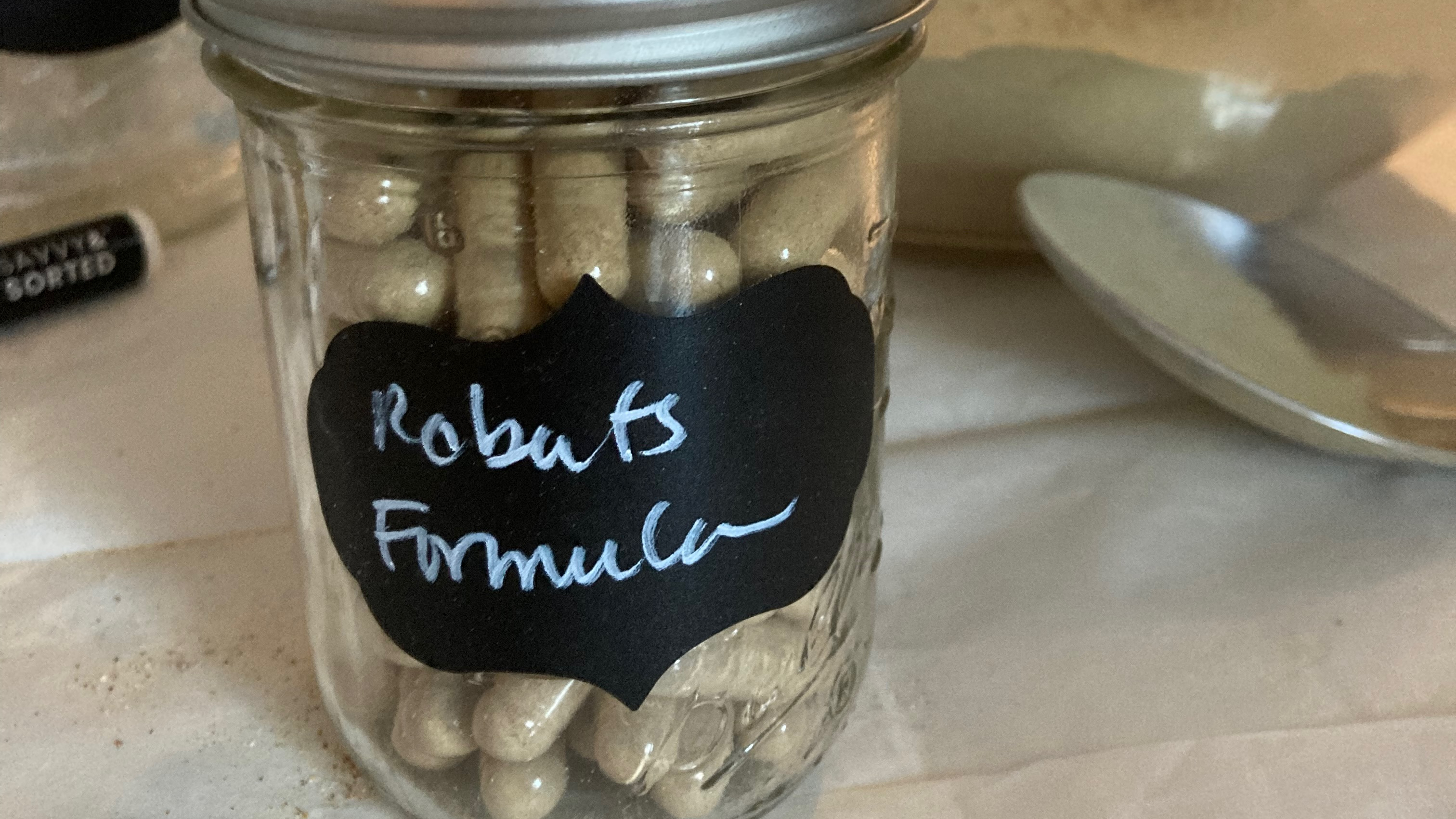
Finished Roberts Formula capsules

Leave a comment

Filed under Uncategorized

Re-committing

The fact that our gut biome greatly benefits from putting our hands in the dirt is probably one of the most meaningfully religious doctrines I know – and I have a graduate degree in religion, so I’m as serious as a heart attack about that. 

I mention it here because this is about the time that I start to pare back my expectations for the year. I reserve the right to adjust my hopes back based on the amount of chicken poop and other compost I can gather! But here’s the early plan:

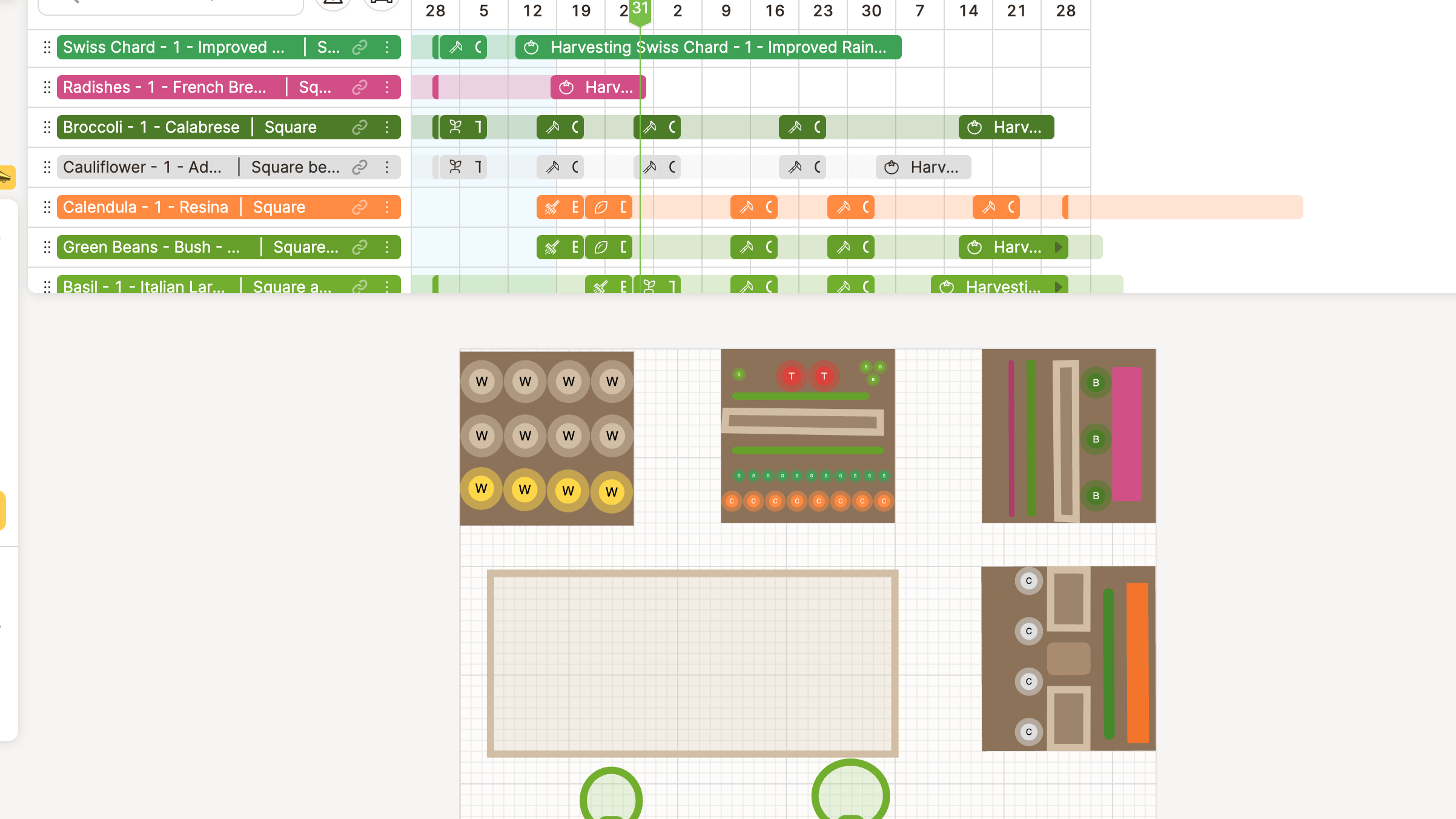
seedtime garden map of vegetables

I plan to volunteer as a gleaner and grant writer for Farming Falmouth, too, and there aren’t enough hours in the day for everything, but again, this is a first ambitious draft.

Carrots, spinach, onions, cauliflower and (hidden) garlic in the bottom right, chamomile, beets, arugula, broccoli and radishes stop right corner, tomatoes, basil, swiss chard, beans, and calendula middle top and an assortment of winter squash top left. the middle rectangle is an imaginary patio that currently does not exist but could have our picnic table on it someday.

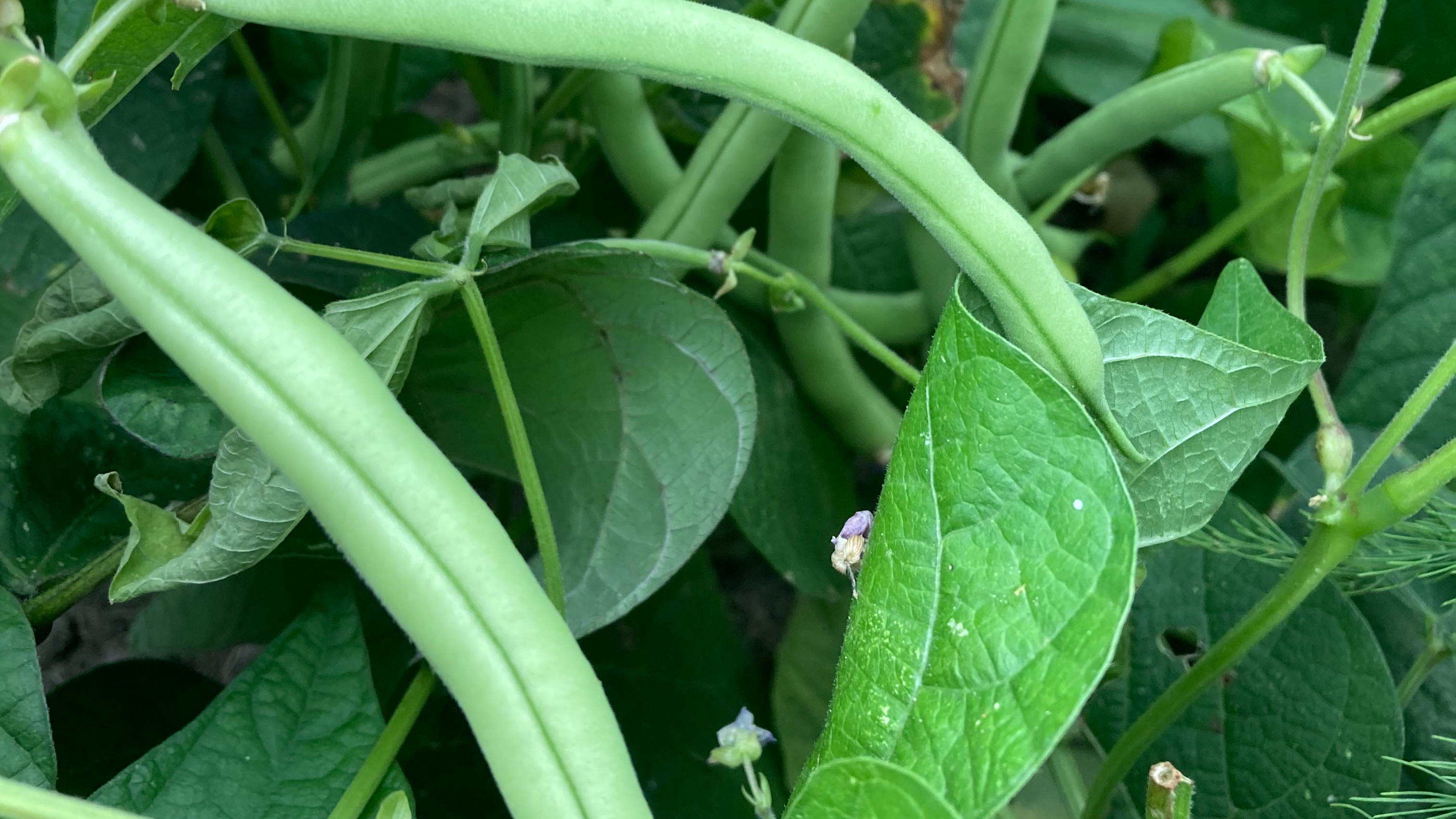
happy green beans in the garden

Not shown is an herb garden (bottom right, out a window to the right of the kitchen table) that will have many of my favorites – lemon balm, fennel, verbena, parsley, more chamomile (because who can have enough?), peppermint, monarch and hyssop for the pollinators (center because they are tall), some more sage, a rhubarb plant (also center), rosemary, lavender, bay leaves, lemongrass, tulsi, purple basil, asclepia for the monarda butterflies. And more flowers elsewhere including my favorite zinna and some marigolds because they just get along with everyone. The space will be big but that’s okay. Flanking this against the fence – a hedge of raspberries. What’s missing? Potatoes. We love them, we eat them, they aren’t here.

That said, we can get them at the local Pariah Farm farmstand. I welcome visitors and will gladly share what we grow. 

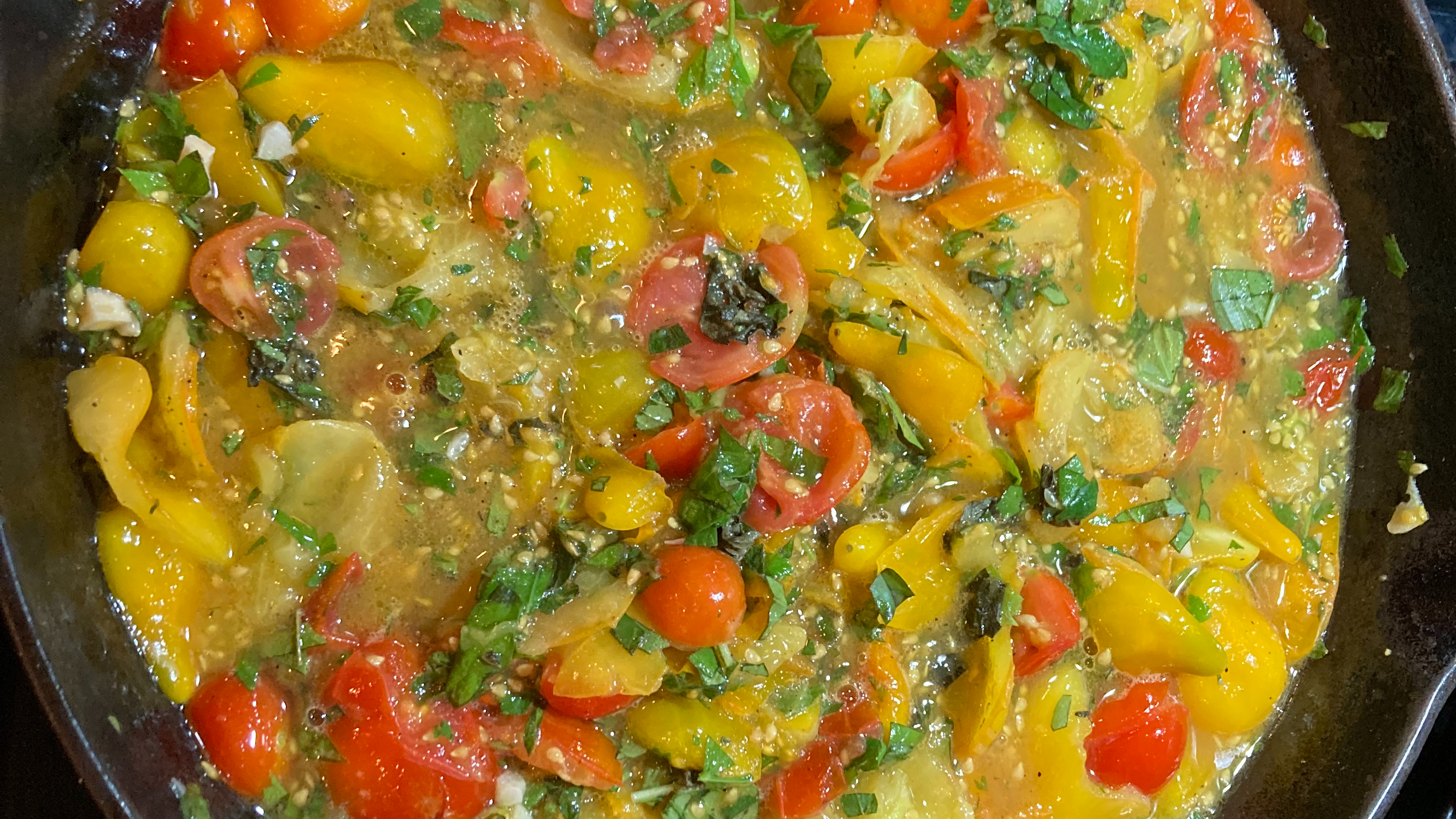
cherry tomatoes make a luxurious sauce

Leave a comment

Filed under Uncategorized

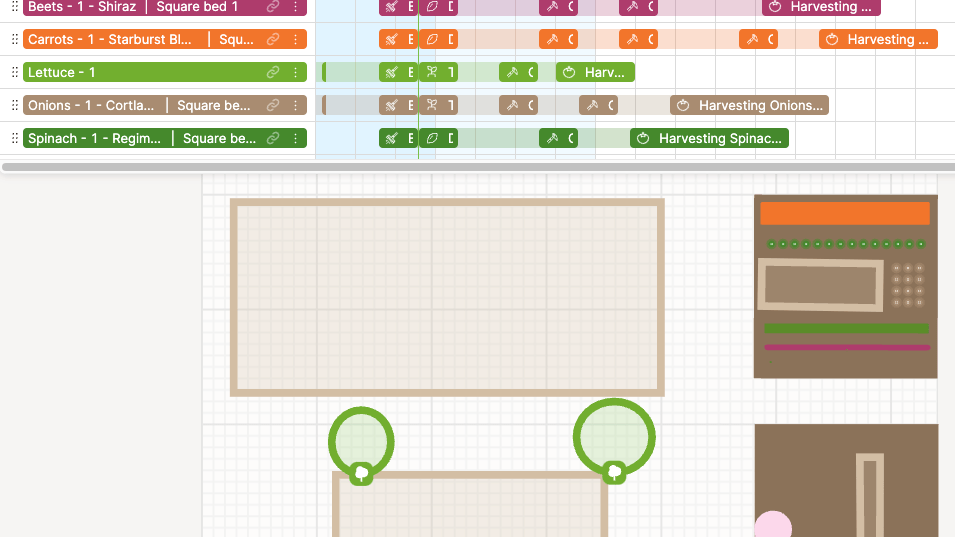
Planting Software is the BOMB.

A friend from our local farming non-profit, Farming Falmouth, turned me onto this application. It’s called SeedTime – it’s an app for planning gardens. He wanted me to evaluate it for the non-profit with an eye toward using it to plan gardens around town and … I bought it for myself. Some people can’t resist buying clothes, jewelry, and watches. This is the third online program and second piece of software I’ve purchased to play in my yard with. I know plenty of tech-savvy nature lovers, but gardeners? Not sure. Feel free to set me straight, but I think I’m pretty weird.

Anyway, the screenshot above is a pic of my developing and definitely NOT finished backyard plan. I’m grouping things that grow happily together and then matching that according to what gets planted during a given week. So, for instance, this picture above shows what’s growing in April. Later on, there will be other crops added and the crops and arrangement will change.

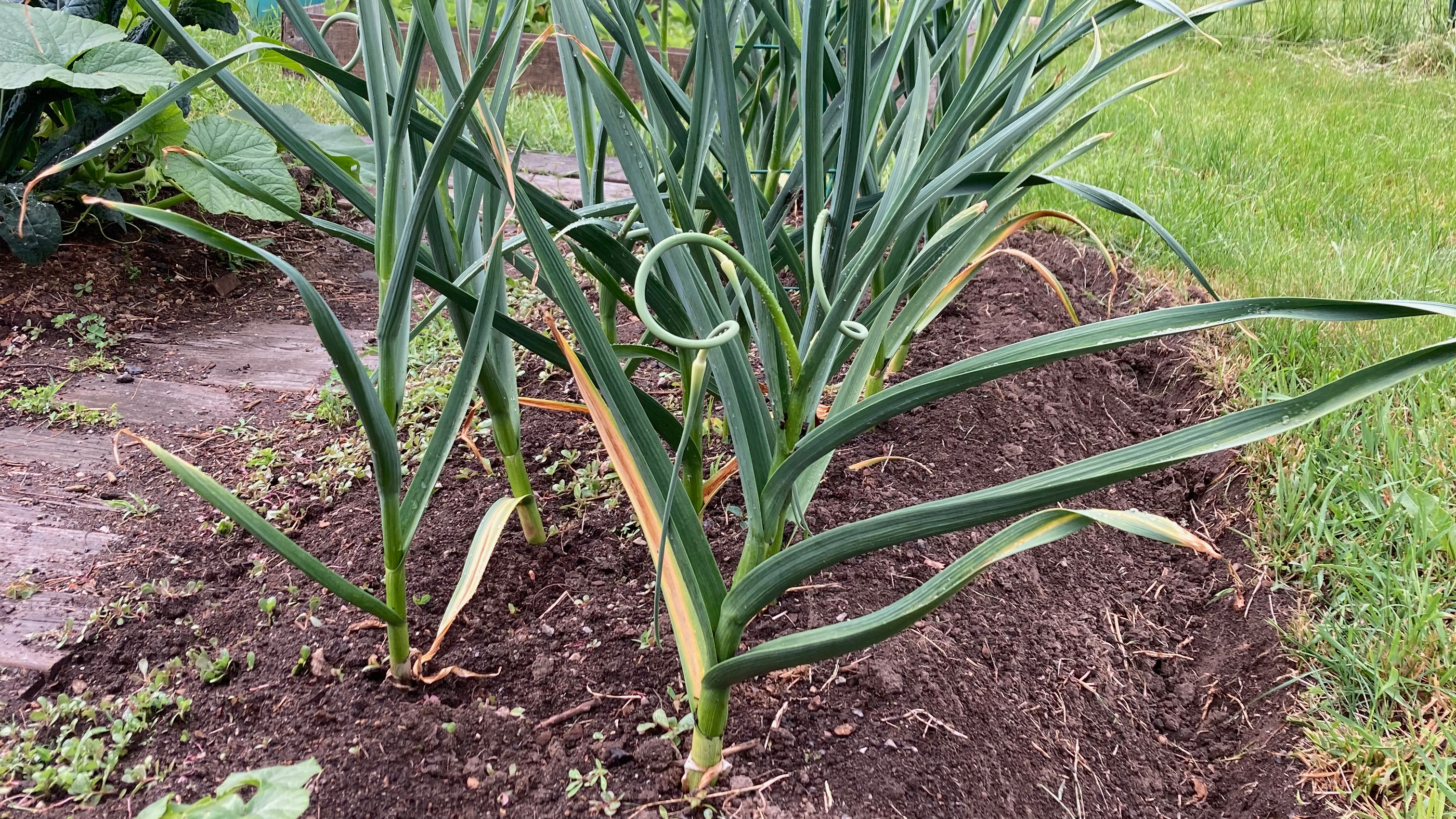
garlic growing in the garde3n
garlic growing in last year’s garden – scrapes are the curling pointed stalks you see here and they are delicious!

I managed to jam some garlic in before it got too cold – but I forgot to add it to my plan, so I’ll rework it to include the garlic, my rhubarb plant, and some herbs I put in the day we arrived. (Yes, I’m that attached to my plants.)

The planting – onions, early start indoors – starts in a couple of weeks!  Wow! Last year I direct-seeded onions and wound up with teeny-tiny little ones. I guess now I know why! They weren’t in for long enough! 

I have always ignored the days to maturity on my seed packets for three reasons. 1- I’m lazy (or too busy drinking wine while I plan the garden). 2- I am not growing for profit so I don’t *need* to know how long till maturity. I can just, you know, plant them and see what happens… and 3 – I’m not disciplined or organized enough to plan my calendar around my planting activities. I know my limits and the truth is I like to play in the dirt. I made mud cakes when I was a kid, too.

But seedtime makes it both effortless and fun to just plant things when you’re supposed to, and to actually *know* when to harvest them — It’s on a color-coded calendar! No more staring at the aerial parts and wondering if my roots are ready. It’s an epiphany.

Honestly, in all of my years working in the software industry I have appreciated A LOT about the cool things we built, but this takes the cake. And no, those guys have no idea I am writing about them in this blog. 

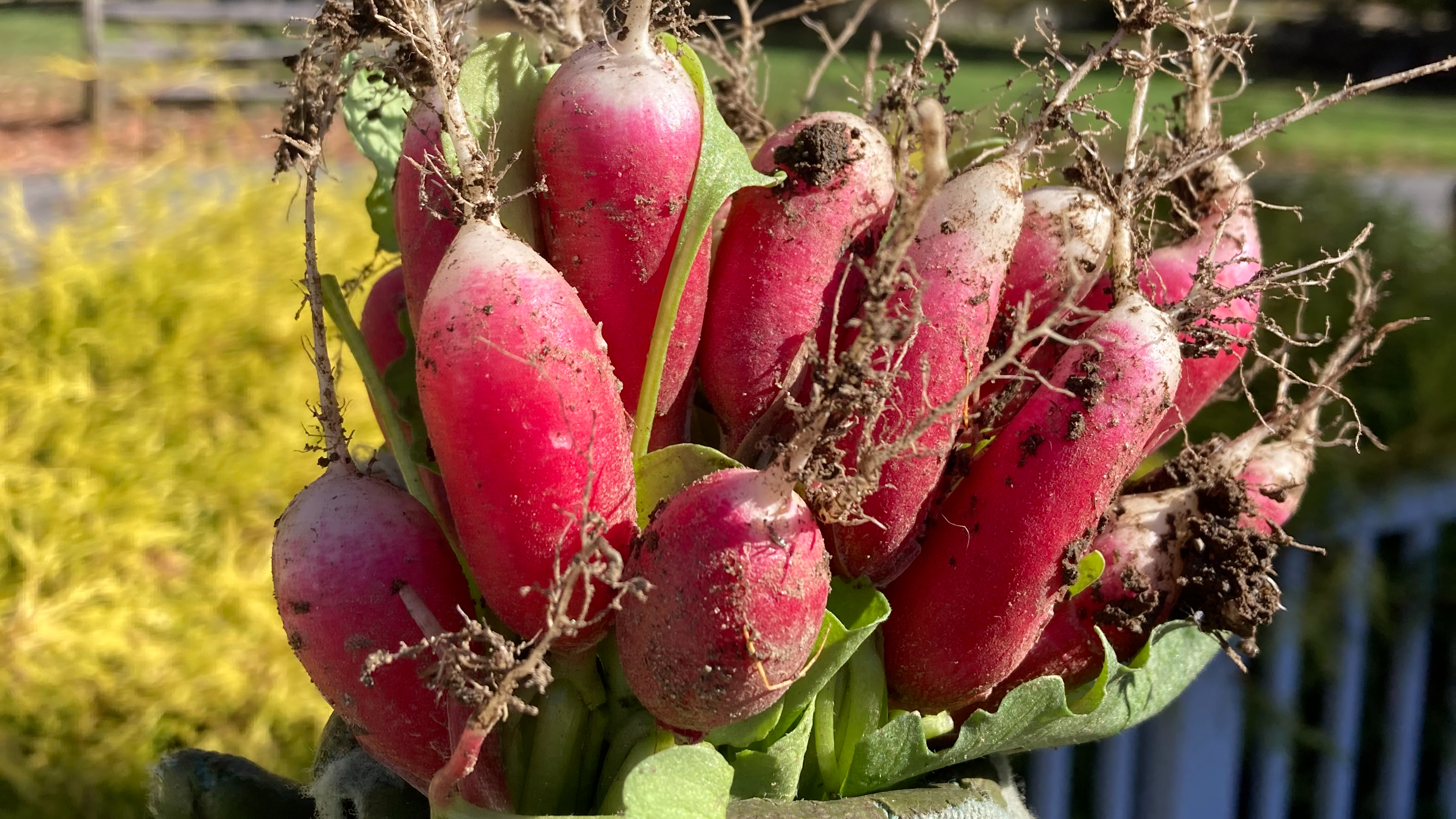
glorious, beautiful radishes just after harvesting garden last year.

I wish they included annual herbs (herbs that won’t grow happily in the northeast) in their crops schedule. I’ll suggest it! 

Leave a comment

Filed under New Kitchen Garden, Uncategorized

Mixing and Matching for Happier Gardens – and Gardeners!

Sometimes we have to share. When you plan to share, that’s okay. It’s a little tougher to handle sharing when you aren’t expecting to, though. For instance, when I buy an ice cream cone I’m not thinking I’ll have to share it. It’s pretty great to have a whole ice cream cone all for yourself, it’s less great if you have to share it. The same thing is true for some garden goodies. I know the birds will share my raspberries. I expect it so I let the raspberries get a little bushier in order to have enough for the humans and the birds.

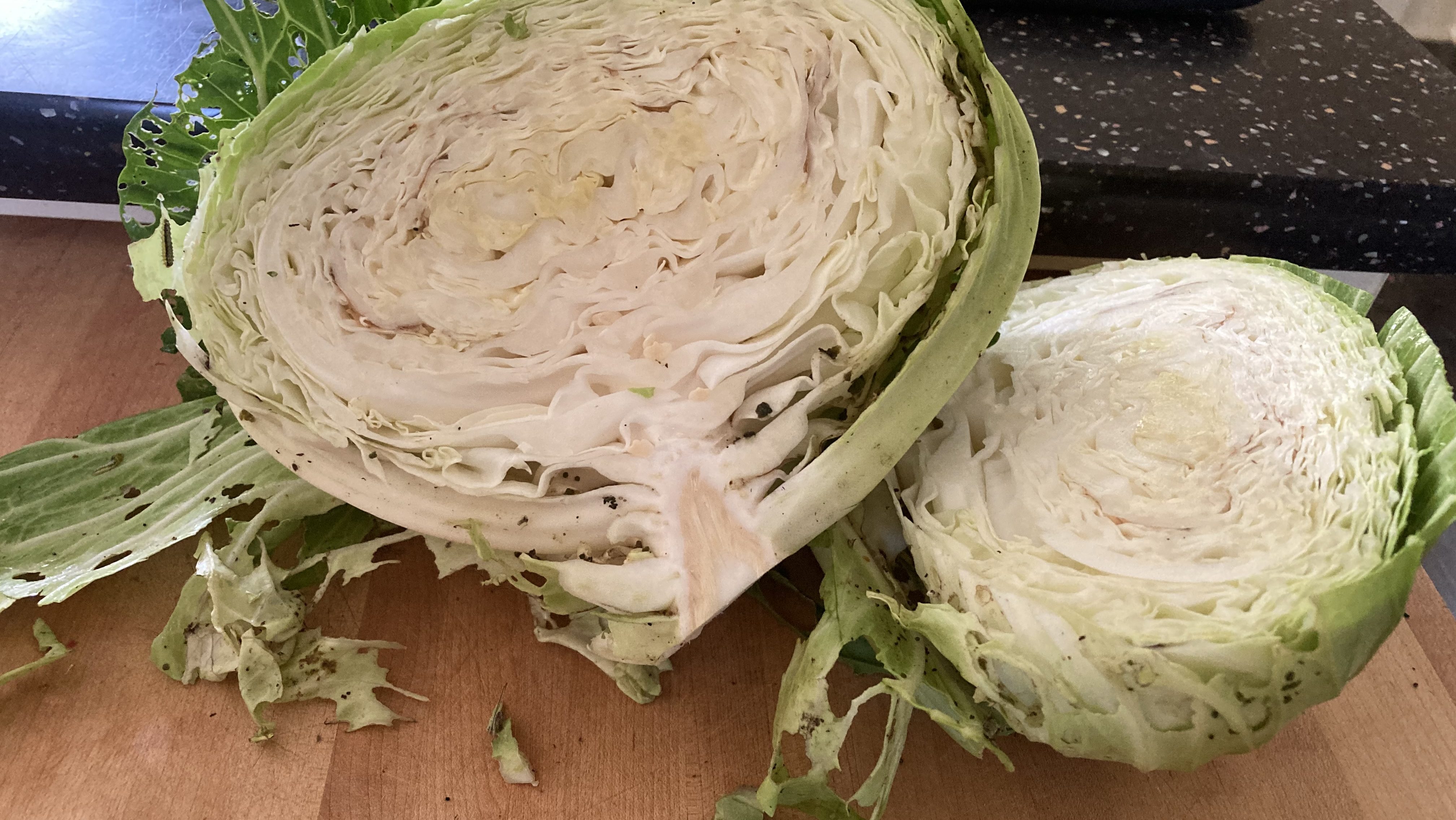
A different case is cabbage. One year I planted cabbage (my first and only attempt to date), which grew into beautiful gorgeous light green cabbage heads. When I picked them and cut into them they had already been claimed by some sort of cabbage worm. Such a drag, I was so excited to harvest my very own cabbage and NOT excited to share.

cabbage with some worm holes visible
cabbage that the worms got to before I did

Writing about it reminds me of a lady I know that planted a beautiful set of raised beds in her backyard one year. She had 6 tall beds and many beautiful ornamental gardens all around her home. They were so impressive and beautifully tended that she opened them for a garden tour one year. On the night before the tour a family of groundhogs found her vegetable garden and absolutely razed every single plant in her boxes down to their nubbins. Completely down to the dirt.

When we garden tourists arrived to her home the next day we were all confused – why did she have all of those empty boxes in her backyard? Oh, well, we said. The rest of the gardens were glorious! …

Well, yeah. Groundhogs like tomatoes, too, it turns out.

I am not sure whether we have groundhogs here… I’ll find out this year I’m sure. In the meantime, though, I’ll be planning my tomato patch with basil to repel flies and hornworms. Rosemary with carrots and green beans to repel root flies and bean beetles, and thyme near my peppers to repel spider mites and white flies… in years past I’ve put some herbs into the vegetable garden but mostly I had an herb garden near the kitchen and veggies out back on a bigger site. I’m changing that now. The kitchen garden will have herbs, flowers and vegetables mixed in together. 

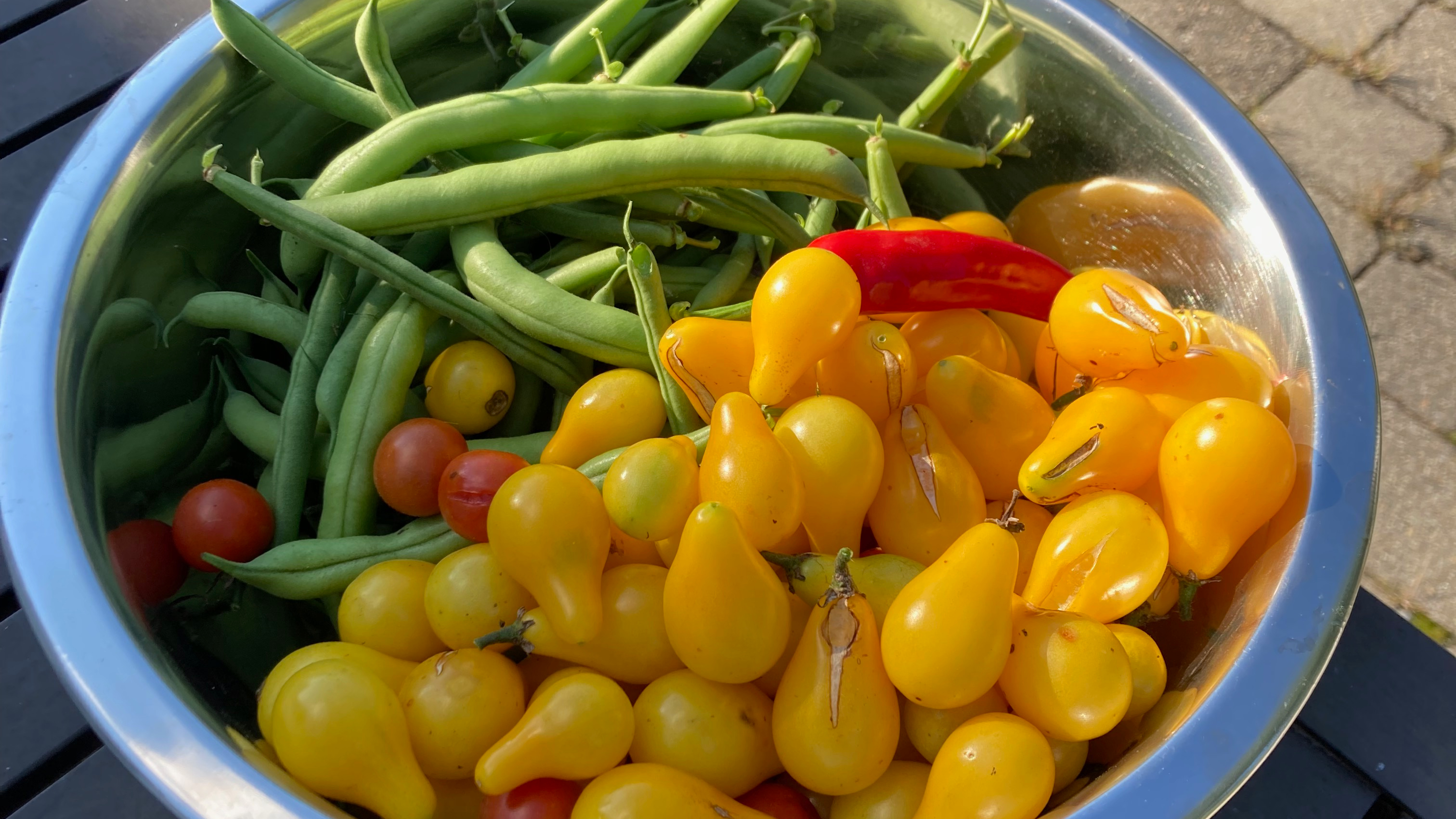
yellow pear tomatoes, green beans, peppers in a bowl
yellow pear tomatoes, green beans and peppers from the garden

Tomatoes with basil and marigolds, broccoli with beets and chamomile, radishes with spinach, lettuce, calendula, and beans, cauliflower with garlic, onions and chives … I’m getting hungry just thinking about it!

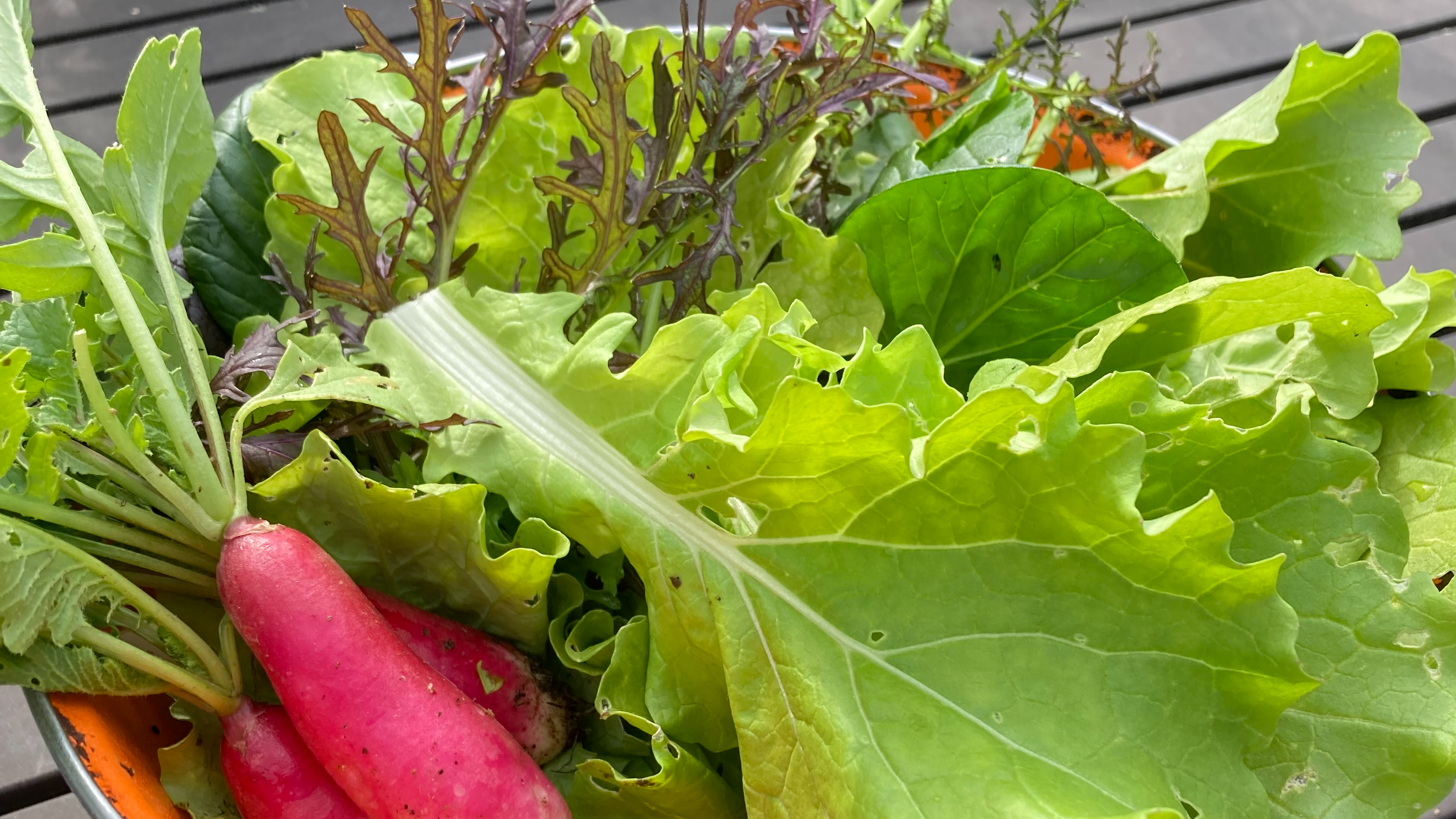
radishes and lettuc etogether
radishes and lettuce grow well together

Leave a comment

Filed under Uncategorized

Flow and Adapt

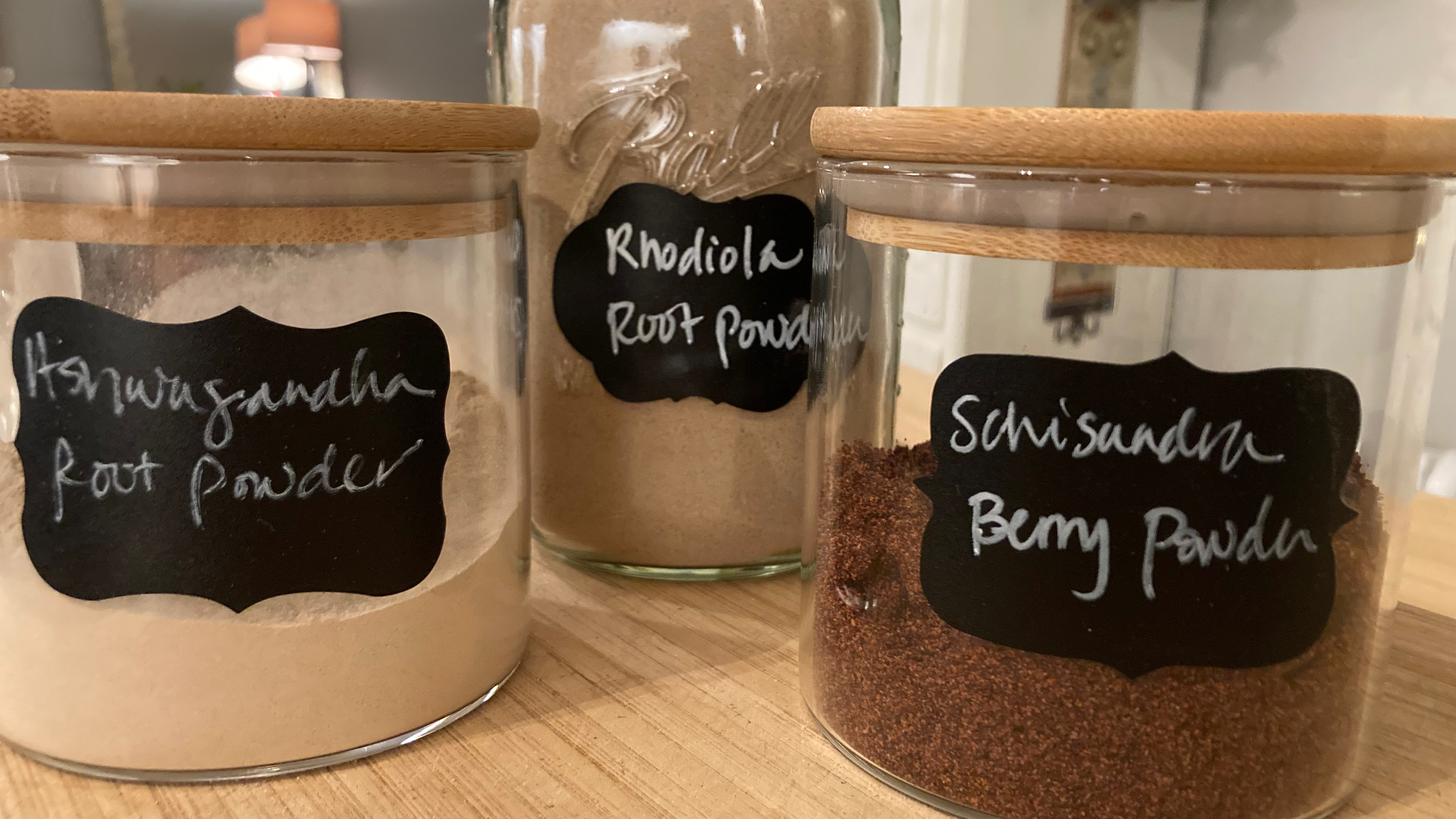
Ashwagandha, Rhodiola root, and Schisandra Berry powders

My son decided to drop out of his college program with approximately one year remaining. He has practical reasons for this, but also, he was stressed out and his health wasn’t benefiting from the lifestyle and pressure he had. One way he chose to address the stress was to buy a bottle of “adaptogens” – capsules filled with Ashwagandha, Rhodiola root, and Schisandra berry. Most of us have heard of adaptogens – plants that help us manage and recover from stress – and Tristan found them to be very useful to him as he tried to balance his full-time course load with a new business that he was trying to get off the ground.  

In my studies, I’ve learned that some producers are sourcing their plant material unethically – many are, in fact – and so I suggested he allow me to make capsules with the same adaptogens in them. This way I was able to ensure the herbs are sourced ethically, which is important to me.

As so often happens, the universe was presenting me with a prompt; I would really benefit from taking adaptogens in, as well! One of my key aims is finding flow during my day. Being “in flow” comes with focus, intention, even meditation, and having a bit of support from one’s parasympathetic nervous system is a like riding a beneficial tide in the right direction! When we are in flow we are channeling creative energy, intuition, and doing our best work.

Along with the bumps, periodic grief and loss, and stresses of life, most of us (myself included) are at least a little overloaded (even strung out) on information overload and the pace of modern living. So engaging a parasympathetic nervous state is seriously helpful to most of us. A few adaptogenic herbal friends that can help with that:

Ashwagandha (withania somnifera) is traditionally an ayurvedic herb, and is a thyroid adaptogen. Not great if you have a hyperthyroid, It stimulates the thyroid, affecting and regulating the adrenals, and increases thyroid hormones that circulate through the body. It’s also anti-inflammatory. It’s beneficial for fatigue and insomnia, encouraging deeper, restorative sleep.

Rhodiola (Rhodiola rosea) has also been used for centuries – since at least 1100 AD – in Scandinavia and Russia, where it thrives in cold climates. It’s root is an adaptogen, containing more than 140 active ingredients, and is used to treat anxiety, fatigue, and depression. It is known to support the immune system, and protect against infection and flu.

Schisandra (schisandra chinensis) is native to asia, an antioxidant known to support endurance and resilience, and protective to the liver. It aids the body in returning to a parasympathetic state, helping to manage stress reactions.

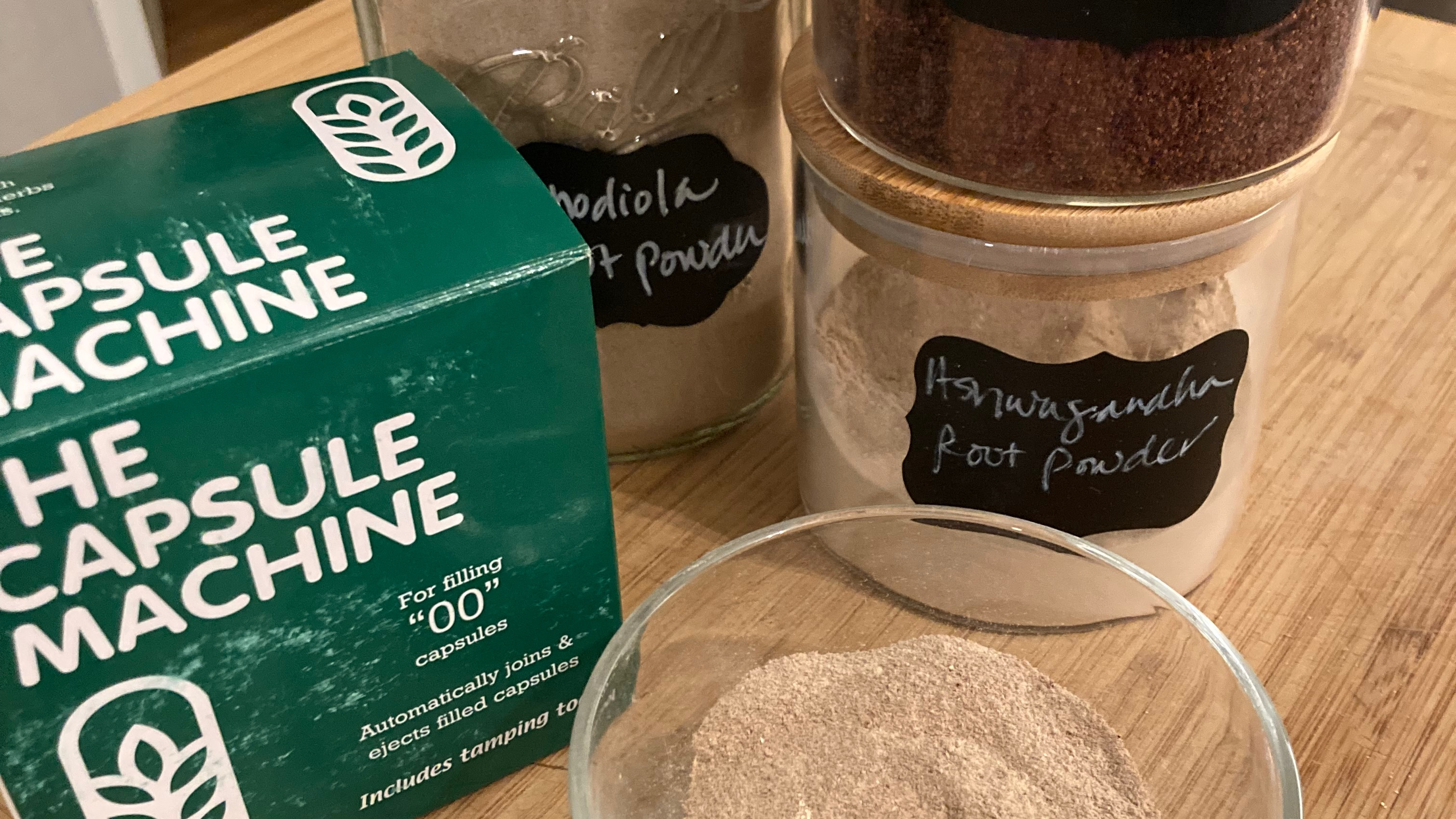
image of capsule machine, mixed ashwagandha, shisandra berry and rhodiola root

There are many adaptogens out there – these are just three that have become popular and have long histories of use.

While you can buy adaptogens in capsules and gummies at pharmacies, it’s not hard to make capsules. This capsule machine and gelatin capsules are readily available to buy online and you can buy powdered herbs from ethical suppliers like Mountain Rose Herbs online.

Wishing you flow, peace, and fun during these lengthening winter days.

Leave a comment

Filed under Herbs and Healing, Uncategorized

Awesome Herbal Burn (or all-purpose) Salve

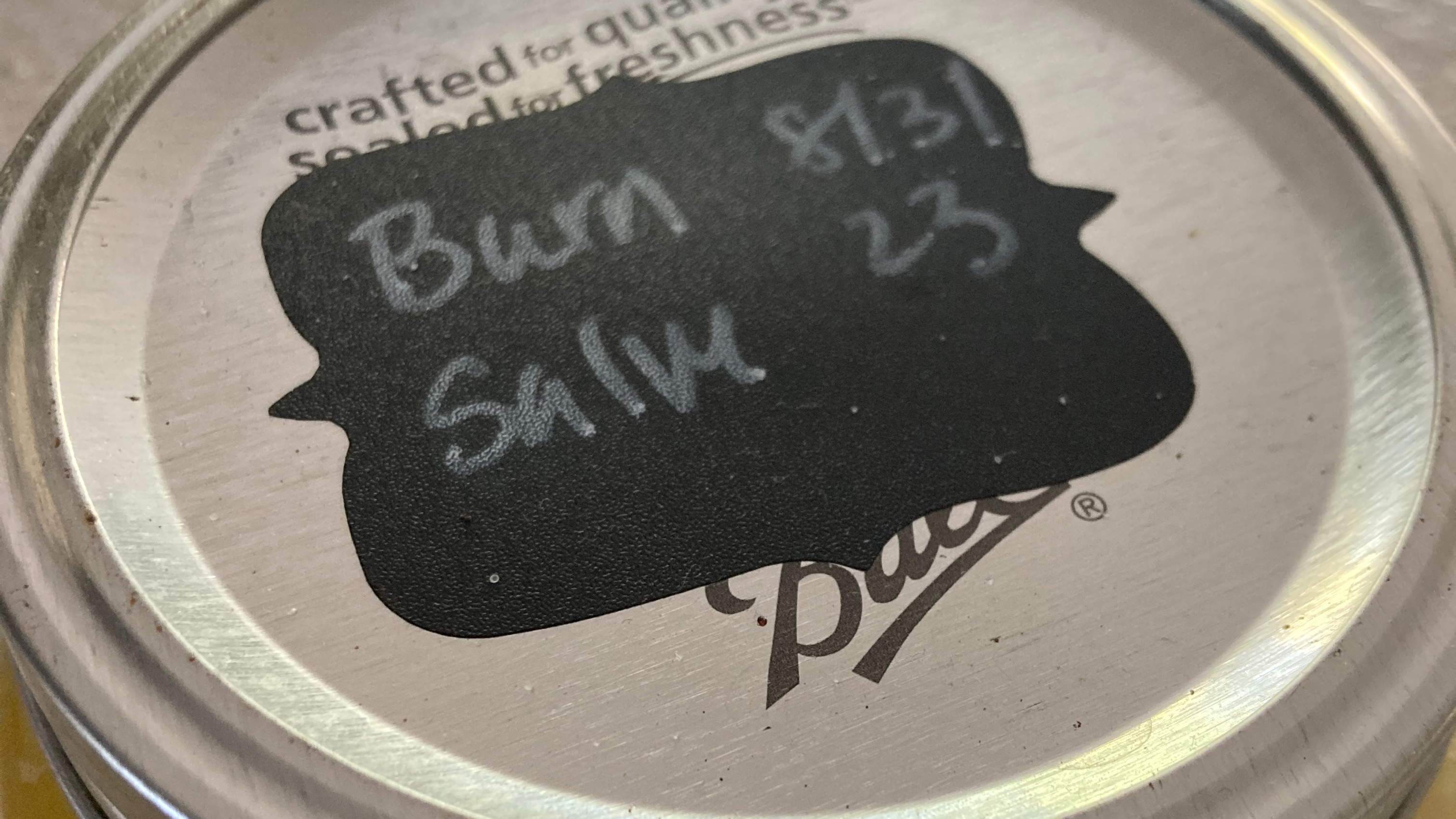
dated burn salve tin label

One night this week I decided to roast some honeynut squash for dinner. We store our cast iron pans in the stove sometimes, and that night that was where they were. Jon started the oven and sometime later we realized the pans were in the oven heating up, so we removed them with hot mitts and went back to slicing squash, listening to Ike Quebec (jazz) and enjoying a glass of red wine.

Predictably, moments later I reached to move the pans aside and, touching the pan handle, burned myself. Sizzle – ouch!

I remembered immediately that this summer during my course in herbalism I made all-purpose (aka burn) salve, and reached into the cabinet for it. After a few minutes of rubbing the salve into my burned skin my hand felt miraculously better.

To be honest I was surprised.

I knew the salve would have healing properties, I knew the the scarring I usually have on my hands after burning myself in the kitchen would likely be far less angry and noticeable. But I didn’t expect that the salve would stop the pain. I was astonished that it did. By the time we sat down to dinner I didn’t have any pain.

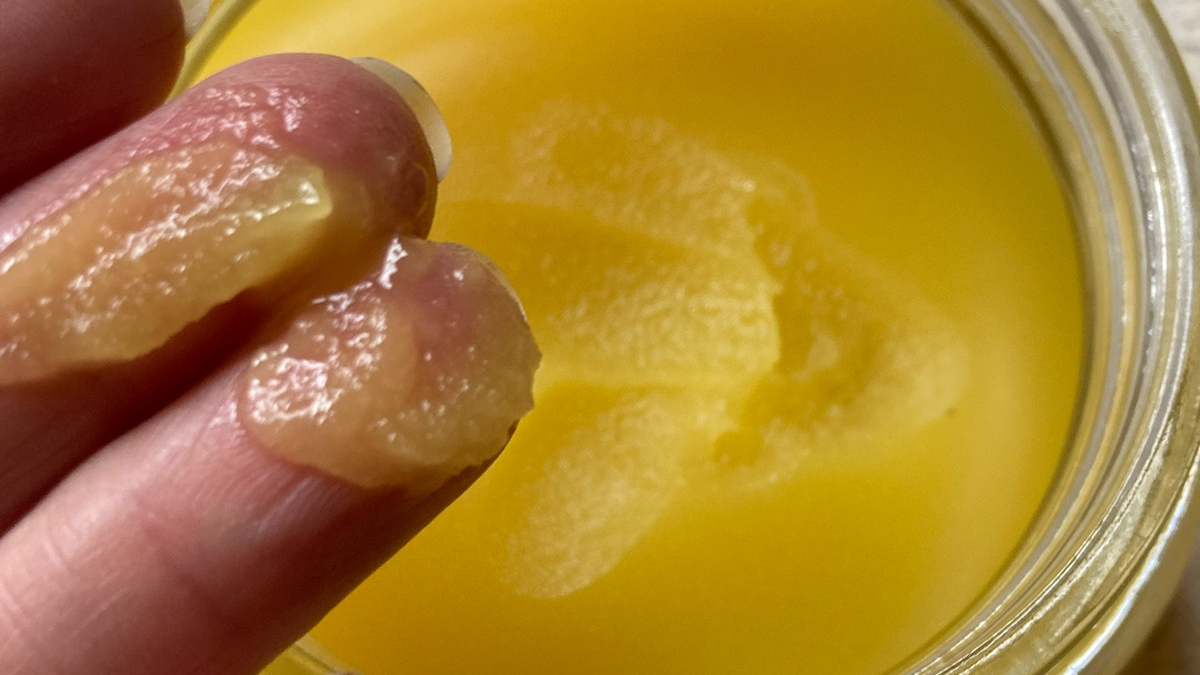
the salve consistency shown in jar and on fingers

Rosemary Gladstar, who shared this recipe in an herbalism class I took this year, says that this salve is an all-purpose salve and can be used for rashes, cuts, wounds, even diaper rashes. I made it for myself as a burn salve – I knew it would come in handy.

In the past I have tried other burn remedies from the pharmacy — cooling sprays, antibiotic pain relieving creams … and of course running burnt skin under cold water. Always I’m left with a day or two of burning pain and a blister or mark that lasts days or weeks. Not this time.

I did run some cold water over the burn immediately, and only for a moment, before applying the salve, but the salve made all the difference. So I want to share how to make it for other cooks who, like me, sometimes burn themselves in the kitchen, or for anyone that’s looking for an honest and effective skin salve. Enjoy!

Rosemary Gladstar’s All-Purpose (aka Burn) Salve recipe

1 part st. john’s wort leaf and flower

1 part comfrey leaf

1 part calendula flowers

olive oil (or sunflower oil)

beeswax

Step 1: Place each of the herbs in a glass jar and cover with 1-2 inches of oil. Place in a sunny window and let infuse for 2-3 weeks (I left mine a little longer). Strain and rebottle. label and date.

To make the salve strain the oil. For each cup of herbal oil add 1/4 cup beeswax. heat the oil and beeswax together over very low heat to melt the beeswax. The beeswax will thicken as it cools.

To check for firmness do a quick consistency test: place 1 tablesppon of the mixture in the freeze for a minute or two. check to be sure its the firmness you want. For harder salve, add more beeswax, for softer salve, add more oil.

When you are happy with the consistency of the salve remove from heat and pour into glass jars or tins. Store in a cool dry place.

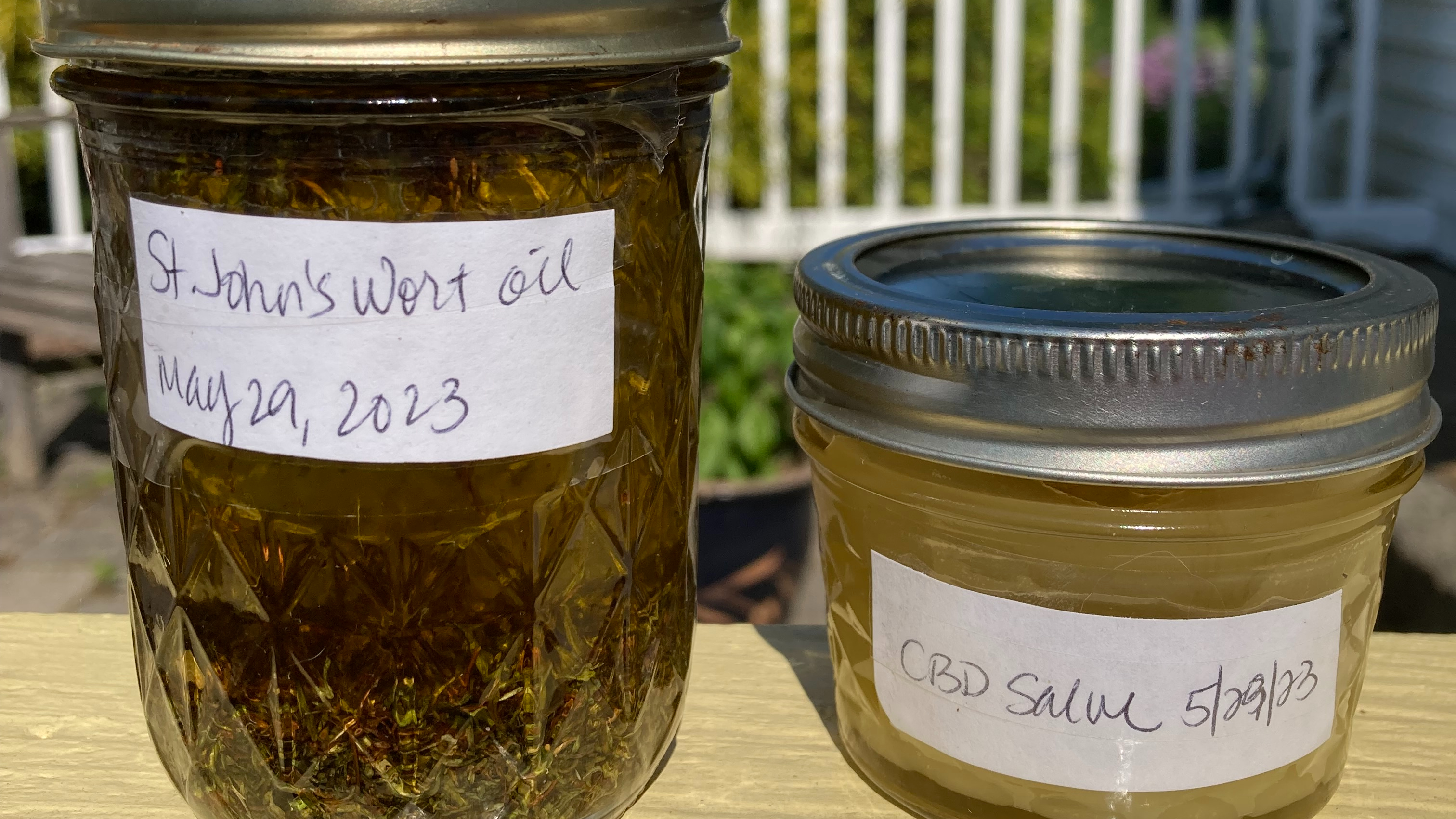
freshly jarred st johns wort oil and cbd salve

Please feel free to send me any questions you have about the salve or the process of making it!

Leave a comment

Filed under Uncategorized

The Remembering

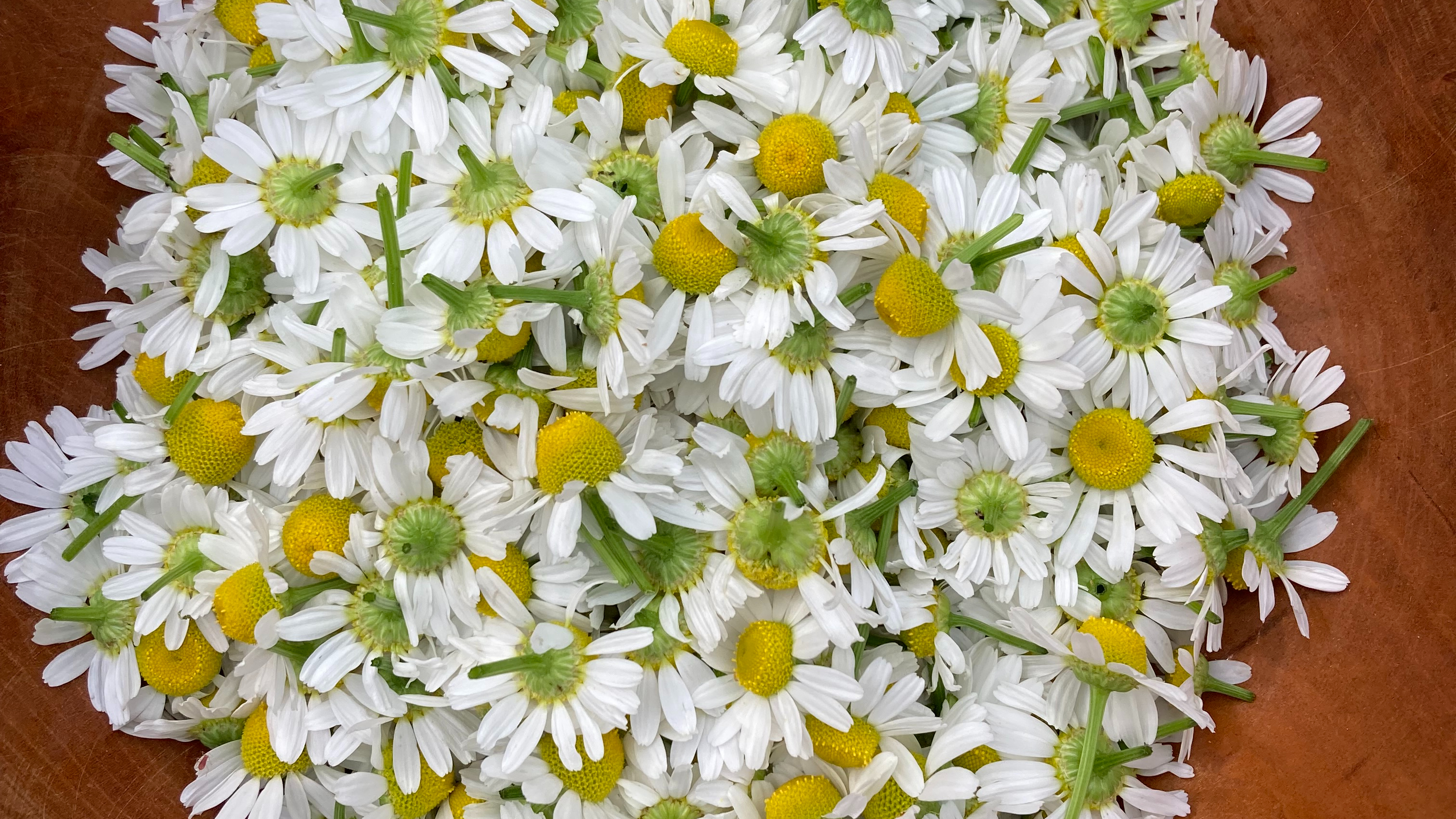
Harvested Chamomile flowers

Medicine as an art and science holds us all in a little bit of awe. The ability to heal — whether it’s a broken bone, chronic pain, or heart condition — commands a kind of respect and reverence from most of us that few professions outside of medicine enjoy.

We entrust our medicine, mostly, to our doctors, who in turn practice a kind of allopathic medicine that focuses on drugs, radiation, surgery, and other interventions for acute problems, often to life-saving effect.

Short of needing treatment for acute problems, though, we have what some call “the people’s medicine.” Things like fatigue, pain, constipation, depression, and other conditions may require allopathic intervention, and/but we also have the means to provide ourselves with support and encourage healing and well-being using foods and plants that come from the land, are gentler, and are more based in simple plant medicine.

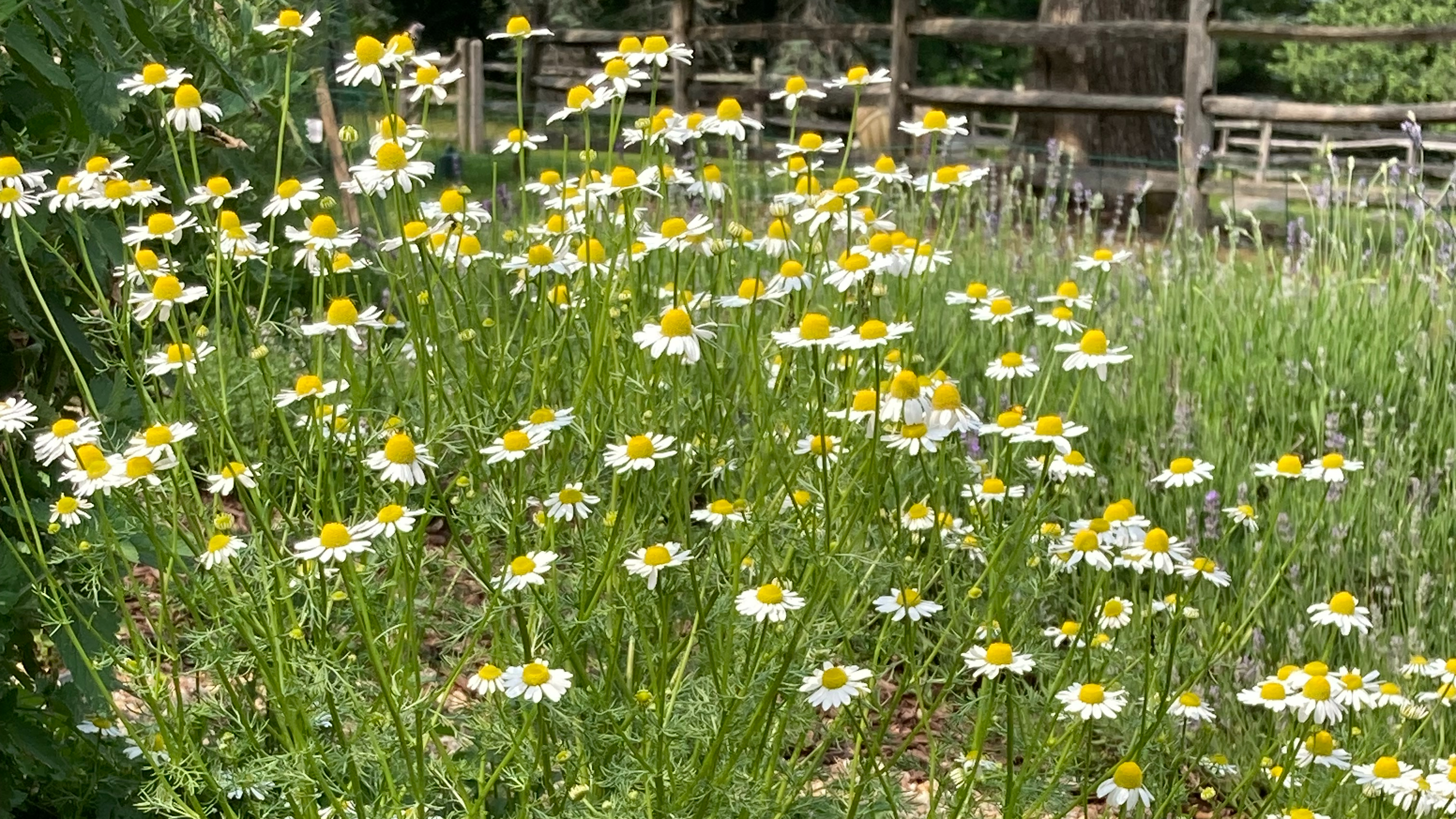
I bought chamomile seeds last year, spread them in the garden, and watered them. German chamomile is easy to grow and I soon had a pretty patch of chamomile flowers. I admired them but I didn’t cut them. I was too busy working my corporate job, taking care of the family. But also, I was acquainting myself, learning about the chamomile.

They self seeded and again – miraculously, I felt – I have a beautiful patch of chamomile in about the same place as they grew last year. This year is different, though. I felt like we’ve been introduced, like we are friends, like they’d come back because they like me. And I felt comfortable asking for some flowers.

chamomile growing in my herb garden

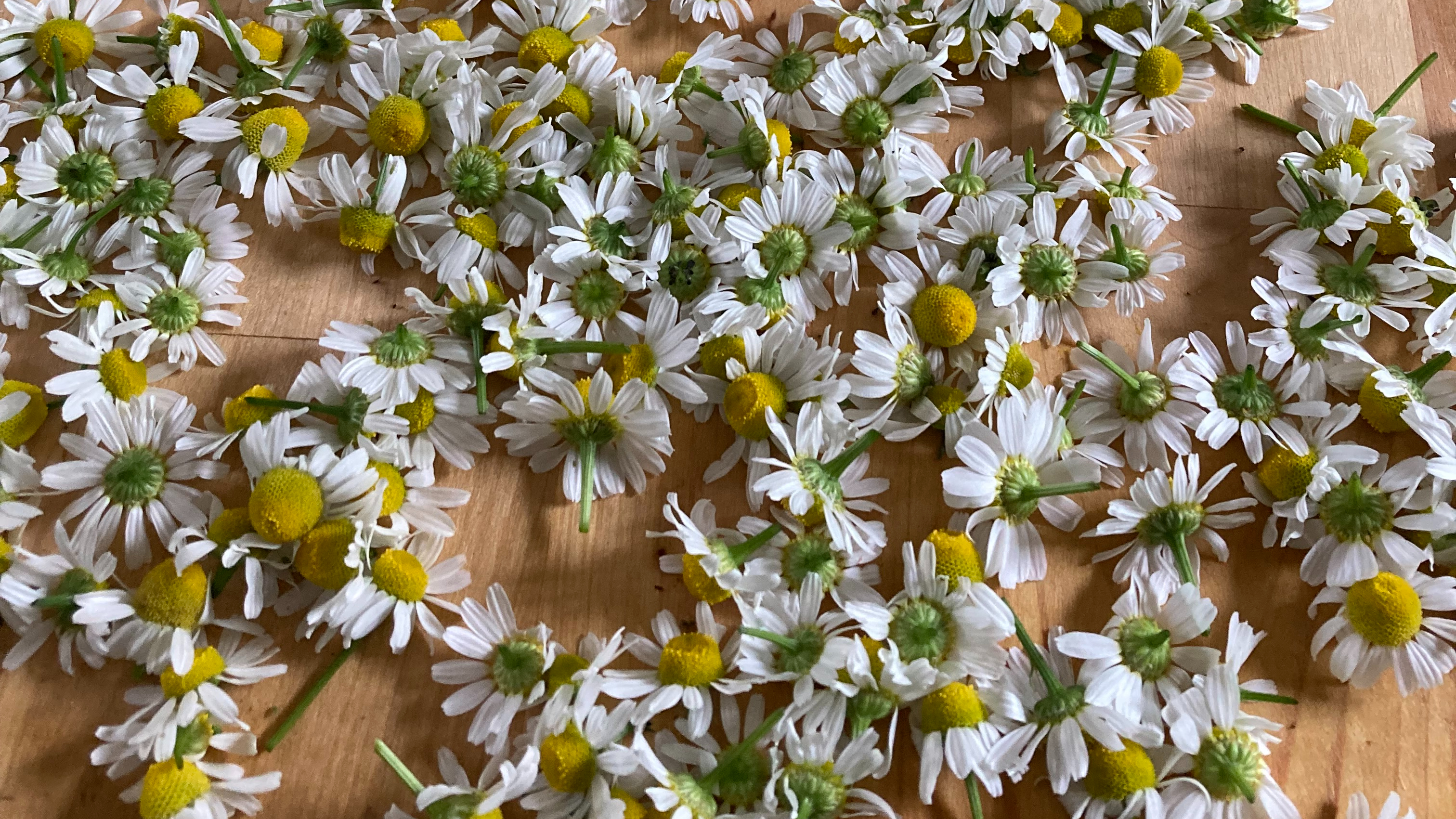
The photo at top was taken just after cutting some of the flower heads the week before last. It’s not easy! Leaning over a patch of chamomile and carefully cutting the flowers into a bowl takes some back strength! But I had a bowl of beautiful, delicate flowers to show for my efforts when I was done. Here they are drying on a board:

Dried, they make a lovely tea that encourages relaxation and sleep. I’m often pretty tense and find sleeping hard. But on the nights I made myself a cup of this tea I slept a lot better. I was more relaxed and felt better in general. And chamomile helps reduce inflammation, which I’ve had in my knee, lately, and which seems to be improving.

I realized, cutting the flowers and drinking them as tea, that somehow the whole thing was very familiar, like I remembered the experience rather than discovered it new. The taste and affect of the tea was the same – as if I’ve felt and tasted this before. It was a more intense relaxation and rest than the chamomile tea I’ve purchased, and that felt familiar, too. Like medicine.

I have begun to learn about herbalism. The teachers I’ve met so far say that if you’re called to this discipline it’s more of a remembering than a learning.

I think they are right.

1 Comment

Filed under Uncategorized

Versatile and Beautiful Lavender

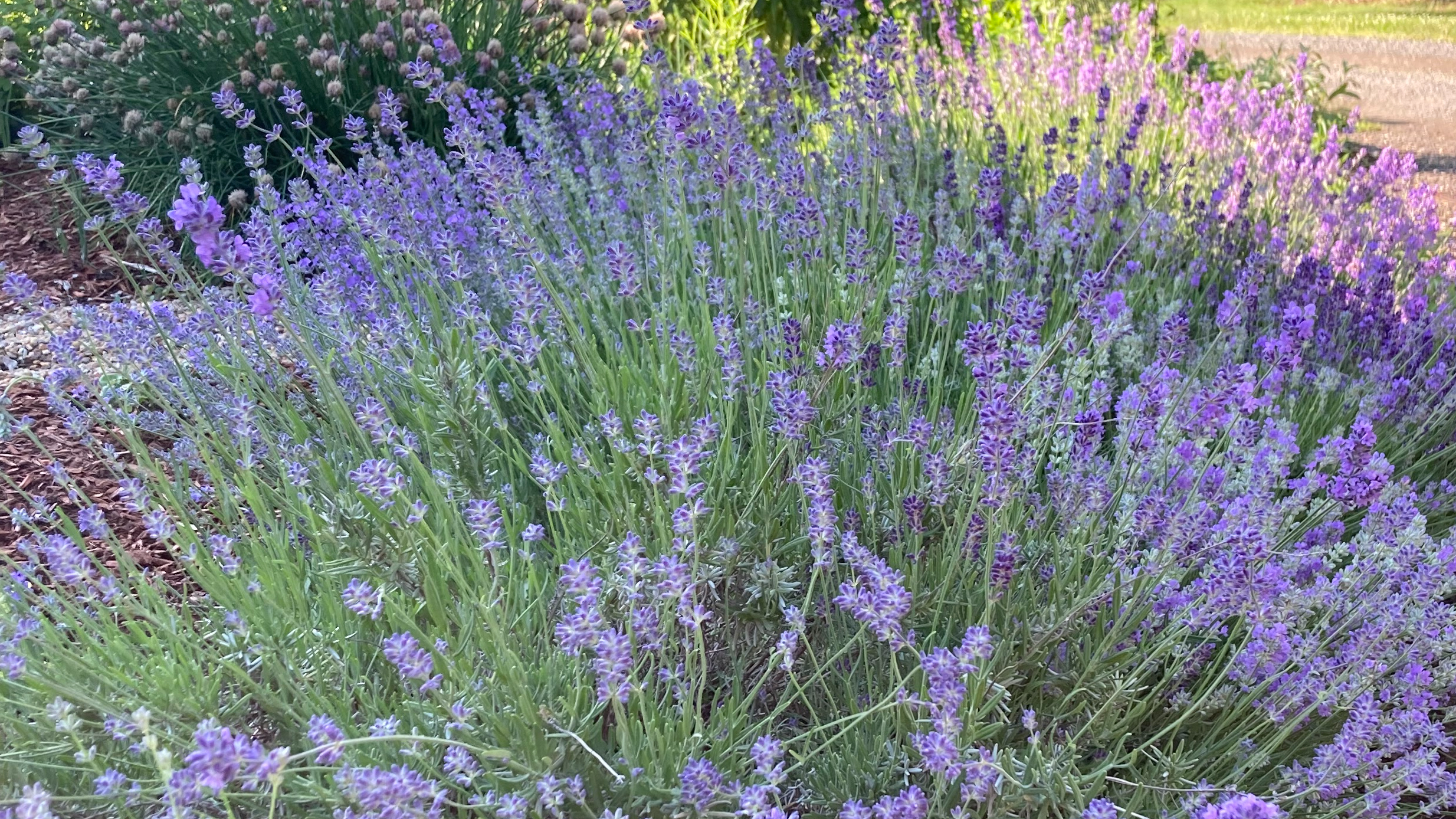
Summer Lavender Grosso

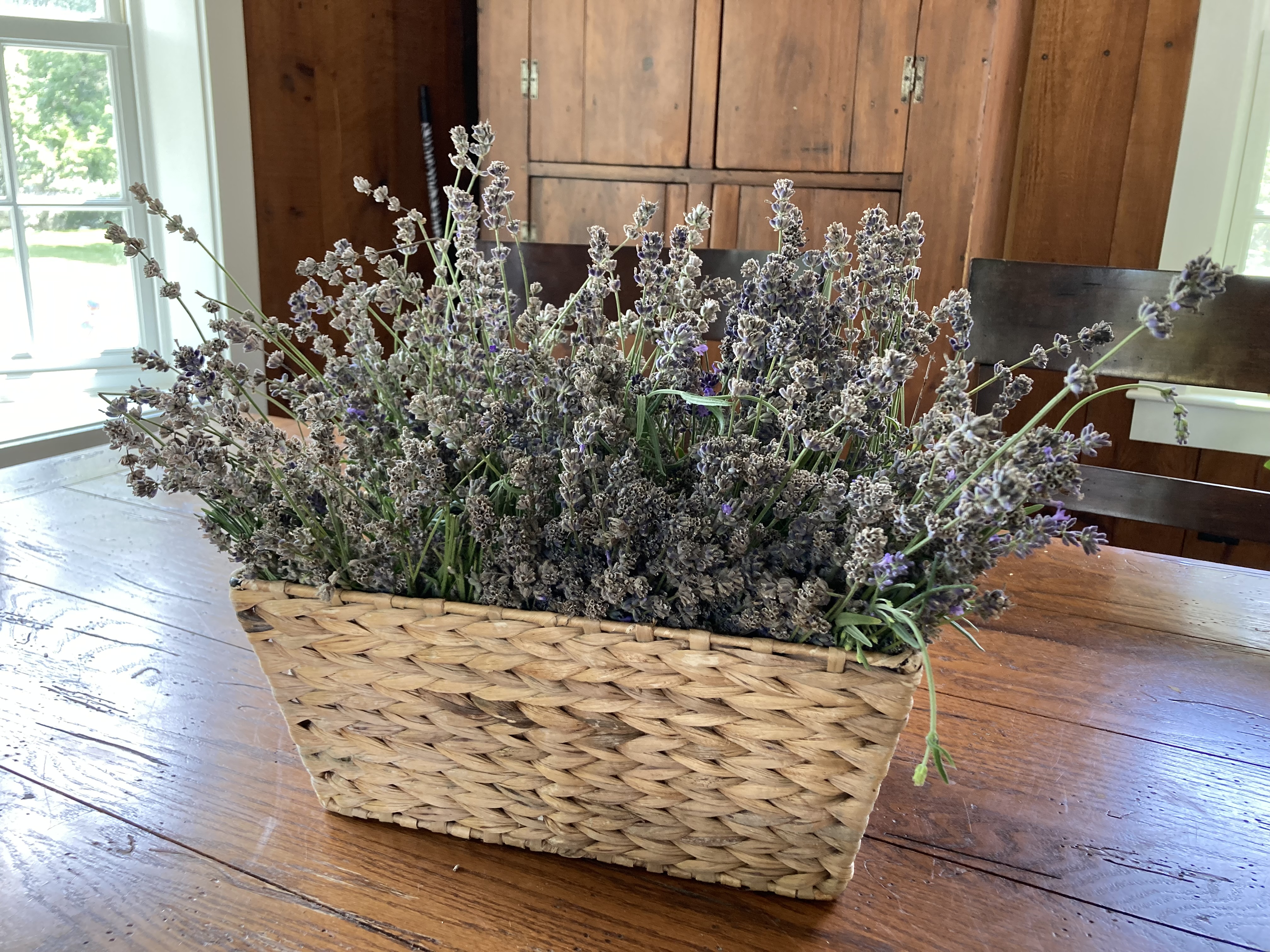
Above, a hedge of lavender next to my driveway popped into glorious fragrant bloom in June. I don’t know who was more excited – me or the bumble bees.

I can never bring myself to cut the flowers while they are in full bloom – the sun on the flowers is too glorious. But when they’ve passed their prime they still cut beautifully and are wonderfully fragrant.

Cut lavender fills the kitchen with fragrance

When my son’s girlfriend saw my giant pile of cut lavender she immediately thought of lavender lemonade, and took a handful to make lavender syrup. It was delicious.

Easy to grow and easily available, lavender will grace your garden, attract pollinators, and is truly a sensory joy. Lavender is drought tolerant, does well in zones 6-10.

Leave a comment

Filed under Uncategorized

Mary has left us – we will miss you

The Uses of Sorrow

(In my sleep I dreamed this poem)

Someone I loved once gave me a box full of darkness.

It took me years to understand that this, too, was a gift.

Mary Oliver

Leave a comment

Filed under Poetry, Uncategorized

Hawaiian Sunrise

IMG_20160214_113623958

6:30 AM in Hawaii.
Birds in a giant tree to the left of the villa sing to greet the rising light …. another one – larger, louder- pipes up just to the east; I think he’s on the jetti below my lanai

but he is invisible to me except for his clear, determined voice.  I wonder if he will do this tomorrow.  If he did this yesterday.

Watching the cool morning light stretching up toward the last star shimmering in a periwinkle sky,

now sinking into a dusty pink, then to a sunrise-to-the-east yellow, like cream on clouds that rest on the horizon …

is healing, full of grace.

In the dark below, a small fishing boat pulls away from its dock, gliding silently along a jetti.

Sipping coffee, I watch as it moves toward the sea.

Jetti locataires- palm trees and flowering bushes – are watching, too.

We watch together.  The little boat reaches the ocean and shrinks away.

Inevitably the light pushes up, drowning the star and it’s periwinkle sky.  Boats appear in lit slips, now visible, and the sun appears, looking more majestic than I remember it.

IMG_20160214_120617787

I must be in paradise.

Leave a comment

Filed under Poetry, Uncategorized