Tag Archives: #wellness

Herbal Remedy for Colitis/IBS/gut inflammation

Some time ago a friend approached me about his case of chronic colitis. Which is to say — he has had it for a long time and it’s pretty miserable, and did I have any suggestions?

Off the top of my head, other than demulcents, which are mucilaginous herbs that coat and soothe inflamed or irritated membranes, I did not. But I did a bit of reading and found that there is an herbal formula that has been used for IBS and similar problems related to the digestive system for a long time with good results, and has been adapted for use with modern constituent derivatives, etc. Looking at the ingredients list, it seemed to me that the formula addresses inflammation and virus in the gut. None of the ingredients had contra-indications that discouraged me, though these are definitely medicinal, rather than tonic herbs. By that I mean that these herbs are known to have powerful and immediate effects, as opposed to herbs that are gentler and can be taken daily and indefinitely. 

I decided to make the traditional formula myself and share it with him. 

There are versions of the formula that can be purchased online and have been modified from the traditional version by their makers, but I found an “original” formula that did not include derivative compounds, and purchased those herbs.

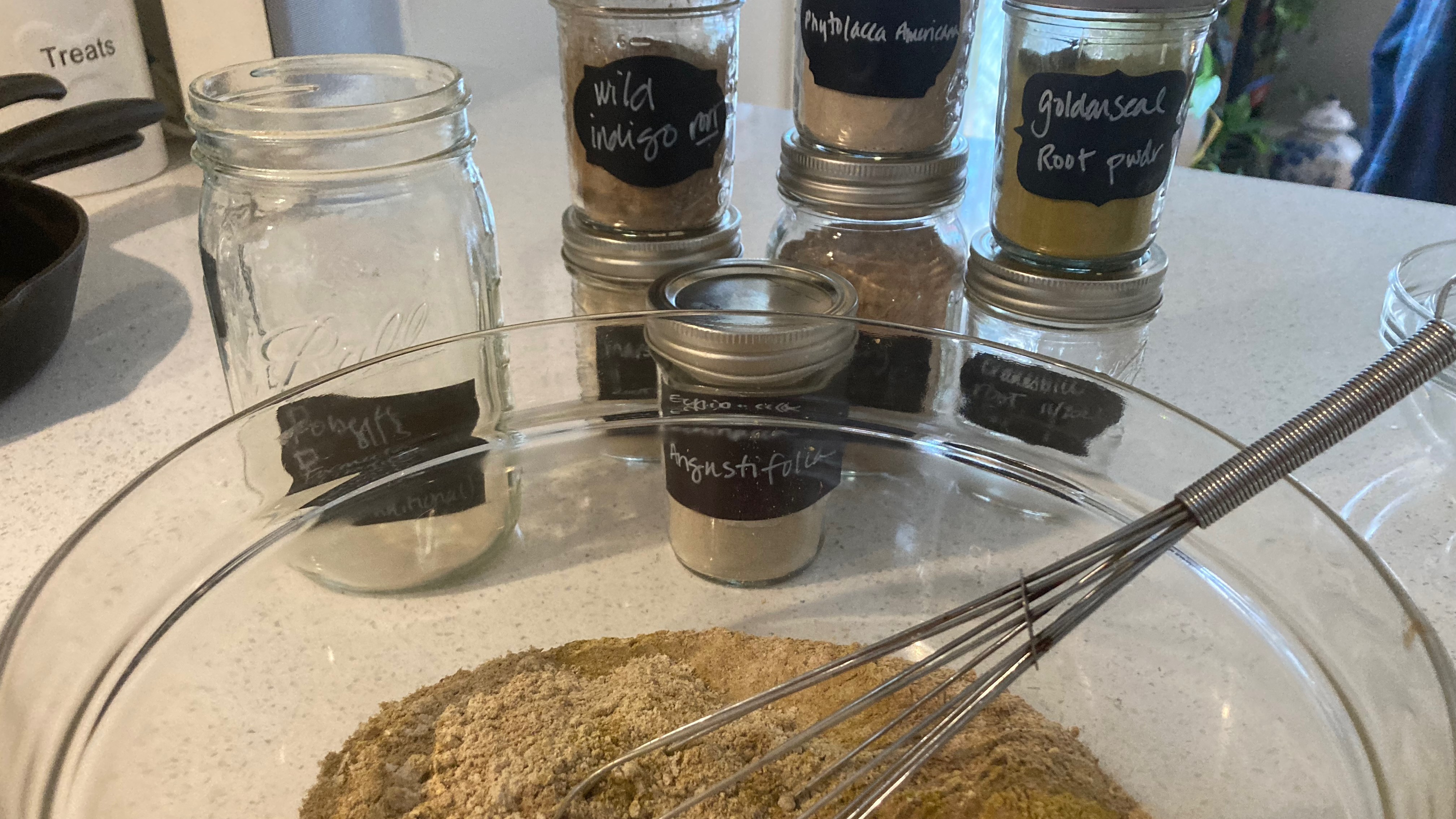
a mixing bowl of herbs flanked by jars of each type that appear in the bowl.
the individual ingredients in Roberts formula pictured here and combined at front in a mixing bowl before encapsulating

I will give away the ending before continuing this story: this formula worked for him. It corrected a chronic and persistent case of colitis that had been present for over a decade in a matter of weeks. 

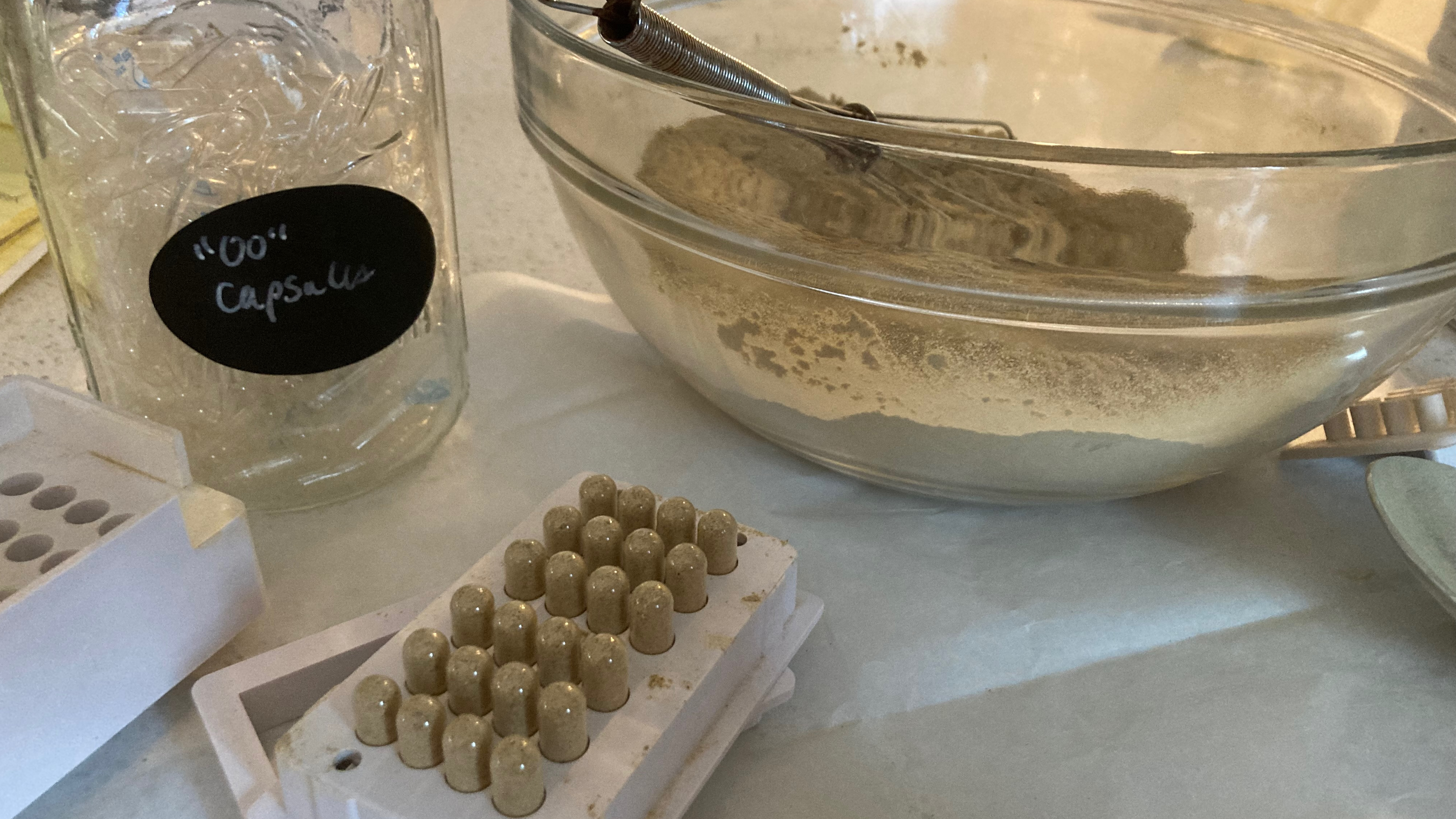
encapsulating Robert’s Forumula

When the herbs arrived I had to grind some in order to be able to compound them, so I spent a Saturday morning grinding and combining them in equal parts. The old formula did not specify the quantity or ratio of each herb. I know from my herbal studies that often we combine in equal parts unless we know an herb (like cayenne or in goldenseal, for example) should be used more sparingly. I made the decision to combine them in equal parts.

The ingredients in the formula I made: Purple Coneflower root (Echinacea angustifolia), Marshmallow Root (Althaea officinalis), Wild Indigo Root (Baptisia tinctoria. note here the original called for a different genus – Baptisia australis, but the tinctoria was available and I judged the substitution to be fine), Slippery Elm Bark (Ulmus rubra), Poke Root (Phytolacca americana), American Cranesbill Root (Geranium maculatum), Goldenseal Root (Hydrastis canadensis. A note, this is an endangered species at this time so I was careful to order it organically cultivated. Please don’t buy this wildcrafted.)

We know that herbs are the original medicine of the people, and that they are powerful and effective, but I was surprised at how quickly and effectively this formula worked because traditional allopathic medicine had tried and failed to treat him. The truth is that allopathic medicine often is more quickly effective for some things – for killing pain, for example. But in this case these herbs, which are whole foods, worked with his body to remedy a problem that had been serious and persistent for many years, and had not been treatable with allopathic medicine.

Some of the versions of this formula you can buy are liquid and arguably more easily absorbed. I felt that in this person’s case the ease of the capsules would help ensure he’d take them, and the pure nature of the herbs compounded together with no “carrier” ingredients (tincture or syrup) felt intuitively right and was more accessible to me. 

If you have questions about this please feel free to reach out to me. I’m not a doctor, just a simpler herbalist, but I felt sharing this was important because of the profound effect it had for my friend , and I know that many people have similar digestive problems. 

Wishing you wellness.

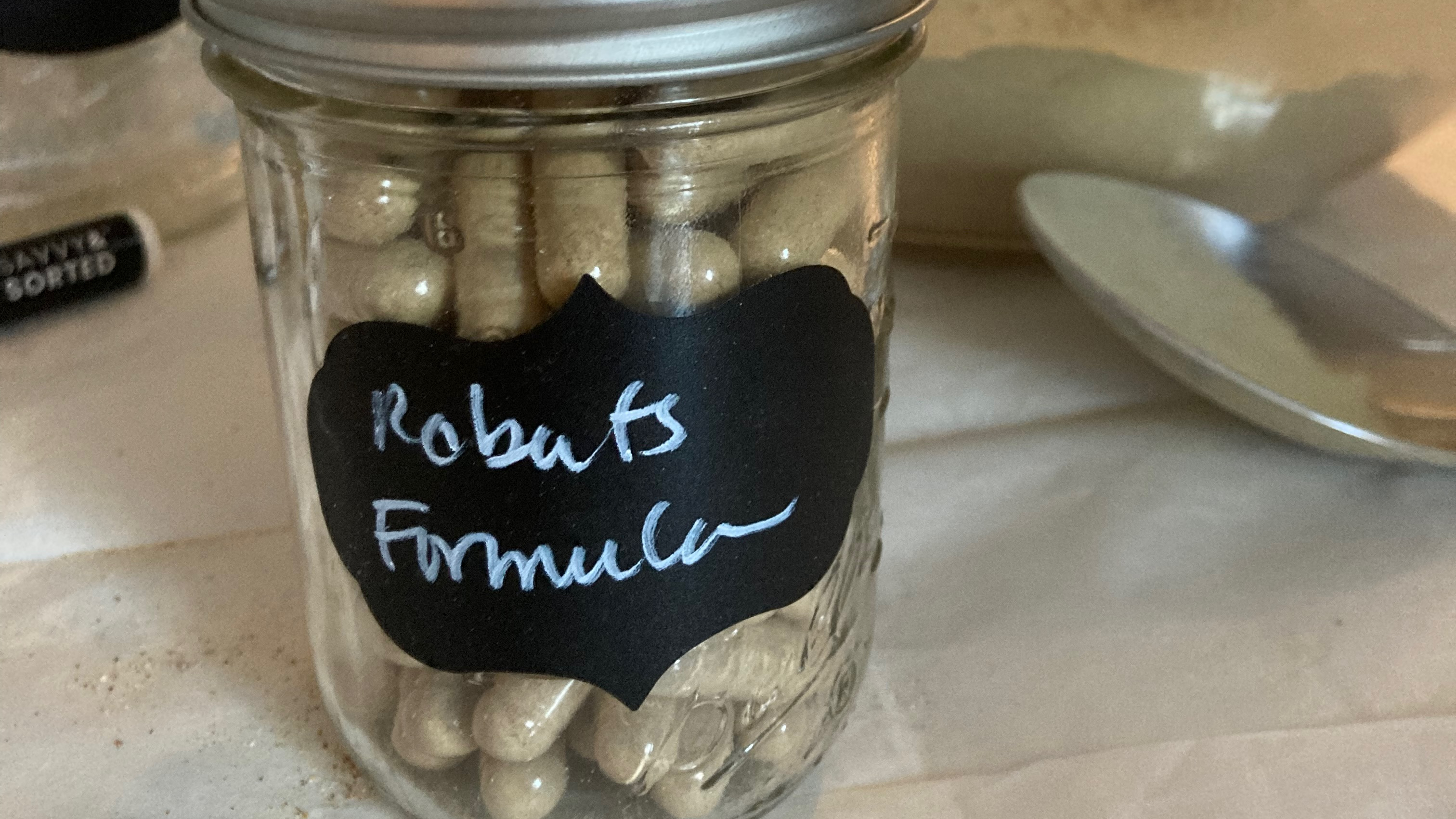
Finished Roberts Formula capsules

Leave a comment

Filed under Uncategorized

Flow and Adapt

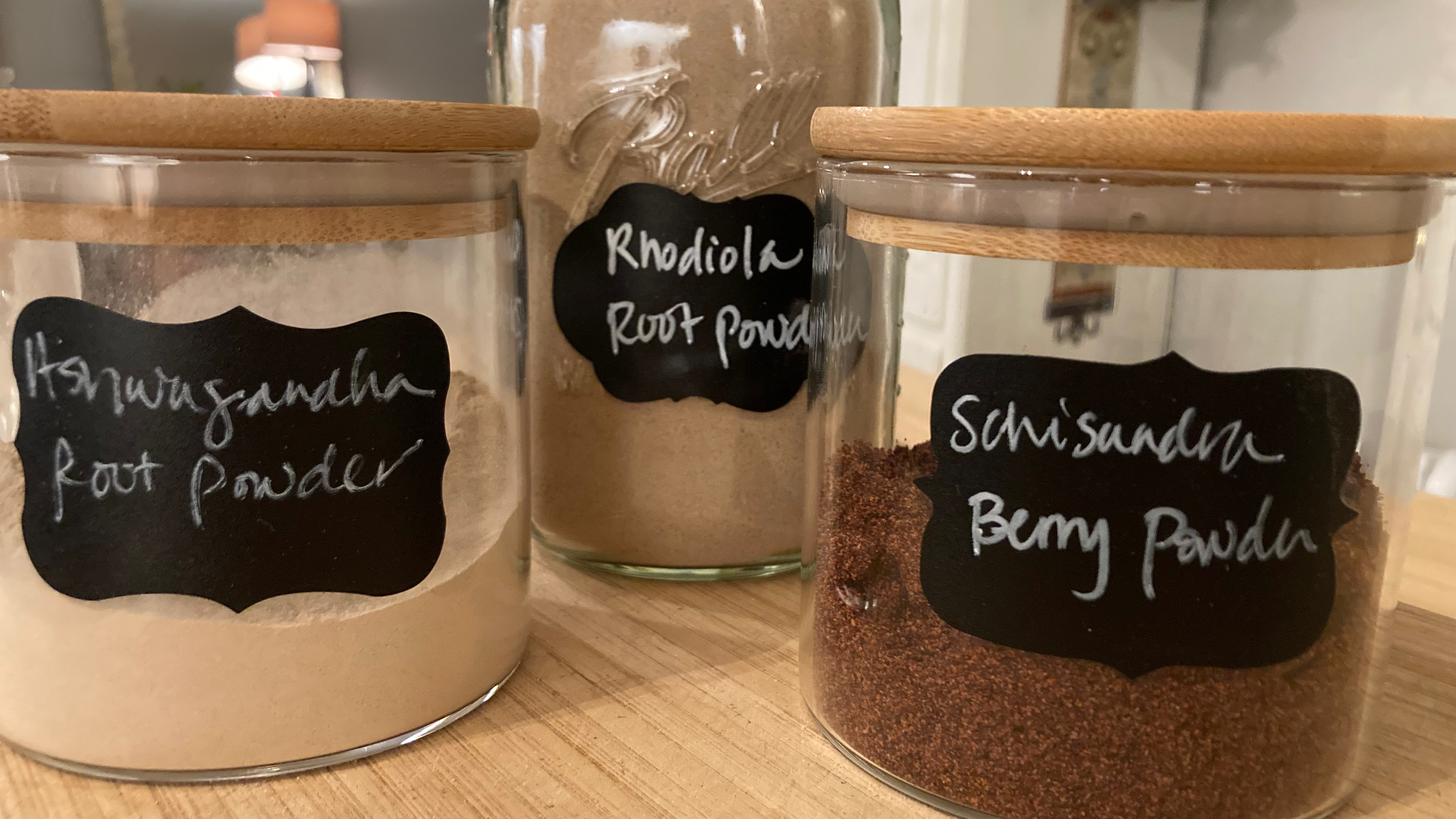
Ashwagandha, Rhodiola root, and Schisandra Berry powders

My son decided to drop out of his college program with approximately one year remaining. He has practical reasons for this, but also, he was stressed out and his health wasn’t benefiting from the lifestyle and pressure he had. One way he chose to address the stress was to buy a bottle of “adaptogens” – capsules filled with Ashwagandha, Rhodiola root, and Schisandra berry. Most of us have heard of adaptogens – plants that help us manage and recover from stress – and Tristan found them to be very useful to him as he tried to balance his full-time course load with a new business that he was trying to get off the ground.  

In my studies, I’ve learned that some producers are sourcing their plant material unethically – many are, in fact – and so I suggested he allow me to make capsules with the same adaptogens in them. This way I was able to ensure the herbs are sourced ethically, which is important to me.

As so often happens, the universe was presenting me with a prompt; I would really benefit from taking adaptogens in, as well! One of my key aims is finding flow during my day. Being “in flow” comes with focus, intention, even meditation, and having a bit of support from one’s parasympathetic nervous system is a like riding a beneficial tide in the right direction! When we are in flow we are channeling creative energy, intuition, and doing our best work.

Along with the bumps, periodic grief and loss, and stresses of life, most of us (myself included) are at least a little overloaded (even strung out) on information overload and the pace of modern living. So engaging a parasympathetic nervous state is seriously helpful to most of us. A few adaptogenic herbal friends that can help with that:

Ashwagandha (withania somnifera) is traditionally an ayurvedic herb, and is a thyroid adaptogen. Not great if you have a hyperthyroid, It stimulates the thyroid, affecting and regulating the adrenals, and increases thyroid hormones that circulate through the body. It’s also anti-inflammatory. It’s beneficial for fatigue and insomnia, encouraging deeper, restorative sleep.

Rhodiola (Rhodiola rosea) has also been used for centuries – since at least 1100 AD – in Scandinavia and Russia, where it thrives in cold climates. It’s root is an adaptogen, containing more than 140 active ingredients, and is used to treat anxiety, fatigue, and depression. It is known to support the immune system, and protect against infection and flu.

Schisandra (schisandra chinensis) is native to asia, an antioxidant known to support endurance and resilience, and protective to the liver. It aids the body in returning to a parasympathetic state, helping to manage stress reactions.

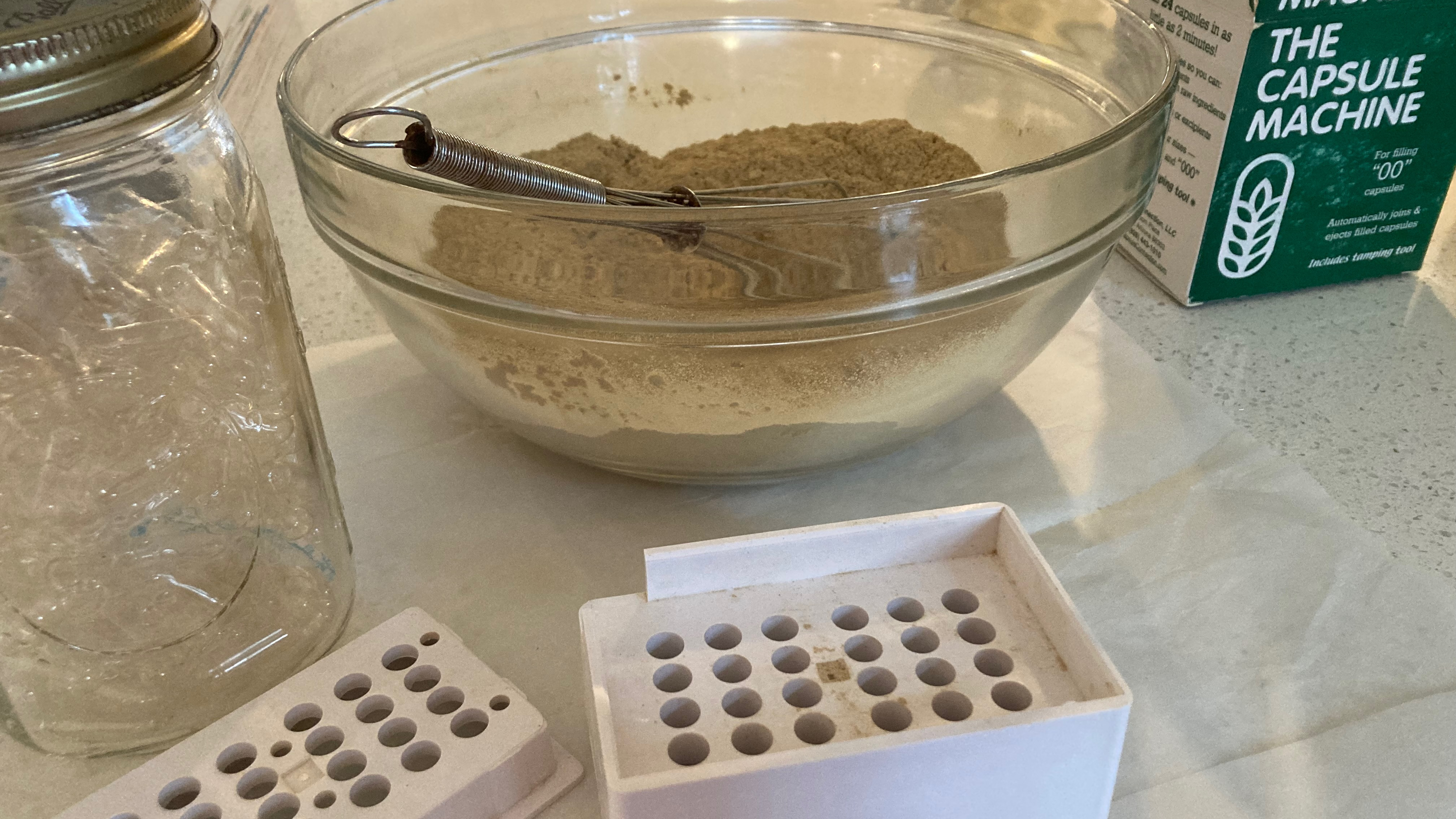
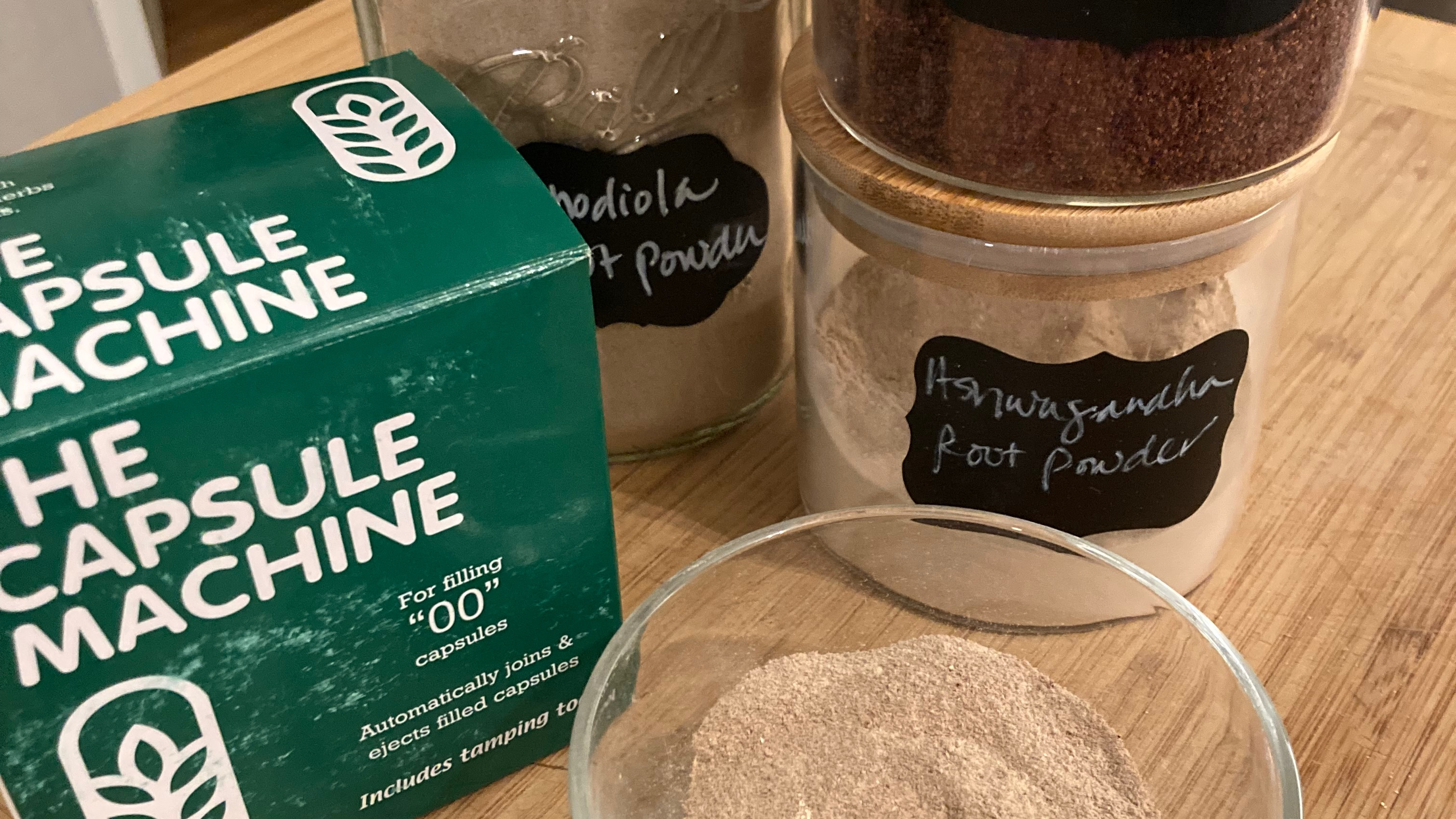
image of capsule machine, mixed ashwagandha, shisandra berry and rhodiola root

There are many adaptogens out there – these are just three that have become popular and have long histories of use.

While you can buy adaptogens in capsules and gummies at pharmacies, it’s not hard to make capsules. This capsule machine and gelatin capsules are readily available to buy online and you can buy powdered herbs from ethical suppliers like Mountain Rose Herbs online.

Wishing you flow, peace, and fun during these lengthening winter days.

Leave a comment

Filed under Herbs and Healing, Uncategorized

Houseplants Make Good Company

There’s something about the word houseplants that makes me think of macrame hangers from the 70s (now enjoying a return) and my mother’s gigantic spider plants hanging in the window. But really, they’re cool. Stick with me for a minute and I’ll tell you what I mean.

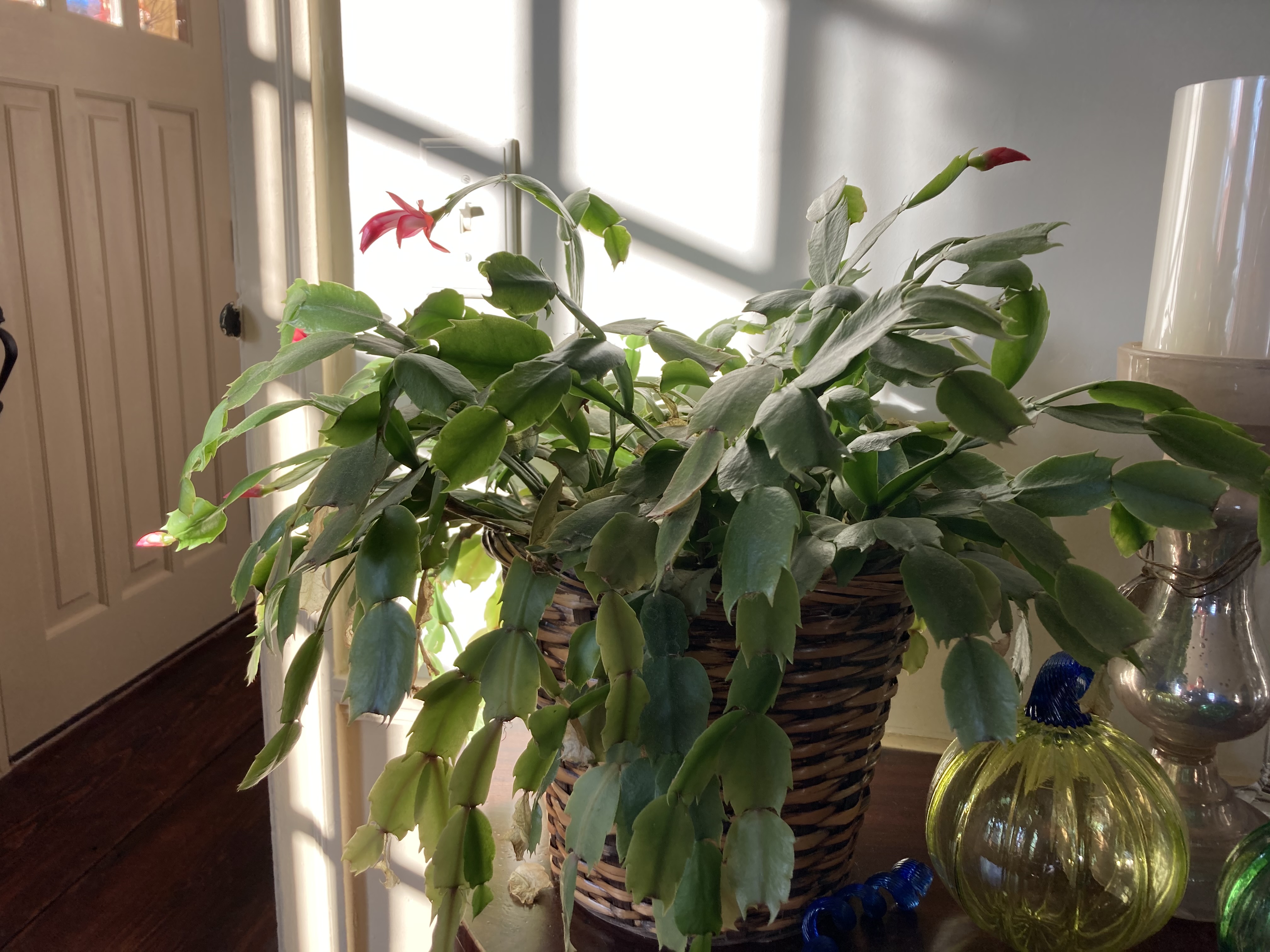
indoor garden plant: cactusia noelica indoorica

This Christmas Cactus was discovered lying on it’s side on the floor of a Walmart at Christmas time. One night after work I stopped on my way home from the office to shop for some ornaments. I wanted to decorate the first Christmas tree I would have living on my own after finishing college and moving into an apartment.

I had a big cart and was wheeling it around looking at boxes of glass ornaments, and strings of tinsel … there was Christmas music playing and I was feeling like I’d rather be in a cute little boutique shopping for ornaments than a grey, cavernous Walmart. But such was my budget.

Anyway, there it was on the ground in the middle of the aisle, potting soil spilling out of it’s broken pot: A little Christmas Cactus. I bent to pick it up and replace it on it’s shelf and noticed the potting soil was so dry it was like a weightless brick. I could hear it begging for rescue. Really, actually hear it. So, instead of putting it back on it’s shelf I put it in my cart and paid full price for it.

I know: bargain hunter, right?

Well, that plant has seen to it that I got a return on my investment. Every single year since then this cactus has bloomed for me no matter where I’ve left it in the house, or whether I’ve forgotten to water it. I’ve moved from place to place, leaving it here and there. Sometimes it isn’t happy with where I’ve place it, sometimes it is. But no matter it’s mood, that plant gives me flowers.

As you can see in the photo, it’s doing it again. I found a spot not far from a south window that it seems to like well enough. It’s faithful in its timing – it blooms every November and is done before Christmas.

I have a bunch of beloved house plants– they all have their own spirits and personalities. I’ll be writing about some of the plants I bring in to winter over in coming weeks. But this cactus is my favorite because of it’s loyalty and appreciation.

We should all have a friend like that, don’t you think? Mine happens to be a cactus.

Leave a comment

Filed under Uncategorized

Healing and Inspiration: Closer Than You Think

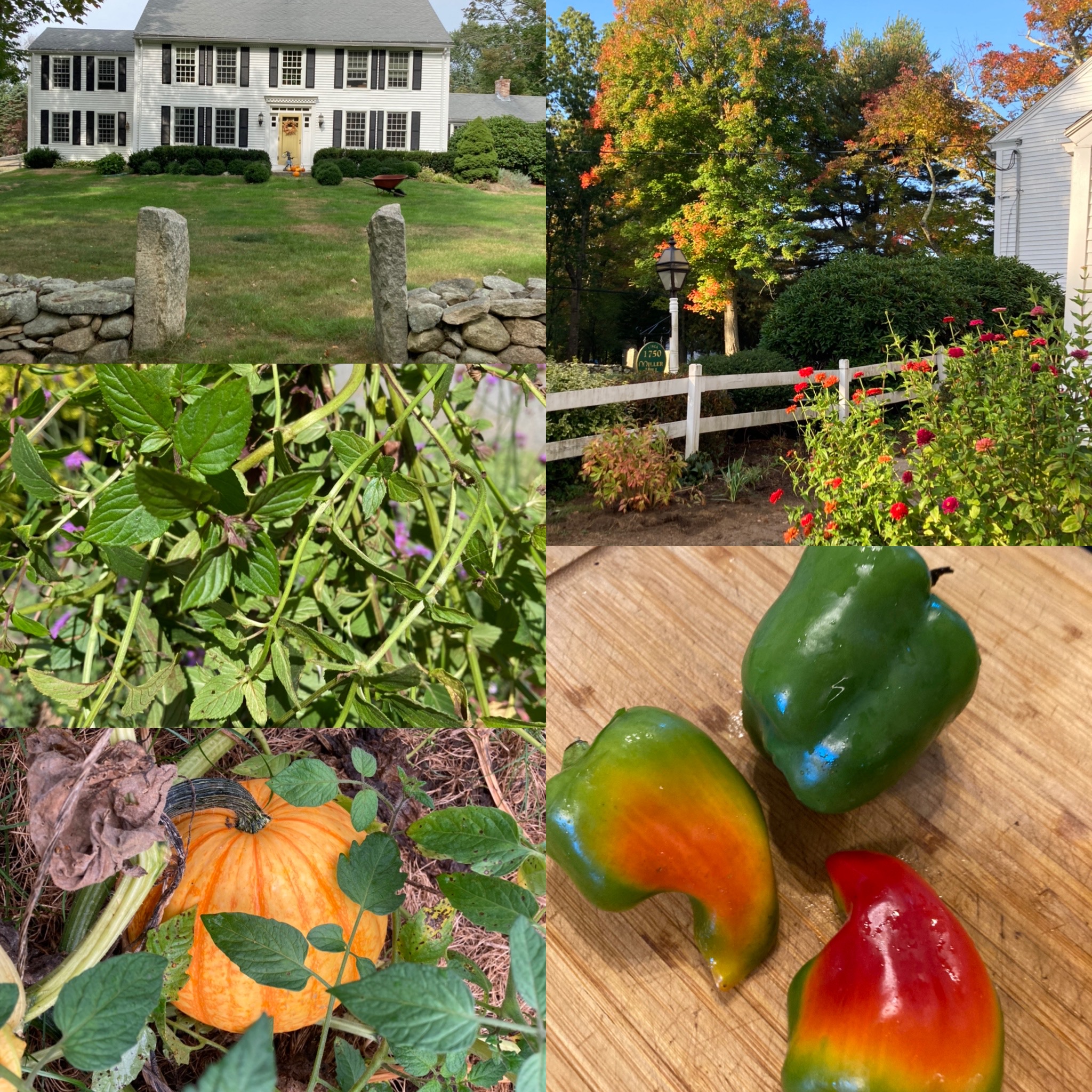
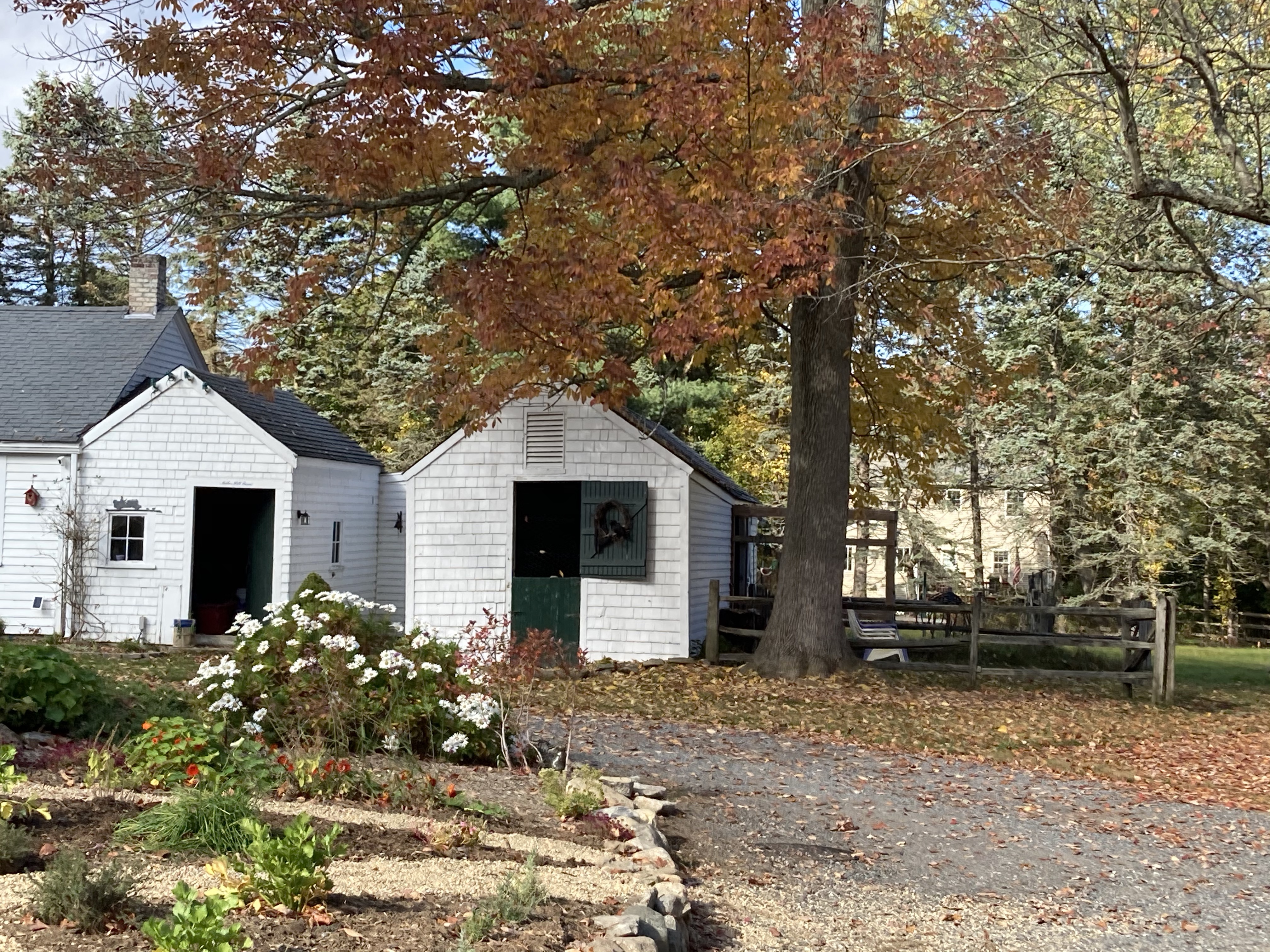
When we moved into this farm it wasn’t with any dreams of reviving or farming the place. The truth is that this farm was already fully a version of it’s best self. The family before us had lovingly restored it and it was a working horse farm when we bought it.

Instead, we chose the property for what it would offer us–an opportunity to live in a house so thoroughly infused with grace, charm, and history, that it seemed nearly impossible to avoid living a charmed life within it’s old walls.

I’ve always had gardens, and installing them here was a labor of love–to be clear– love for myself. Installing a garden is really more an act of inspiration than construction for me, and trying to feel my way through creating a layout that would harmonize with this place’s energy has been a process.

I sought advice for the kitchen garden layout from Enchanted Gardens – a wonderful garden designer in Holliston– because I wanted something traditional and found myself hesitating to move established plants. The existing locataires–evergreens, mostly– had deep, firm roots and projected a sense of belonging that it was hard for me to get past. In the end, I changed little and am working around much of what was here.

That process made space in my mind to connect with the plants that were here and that I added. Their energy has a sentience that it isn’t hard to perceive once you start spending time around them. Most (not all) of them are good company; they have the ability to calm and encourage clarity. There are a few – nettle, for instance, that are less friendly. But generally, flowers and herbs are easy to connect with and have a quality of soothing that I imagine attracts many people to gardening.

Being among plants is an antidote to over-activated nerves, which seem to be ubiquitous in our modern environment and online-connected style of living. I’ve found myself gardening more and more over the years, allowing my time with favorite plants to encourage my intuition and beat back the stress of daily life.

So aside from nurturing the body with fresh vegetables, herbs, and flowers, being in the garden nurtures the mind and the emotional body, making way for inspiration and a sense of calm.

Why not plan a small project for the spring? A small garden – it could even be a container garden. The benefits and the beauty of being among and caring for live plants make the investment well worth it.

Leave a comment

Filed under Uncategorized