Category Archives: Herbal Tea

Gut Tea For a Happier Gut and a Happier You

Gut health influences so much beyond digestion – energy, mood, immunity, brain function …. I’d go as far as saying it affects and feeds our vital force. We’ve all heard this, but so often we don’t really know how to support our gut outside of taking a supplement for our microbiome and digestive health.

Some days our gut just isn’t feeling its best. Despite that, we go on with our day, our work, school … meeting our responsibilities. In this blog I’d like to suggest gut healing tea as an opportunity to care for ourselves while continuing to soldier on, if that’s what we choose to do.

A tea that’s formulated for gut health can taste great. Ginger, fennel, peppermint … all delicious and easy to find. You can add honey, too, if you like your tea sweet. These herbs, along with others, can also be healing to the gut, support digestion, reduce inflammatory states, stimulate digestive secretion, relax and ease anxiety, support the lymphatic system, soothe and protect irritated or inflamed tissue in the stomach and gut, and even tone and strenthen the stomach. It’s a long list of benefits, isn’t it?

Some of my favorite herbs for a gut health tea follow below, with notes about their benefits. This is not an exhaustive list, the idea is that you can blend your own tea if you want to. Or just buy a fabulous blend from an organic tea maker with some of these herbs in it!

Chamomile –(Matricaria recutita) flower–warming and relaxing (nervous system and lower part of the digestive track), discourages nausea.

Catnip (Nepata cataria)– warming and relaxing (nervous system  and upper digestive track; also antacid (helps with heartburn)

Ginger root – (Zingiber officinale) –antispasmodic, discourages nausea, warming and relaxing

Plantain leaf – (Plantago major) healing to the gut

Calendula (Calendula officinalis)- healing, also supports the lymphatic system

Peppermint (Mentha piperita) leaf, carminative, discourages nausea

Fennel (Foeniculum vulgare) seed, supports digestions, helps dispel gas, antispasmodic, antacid, anti-inflammatory. 

Meadowsweet (Filipendula ulmaria) Anti-infammatory, supports digestions, helps dispel gas, antacid, astringent. 

Marshmallow Root (Althaea officinalis) – soothing to the gut, anti-inflammatory. 

or Licorice (Glycyrrhizza glabra), soothing to the gut, tones the stomach, sweetening, harmonizes your tea blend. Helps with digestive dryness, irritation, ulcers.  [Can use up to ¼-⅓ part Licorice root in your tea.  Note Licorice increases aldosterone,which can raise blood pressure, so not recommended for those with hypertension.]

Leave a comment

Filed under herbal medicine, Herbal Tea, Herbs and Healing

A Spot of Calm

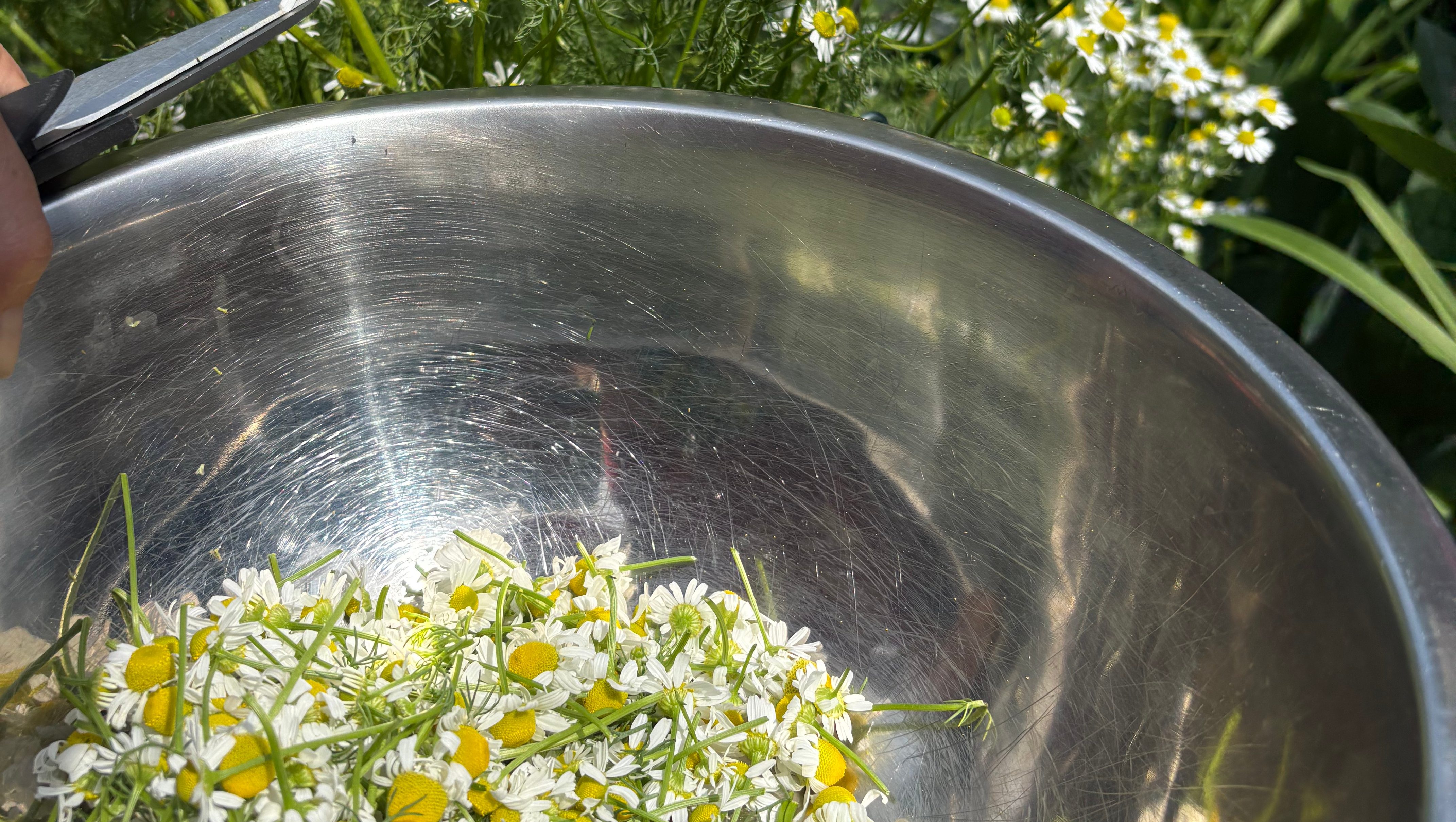
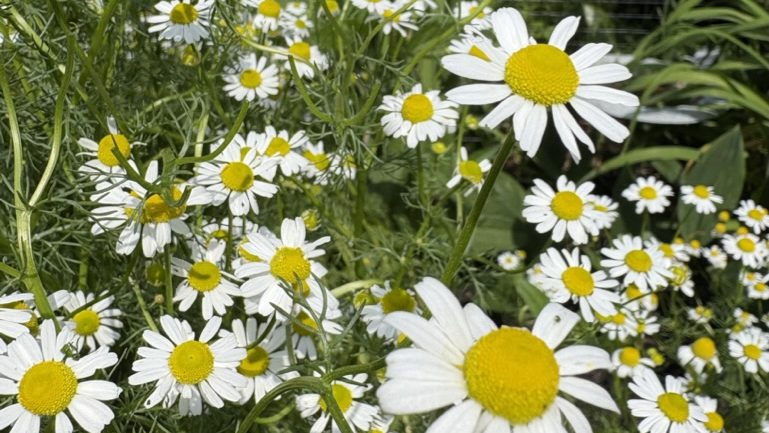
chamomile flowers

Chamomile blooms right around the height of the sun’s arc, beginning before the summer solstice in the Northeast

Thoughts of chamomile seem apropos of the moment. Calming and helpful with digestion and anxiety, chamomile is, in its small but lovely way, an antidote to the fever pitch of the news this summer.

It’s easy to grow, not picky, not overly flashy or showy; in fact its a bit ordinary. All it asks for is a sunny spot and a bit of water during a dry spell. In return it gives a profusion of cheerful blossoms all summer long that you can snip and dry for tea or put into alcohol to tincture for the same benefits. Simple, lovely.

chamomile flowers in a bowl
chamomile grows alongside roses and peonies in my garden, giving me cheerful blooms all summer.

Wishing everyone a bit of sunny calm today on the longest day of the year in the northern hemisphere.

Leave a comment

Filed under gardening, herbal medicine, Herbal Tea

Great in Bed: Passionflower

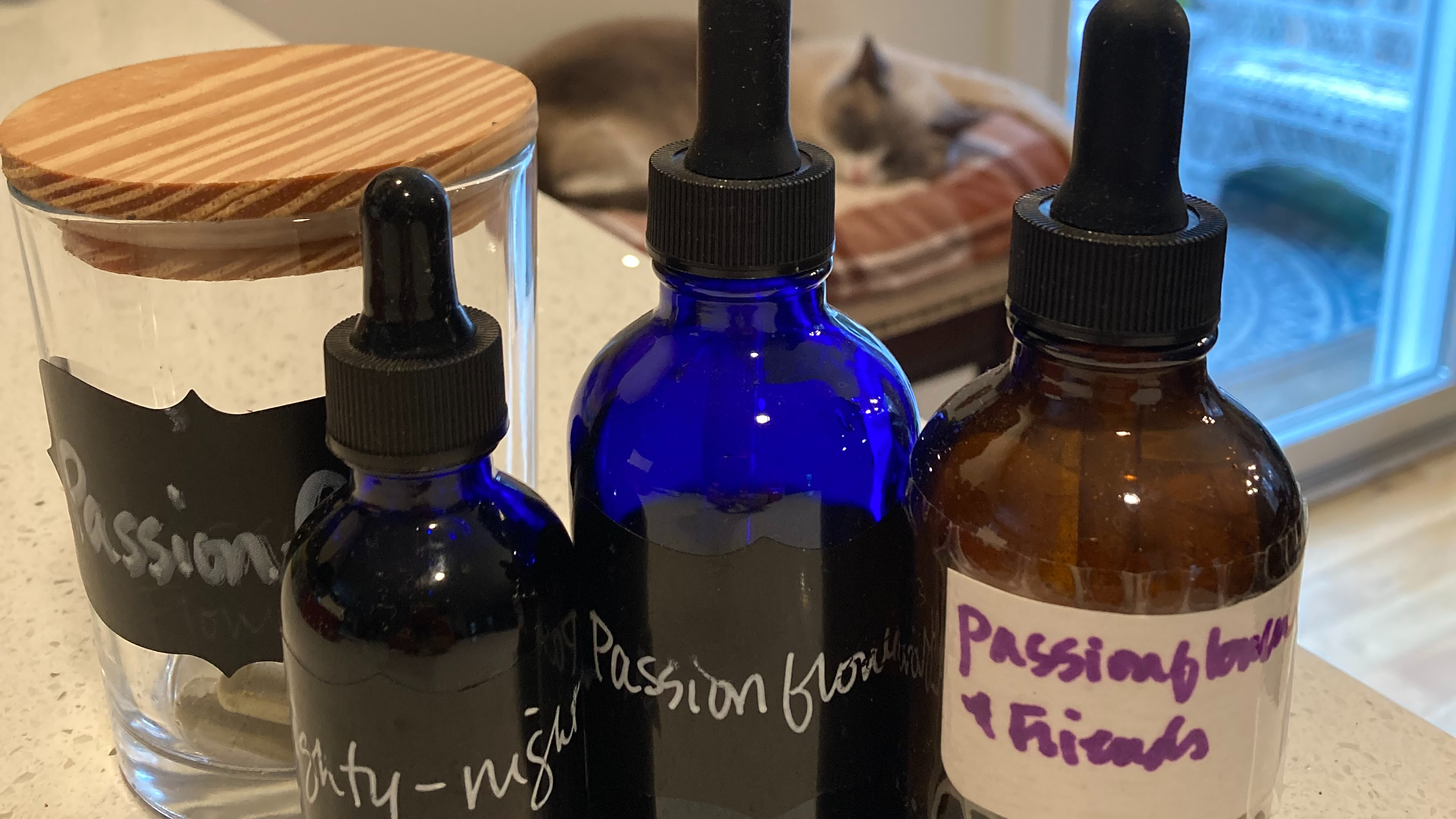
That may seem a little provocative but this is a concrete statement I’m prepared to stand behind. I’ve never met a plant that did more for people during the night than Passionflower.

Sure, Valerian helps you sleep… but Passionflower quiets the night-time ruminating, worrying, anxious, and repetitive thoughts that are so common for people. Categorized as sedative, nervine and anti-spasmodic, Passiflora incarnata is a perennial native to the southeastern US, and the flowers and fruits are the medicinal parts of this plant.

People for whom I’ve recommended it say things like “the best night’s sleep I’ve had in as long as I can remember,” and “wow the Passionflower is awesome!” For my part, I can say that when I take passionflower tincture or a capsule before bed I reliably sleep much more soundly than I do without it. My mind is calm. Also, I am prone to grinding my teeth at night and the passionflower eases that noticeably, too.

There’s more to passionflower than its bed-time virtues. Great for over-active and anxious minds it can be taken during the day, too, to help with anxiety. But I think that Passionflower’s super power is it’s ability to calm the mind for sleep.

I’ll leave it there for now, except to note that I’ve seen in some recent literature that Passionflower isn’t recommended for people who take beta-blockers, or for young children. On reviewing this in the American Herbal Products Association’s Botanical Safety Handbook, though, no safety precautions are reported with the exception of some people reporting allergies to Passionflower.

Safe, effective, and sure to support a better night’s sleep – a pretty good bed partner, wouldn’t you agree?

The content presented here is for informational and educational purposes only and does not substitute professional medical advice with healthcare professionals.

Leave a comment

Filed under Herb, herbal medicine, Herbal Tea, Herbs and Healing

Simple Natural Remedy for Upset Stomach: Peppermint Tea

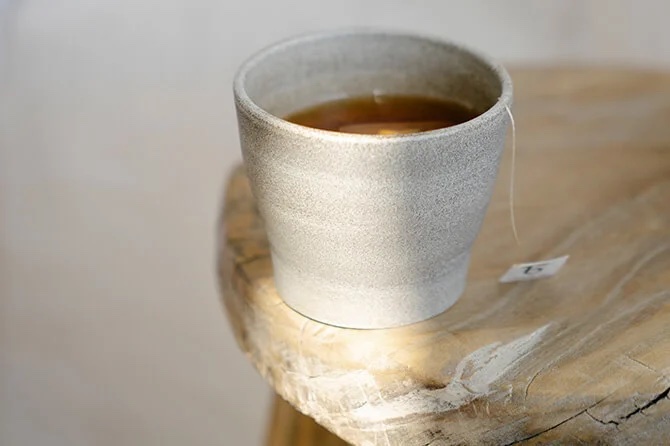
white teacup with a tea bag on a bench.

That last piece of leftover pie I had for breakfast this morning left me thinking “I need a cup of peppermint tea.” Too many sweets over the last few days has taken a toll.

I drink peppermint tea whenever my stomach’s unhappy. Peppermint, the binomial name is Mentha piperita, is known to have other health benefits but it’s enough for me that that it tastes great and soothes my stomach. It’s fabulous after dinner with honey (and maybe even a dollop of cream) for a sweet treat, too.

To make it:

  • Boil water
  • Pop a peppermint tea bag into a mug of the boiling water.
  • Cover the tea – this keeps those volatile oils in your teacup. You can use a little dessert plate over the cup if I don’t have a proper teacup.
  • Let the tea steep for at least 5 minutes (10-15 minutes is better).
  • Enjoy the mint on its own or add honey or milk if that appeals.

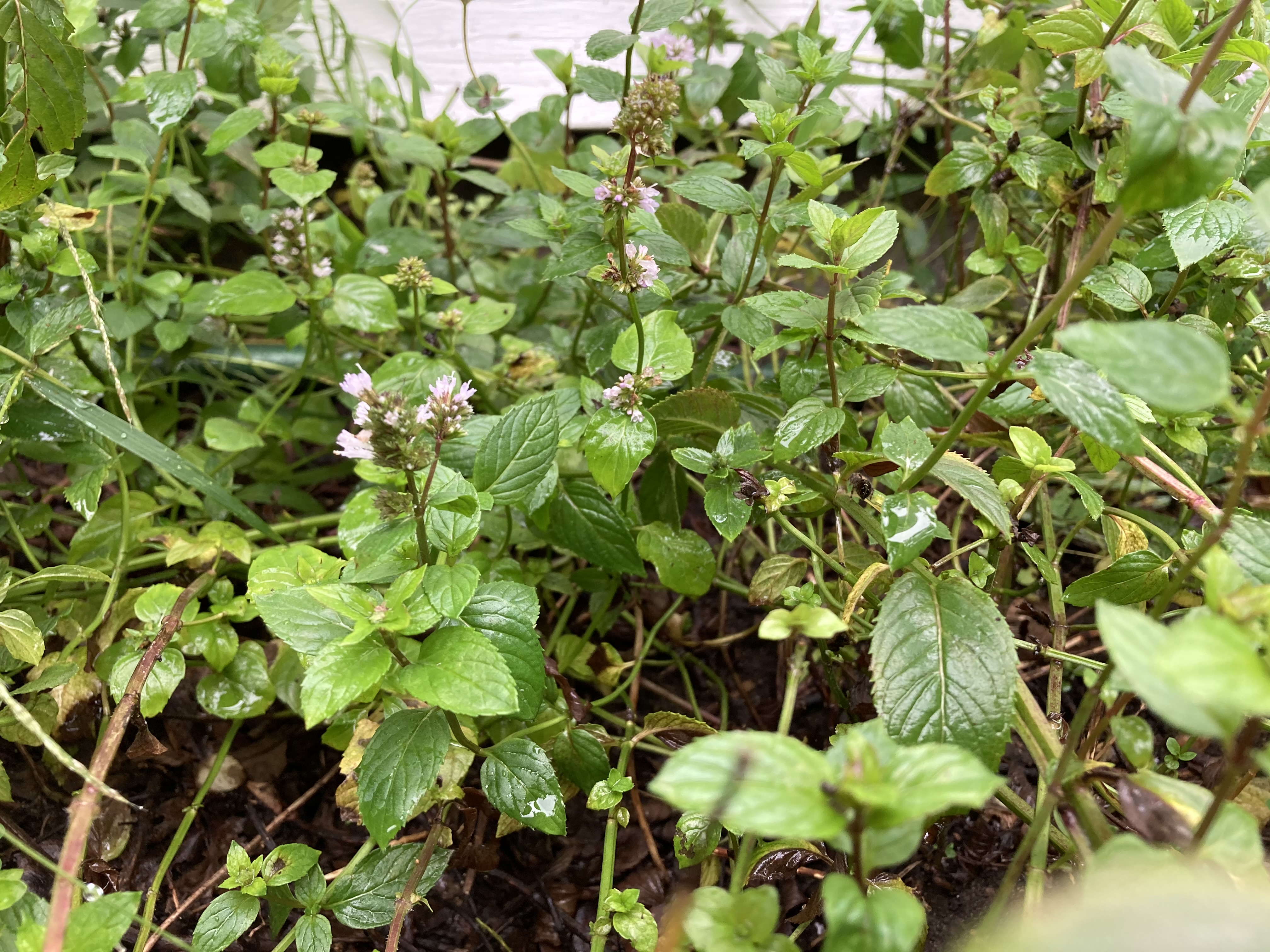
You can buy peppermint tea bags at the grocery. Or you can grow it! It’s easy… so easy, in fact, that it will spread if left alone.

Peppermint plants

The peppermint show above is in my garden. Peppermint is perennial. If you plant it in good soil it will grow in sun or part shade. It isn’t fussy and I’ve never needed to water it once it was established, though it thrives with periodic watering. But be careful! It will take over your garden if you let it!

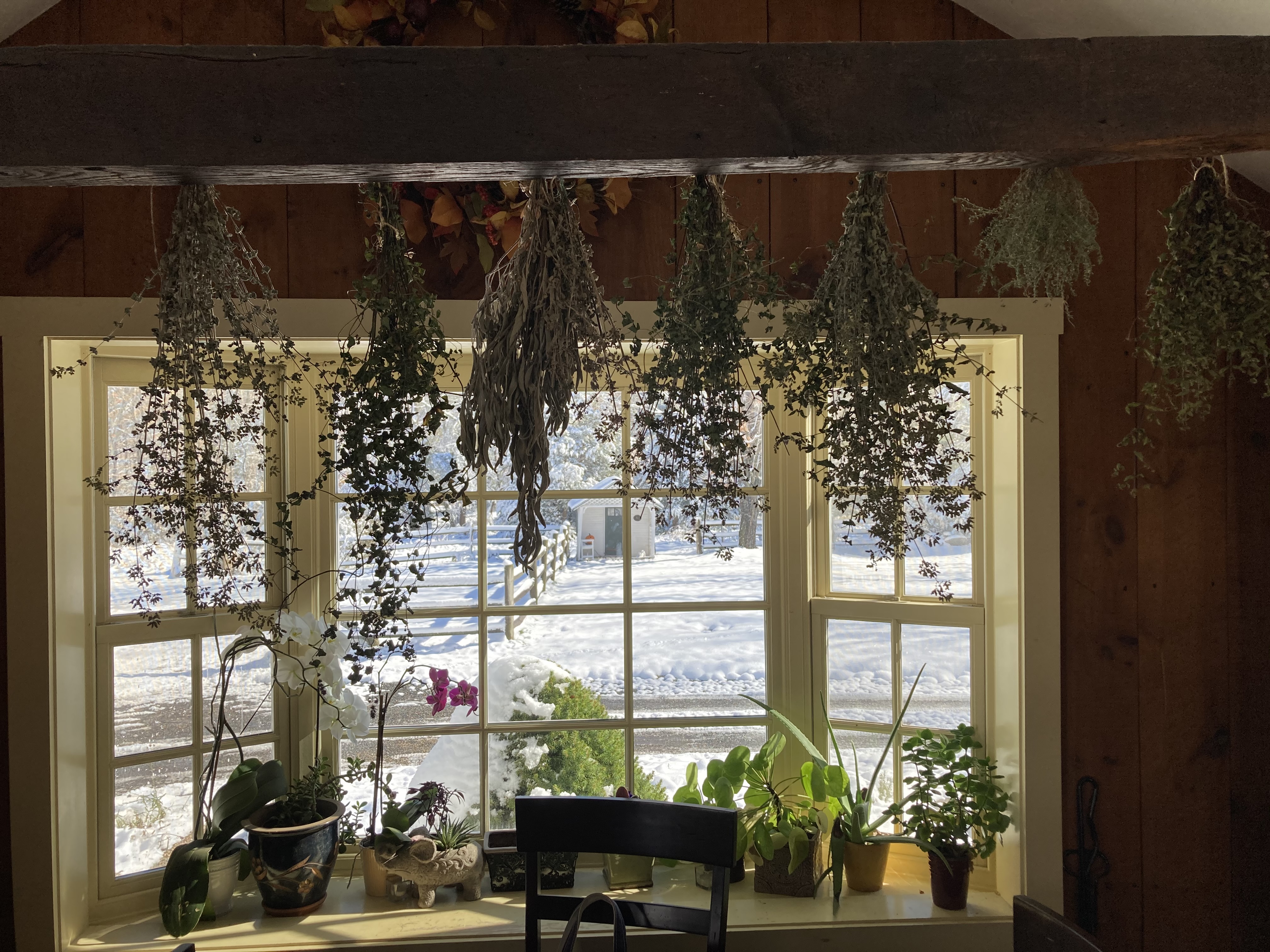
To make tea just cut the stems and hang them up to dry or use a dehydrator.

peppermint hung to dry.

Leave a comment

Filed under herbal medicine, Herbal Tea, Herbs and Healing