Tag Archives: herbal remedies

Natural Ways to Ease Back Pain

Back pain is a theme that comes up so much people have stopped talking about it, mostly. Every now and again, though, a flare up takes us past the usual discomfort into truly miserable territory and we look for help.

Recently there have been requests for pain salve—something to help with pain in the back. Arnica, birch oil, saint john’s wort, these are all pain relieving and healing for muscle pain. I whipped up some salve and heard back that it was very helpful, relaxing tense muscles, allowing sleep, soothing pain.

Thinking back on my own long term bout with back pain, though, inspired me to share not just the salve recipe but a couple of other remedies I’ve encountered.

First and chief among them – stretching. I used to have chronic back pain from sitting at my desk for long hours, not moving much. Even getting a standing desk and alternating with an exercise ball didn’t resolve it. Bottom line: I was not moving enough. Walking when I could helped a lot, but more valuable than that was yoga.

I keep a daily practice of vinyasa-style yoga and have done for years. I am no guru. As a busy working mom, getting to the yoga studio on their schedule wasn’t always working so I took a 200 hour yoga teacher training class to set me up for a home practice that I could do before leaving for work in the morning. I maintain that no amount of salve could ever substitute for the relief and wellbeing that yoga has given me.

Okay I am officially off the yoga soap box!

The salve proved to be very effective for the two people that requested it this year. In the second case, applying it liberally with massage. Never estimate a massage, I say.

Arnica, one of three active ingredients in this salve, has long been used for muscle pain. Increasing circulation, it helps heal bruises and injuries, eases joint inflammation and pain, and soothes skin inflammation.

St. John’s wort oil is rich in antioxidant and anti-inflammatory compounds, easing pain associated with arthritis, joint pain and muscle aches. The literature even mentions gout.

Our third ingredient is birch essential oil, which I add after blending the infused oils with beeswax. Birch oil is known to relieve pain, reduce swelling, and boost blood flow. Plus, it has a lovely, bright scent.
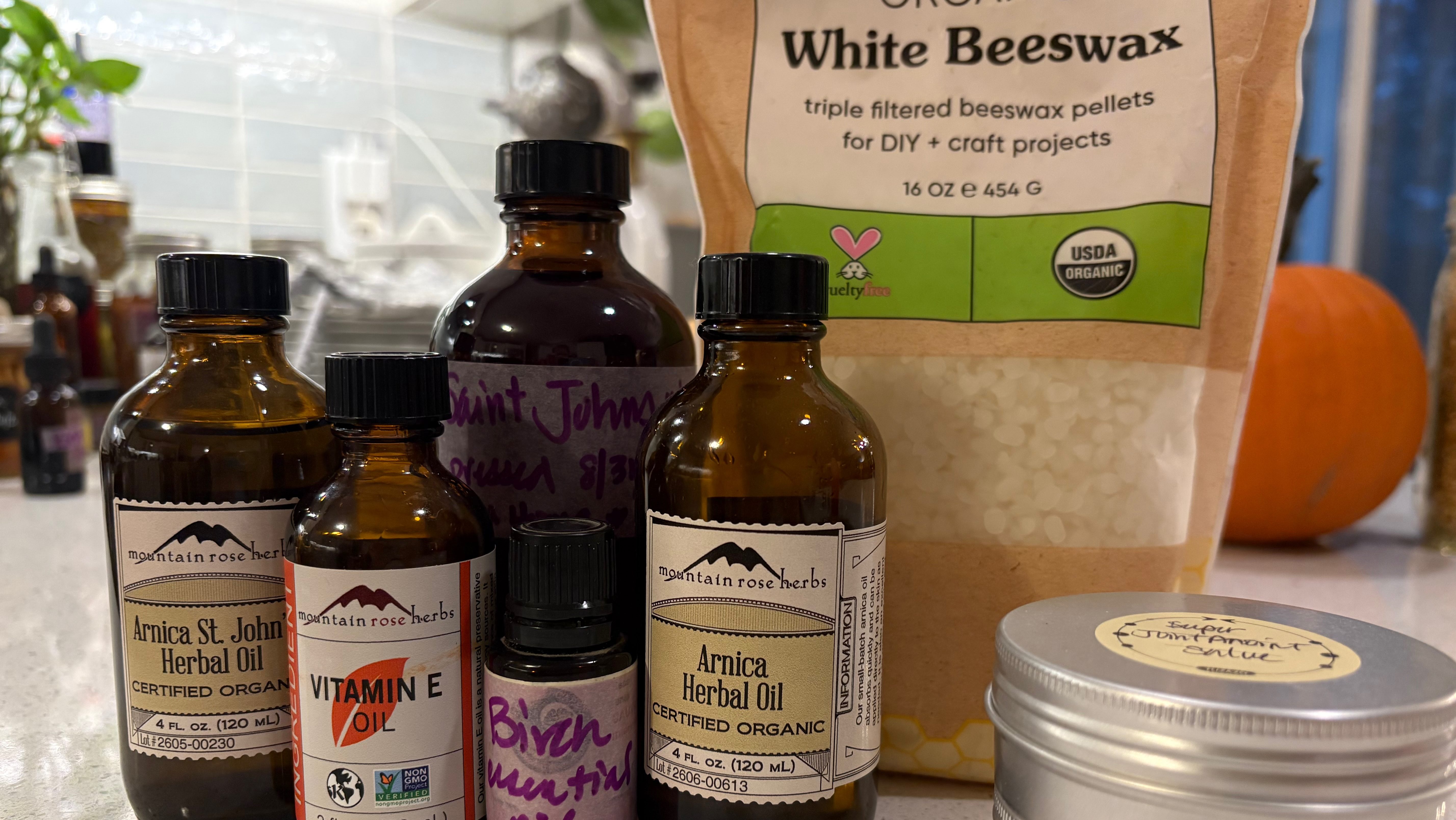
The recipe:

Arnica St Johns Wort salve with Birch oil

  • 2 ounces st johns wort flowers infused in olive oil
  • 2 ounces arnica flowers infused in olive oil
  • ~¼ cup shaved beeswax or about ⅛ cup beeswax pastiles
  • ¾-1 teaspoon vitamin e oil
  • ~10 drops birch oil.

Combine oils and beeswax in double boiler over simmer until beeswax melts.  Test the firmness in the freezer for a minute before removing from heat.  Add vit e and birch essential oils.  Decant. A post that describes the process of making salve in detail is here.

You’ll note that much of what I have here is purchased from Mountain Rose Herbs. I have no affiliation with them beyond being an avid customer. I think their practices are reliably ethical and I love their customer service. There are many other herb purveyors online to choose from.

There’s also an article about gathering St Johns wort in the garden here for the curious.

If you’d like to receive my little missives when I post them, subscribe!

Leave a comment

Filed under #wellness, herbal medicine, salves and oils, wellness, Yoga

An Afternoon Pick-Me-Up Tea with Benefits

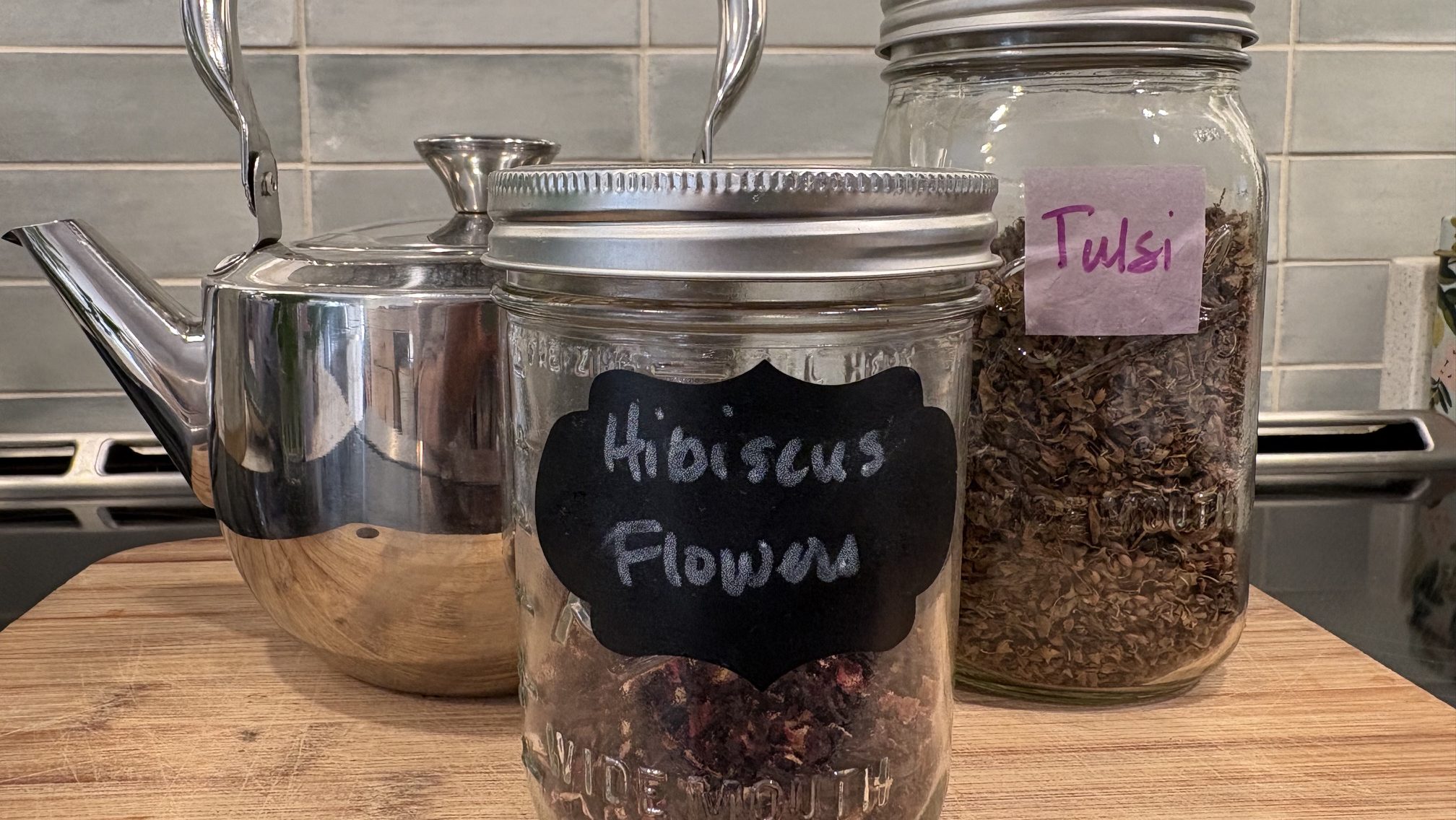
two jars containing herbs labeled Tulsi and Hibiscus flowers. Flanked by a tea kettle

By around 3:00 in the afternoon I’m feeling the day wear on me a bit and I often start to look around for a pick me up. Many days I choose Tulsi.

Famous as an adaptogen, Tulsi is also called Holy Basil. It helps to release tension and provides support to the adrenals. Other benefits: it’s an exhilarant, which means it’s a mood lifter, it’s aromatic, stimulating circulation to the digestive tract. Gentle enough for most anyone to enjoy, tulsi also has the energetic effect of helping lift people out of stagnant, depressed states.

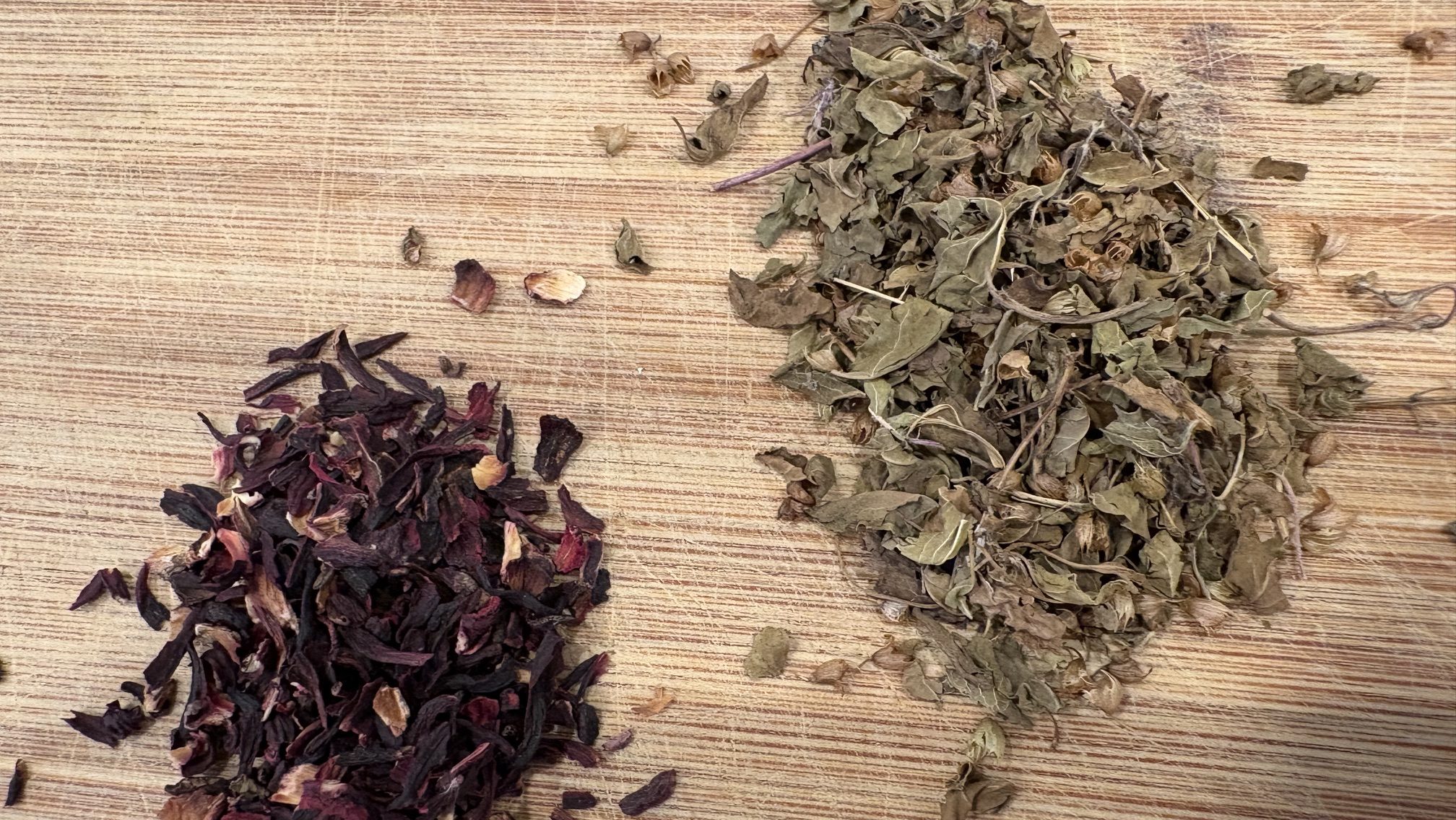
I experience a little lift whenever I drink tulsi, making it a good 3 PM friend. I like to pair it with hibiscus because the fruity, sweet, slightly sour taste of hibiscus is a nice balance for tulsi’s bitter-sweet flavor. And Hibiscus has its own benefits. Rich in nutrients and phyto-goodness, it contains antioxidants, supports healthy blood pressure and urinary tract health, and is known to support hair growth and brighten the complexion.

red and green herbs on a bamboo board
hibiscus and tulsi

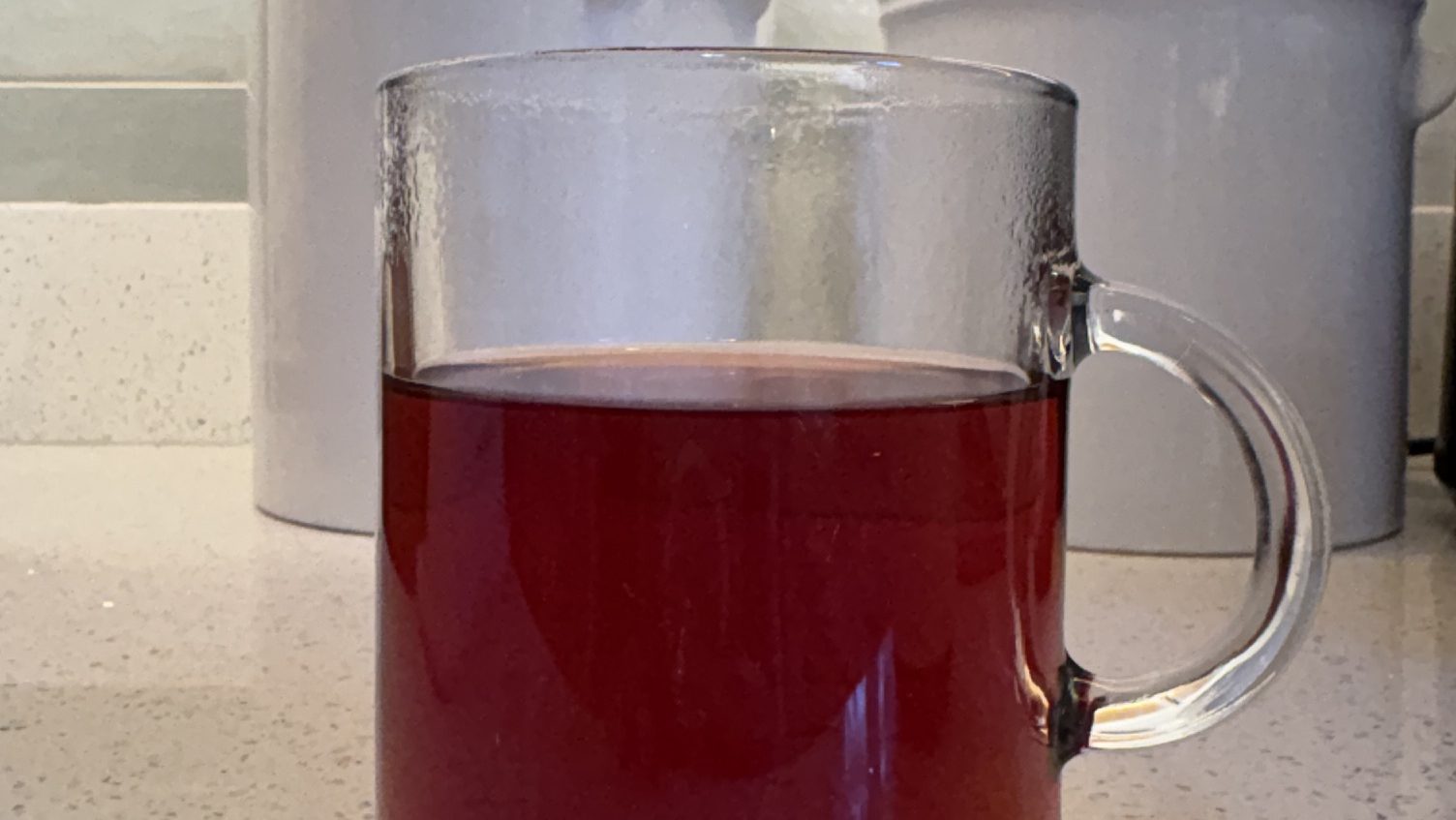
To the list of wellness virtues listed above, add its beautiful red color, and you’ve got an afternoon pick-me-up you can feel good about.

A teaspoon of honey doesn’t hurt, either.

red tea in a clear glass mug
hibiscus gives this tea a beautiful red color

Leave a comment

Filed under herbal medicine, Herbal Tea, Support for Calm, Wellness Teas

The Magic of Pollinators and Herbs

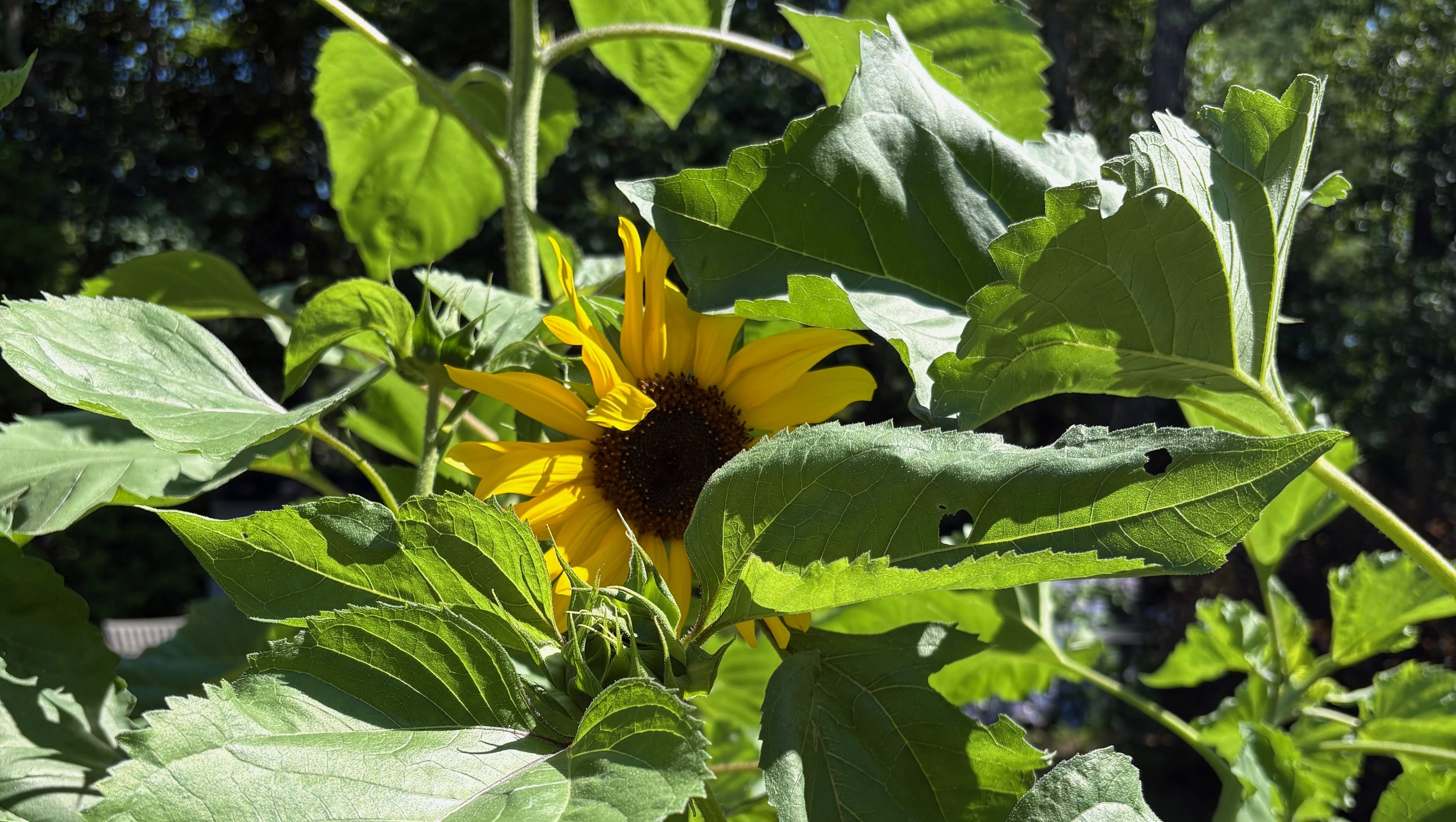
a sunflower partially hidden by it's foliage

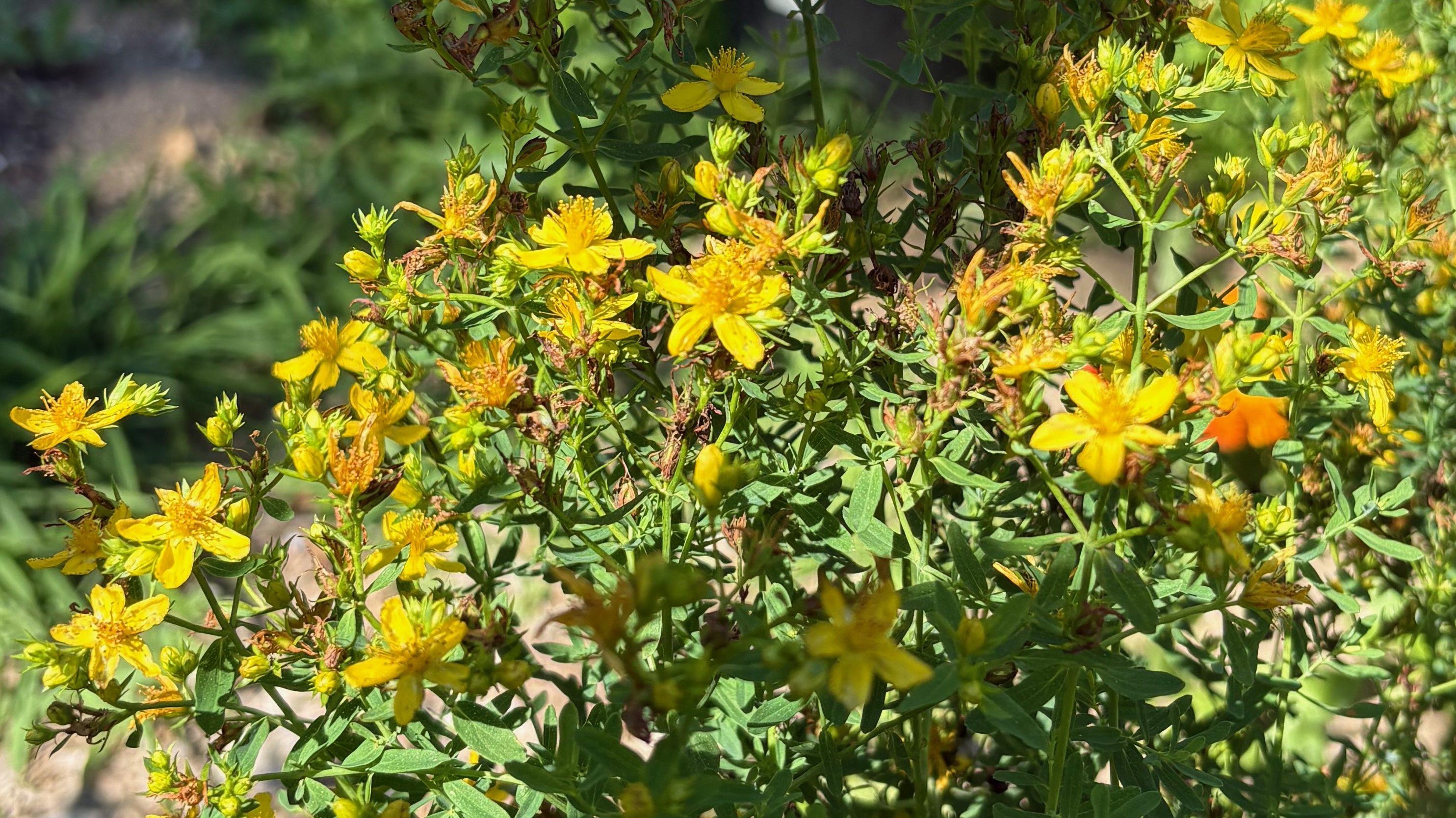
There’s no feeling like watching a bumble bee on flowering st johns wort or a giant sunflower; radiating the pure joy of doing what comes naturally, of things going right, of the natural abundance of summer and the flowering season.

yellow flowers in the sunshine

the common weed st johns wort is known for its healing ability, and pollinators love it too.

Fleeting, magical moments.

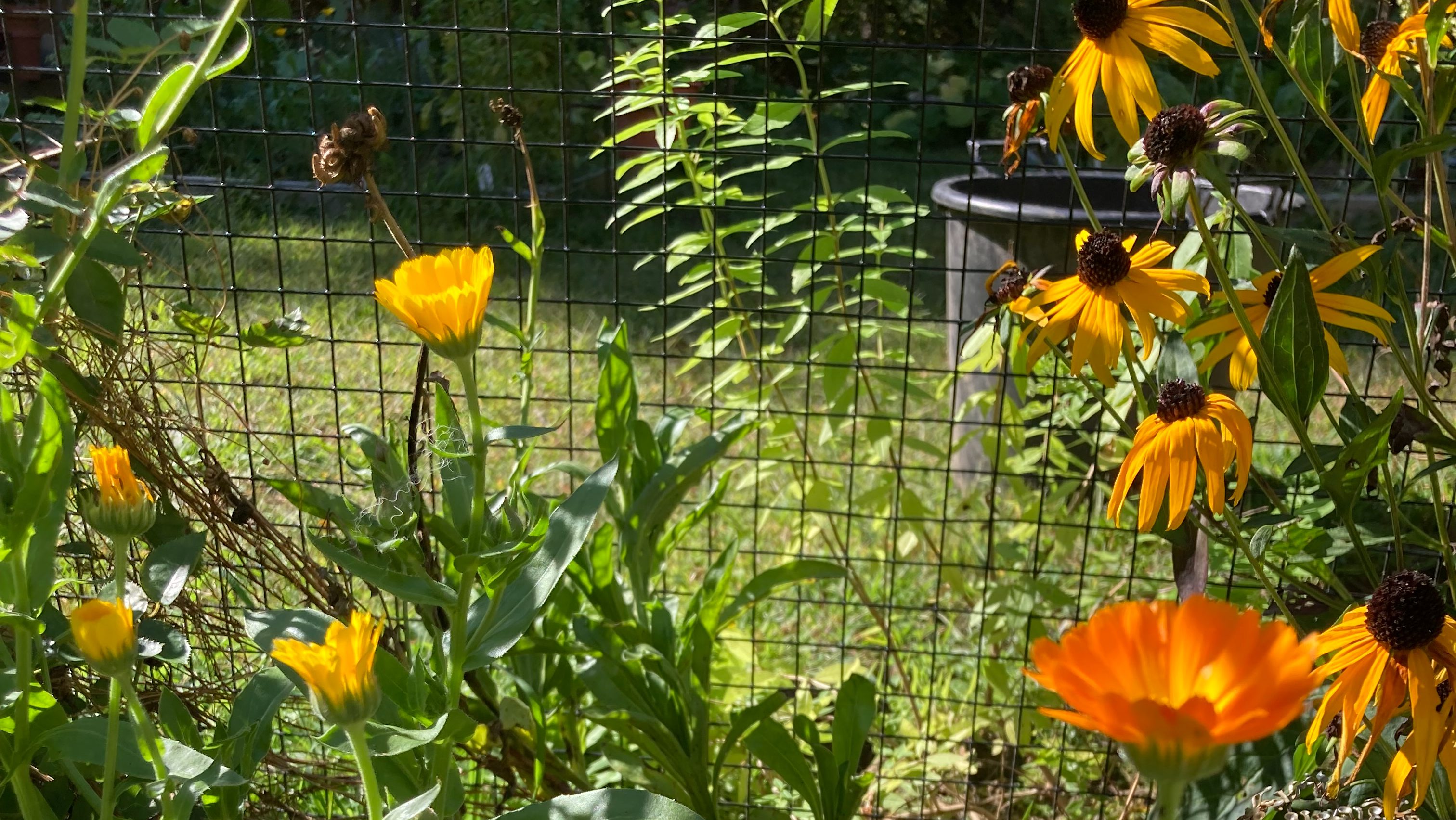
This week the sun was shining just before the wildfire smoke blew in. Calendula stood nodding in the morning sun.

calendula is used for it’s healing power in skin and tea remedies

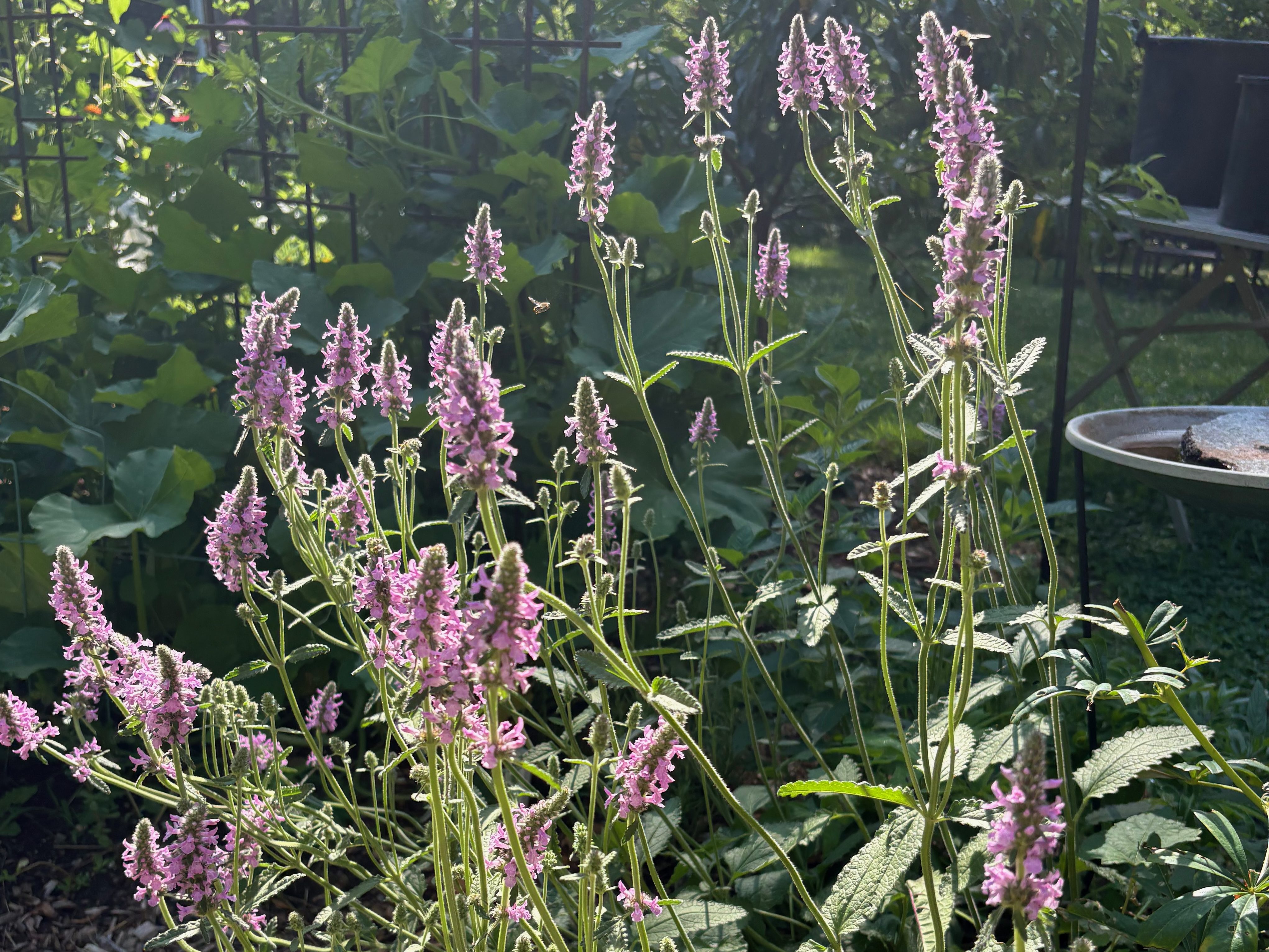
Wood betony, covered in happy pollinators and graceful in the morning light, looked magical. Mint grew tall, absolutely at large and threatening a takeover of the garden, it’s soft leaves rising into the sun and flanked by a regiment of lemon balm.

purple spire flowers in slanting sun
Wood betony is a perennial herb used as a nervine. Graceful purple spires of flowers bloom in July in the Northeast of America.

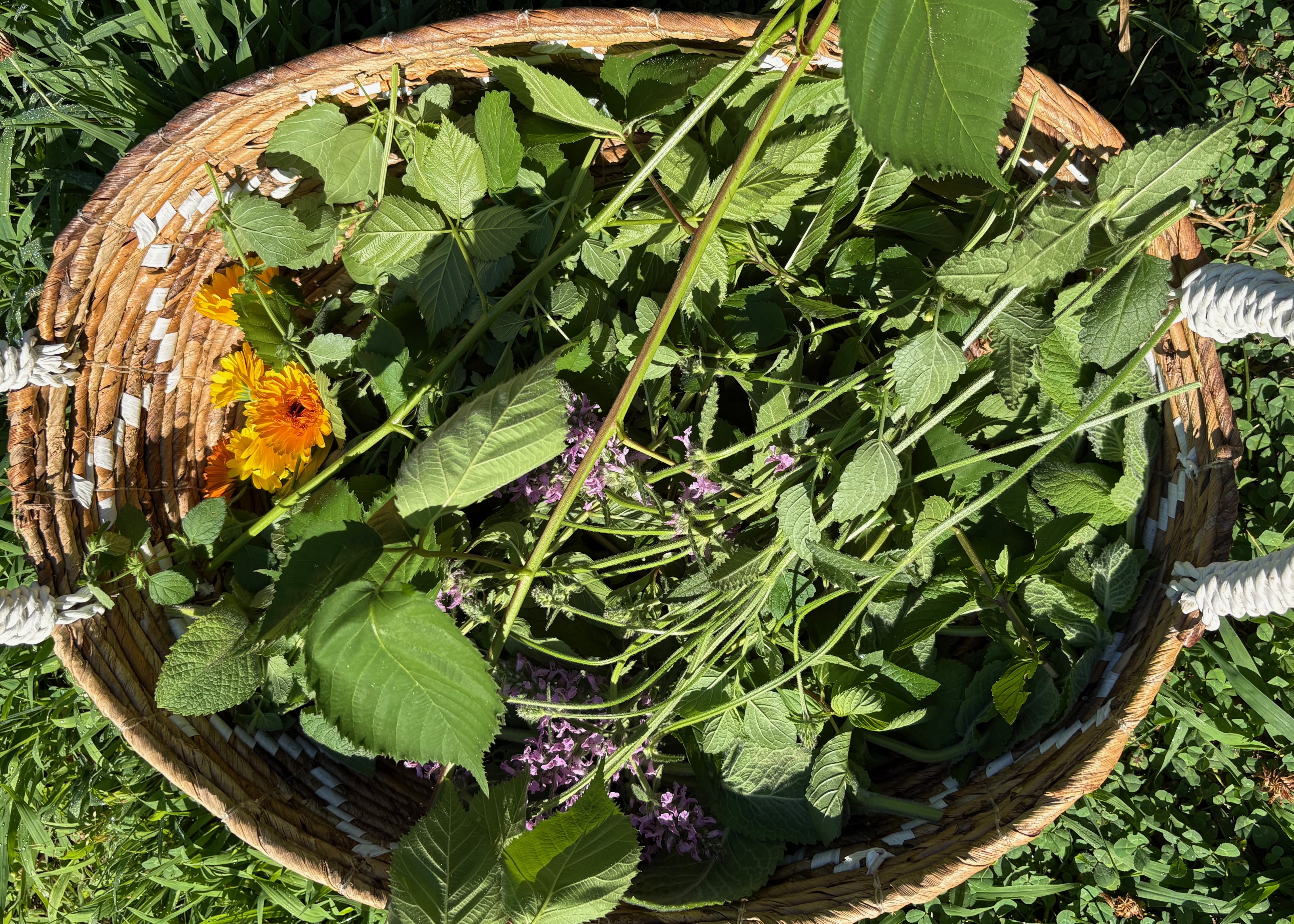
So I joined the bees and their pollinator friends in the garden, collecting calendula, wood betony, peppermint, plantain, and lemon balm to dry for teas.

a mix of herbs an flowers in a basket
summer harvest: wood betony, calendula, peppermint, lemon balm, blackberry leaf

Just past Midsummer and moving toward Lammas, the garden is all abundance.

Leave a comment

Filed under gardening, Herb, herbal medicine, Herbs and Healing

Anxiety and Tension Busting Skullcap

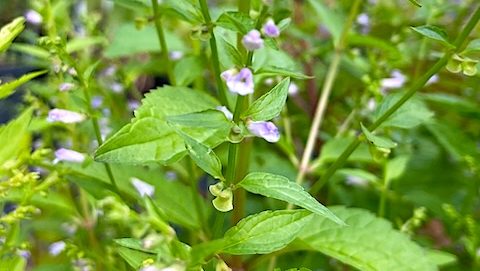
Mint family plant in bloom with blue-purple flowers.
Skullcap is effective for relieving anxiety, calming anger, clearing the head.

Likely the most common request I’ve had for herbal support has been for the relief of anxiety and stress. Speaking for myself, stress, tension, and anxiety have been a condition for which I’ve sought an antidote over the years.

Enter Skullcap.

Skullcap is well known in herbalism as an effective relief for anxiety, stress and muscle tension, especially in the neck, shoulders, and head. Herbal Reality, an excellent source for all things herbal, also notes it is used for the relief of angry hot states and as a support in addiction withdrawl. It’s beneficial for those dealing with tension headaches or TMJ.

Taken as a tea or in tincture form, it’s a reliable way to calm the mind during the day because it does not bring on drowsiness. And combined with Passionflower, Hops, or Wild Lettuce it becomes a sleep formula, lending it’s calming and relaxing effects to the hypnotic effects of these other herbs.

In a tea it has a mild flavor, so it’s easy to add to any loose tea you are drinking or to have on its own. Native to North America, it grows readily in moist places.

It’s a good friend to have along in a dosing bottle of tincture to take the edge off on stressful days… I can personally vouch for it’s effectiveness!

Skullcap is safe for folks of all ages, is gentle, and benefits teenagers who are often anxious. The dose is 5-30 drops of tincture a day or 3-6 grams of dried leaves and flowers in a tea. You can find this delightful herb at Mountain Rose herbs or you can easily grow it in your backyard in a sunny moist spot. Take care to get the right variety – Scutellaria lateriflora – if you choose to grow it yourself!

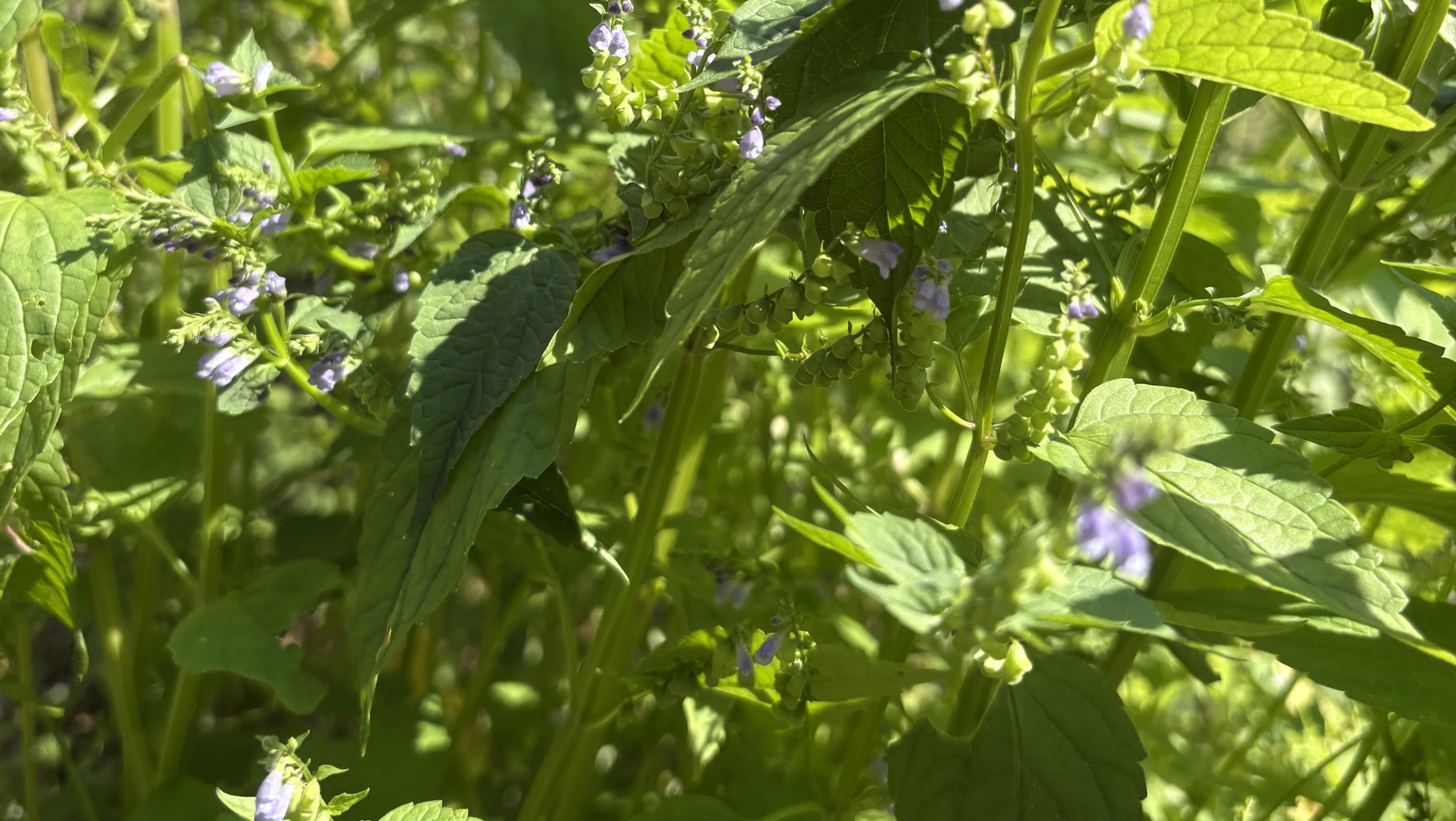
Mint family plant in bloom with blue-purple flowers.
Skullcap, Scutellaria lateriflora and also called Mad Dog skullcap growing happily in my backyard.

Leave a comment

Filed under Herb, herbal medicine, Herbs and Healing