Category Archives: Herb

Medicine of the Earth

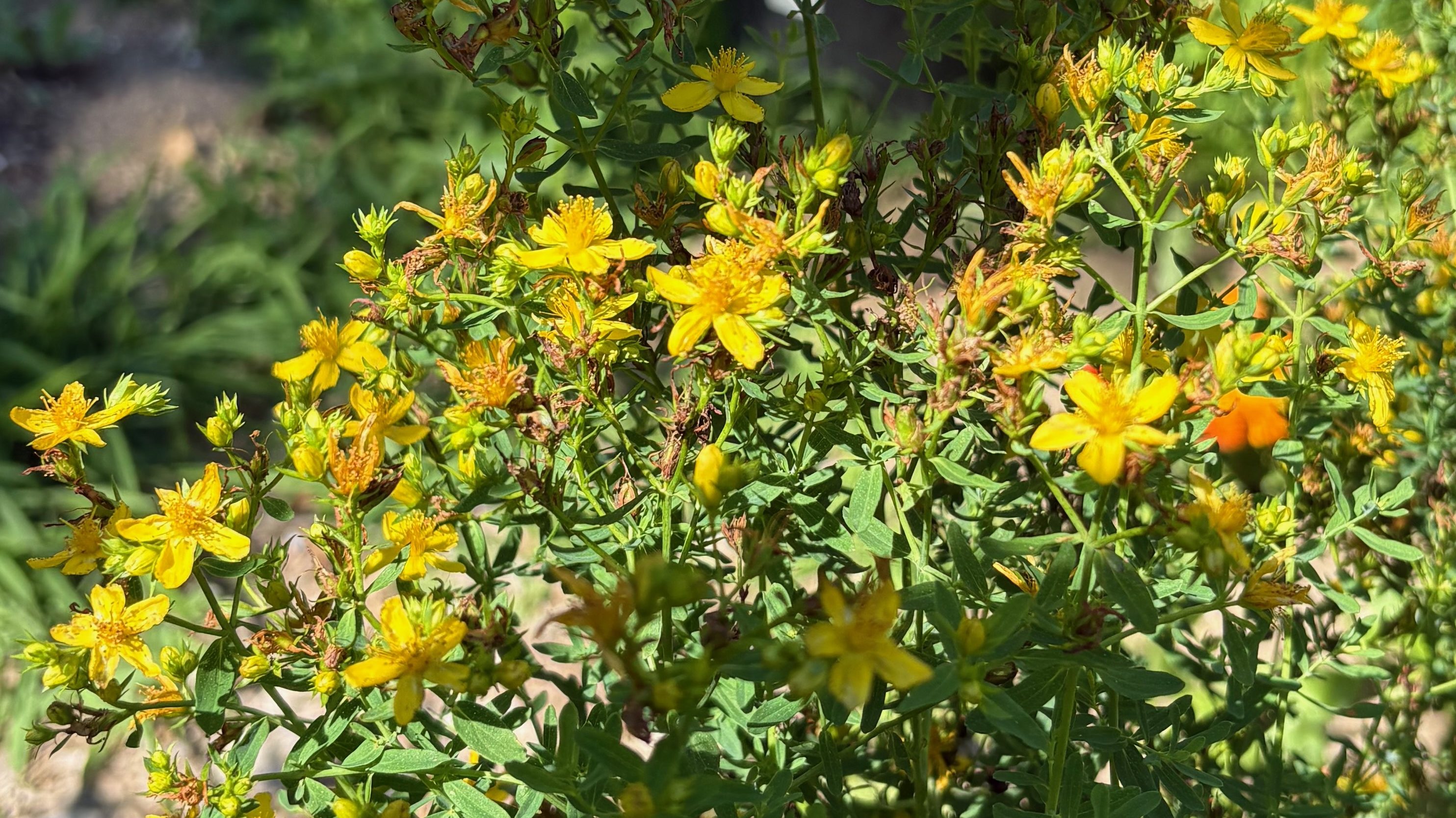
yellow flowers in the sunshine
the common weed st johns wort is known for its healing ability, and pollinators love it too.

The first couple of years we lived here there was no St Johns Wort in our yard. It’s a common weed – Hypericum perforatum – in these parts, and has good medicinal value. Used to support against depressive mood and for its healing benefits, it’s become famous. That said, it accelerates the metabolism of pharmaceuticals, which makes internal use contraindicated for folks on meds.

I complained to no one in particular the summer before last about its absence here in my garden, and wondered aloud where I could find enough to make some oil. The following summer a few St Johns Wort plants appeared in a few spots around the garden. And this year – pow! There were many. Who says we don’t get what we ask for? The savvy gardener has raised an eyebrow here and said “yes. And next year it’s all you’ll have in your garden!” But it does pull out easily enough.

So at around July 4th I harvested the flowers that have come to our yard. There was enough to make both oil and tincture. The tincture can be taken internally or used in liniment, and the oil can be used as it is or in a salve or liniment to support healing of the skin and pain relief. I use the tincture in formulas to support mood and I make healing salves regularly. In years past I’ve ordered both from Mountain Rose Herbs, who make wonderful organic products.

many yellow flowers in a glass bowl with larger yellow flowers in the background
collecting St John’s wort is easy to do, and leaves your fingers stained red.

St Johns Wort only flowers once in the year, and not for very long. Miss your opportunity and wait another year.

When the time to strain the flowers came, the color was the deep red color St John’s Wort should be – an indication of the oil’s medicinal value. The tincture has an even redder, darker hue.

red oil in a glass measuring cup
St Johns Wort oil and tincture are red.

Today I combined the St Johns Wort oil with Arnica flower oil and birch essential oil to make a salve for muscle and joint pain and stiffness.

There’s been so much growing in the garden this year- herbs, flowers, vegetables and fruit to admire, enjoy, water, and harvest….. and the wildlife the flowers attract – yellow finches, monarch and other butterflies, and hummingbirds… along with the less affable chipmunks and voles, has been its own story. But the flowers take center stage for everyone. Sunflowers, Wood Betony, Oregano, Sage, Calendula, morning glories, marshmallow, fennel, daisies, rudbeckia, echinacea, yarrow,, zinnia, lavender, and others… medicine for the mind, body, and soul.

A pot of nasturtium has become a favorite haunt of the local hummingbirds. When they appear on the deck visiting the flowers everything and everyone stops to watch and listen to them. They bring their kind of own medicine, too.

Leave a comment

Filed under Herb, herbal medicine, Herbs and Healing

The Magic of Pollinators and Herbs

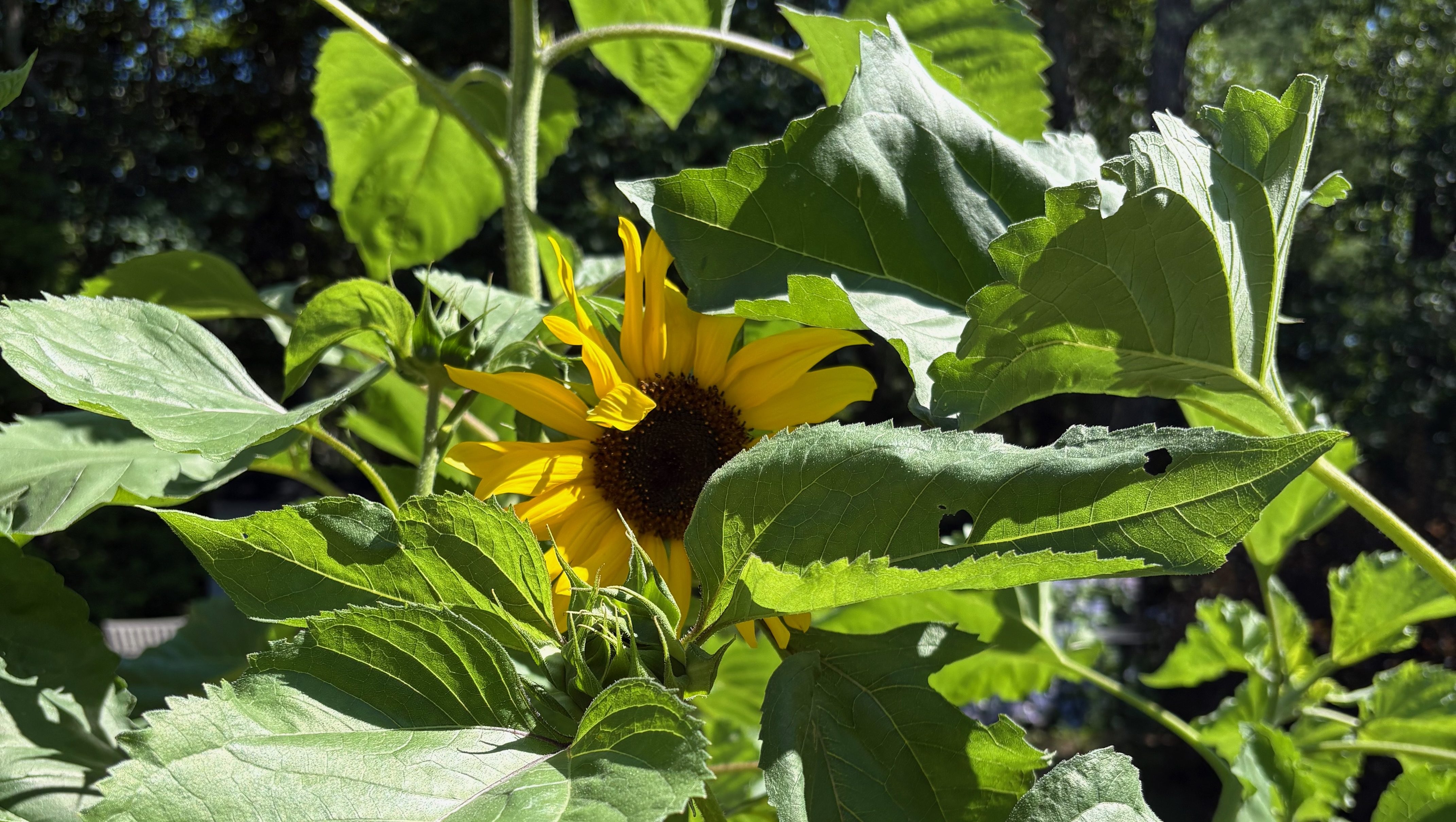
a sunflower partially hidden by it's foliage

There’s no feeling like watching a bumble bee on flowering st johns wort or a giant sunflower; radiating the pure joy of doing what comes naturally, of things going right, of the natural abundance of summer and the flowering season.

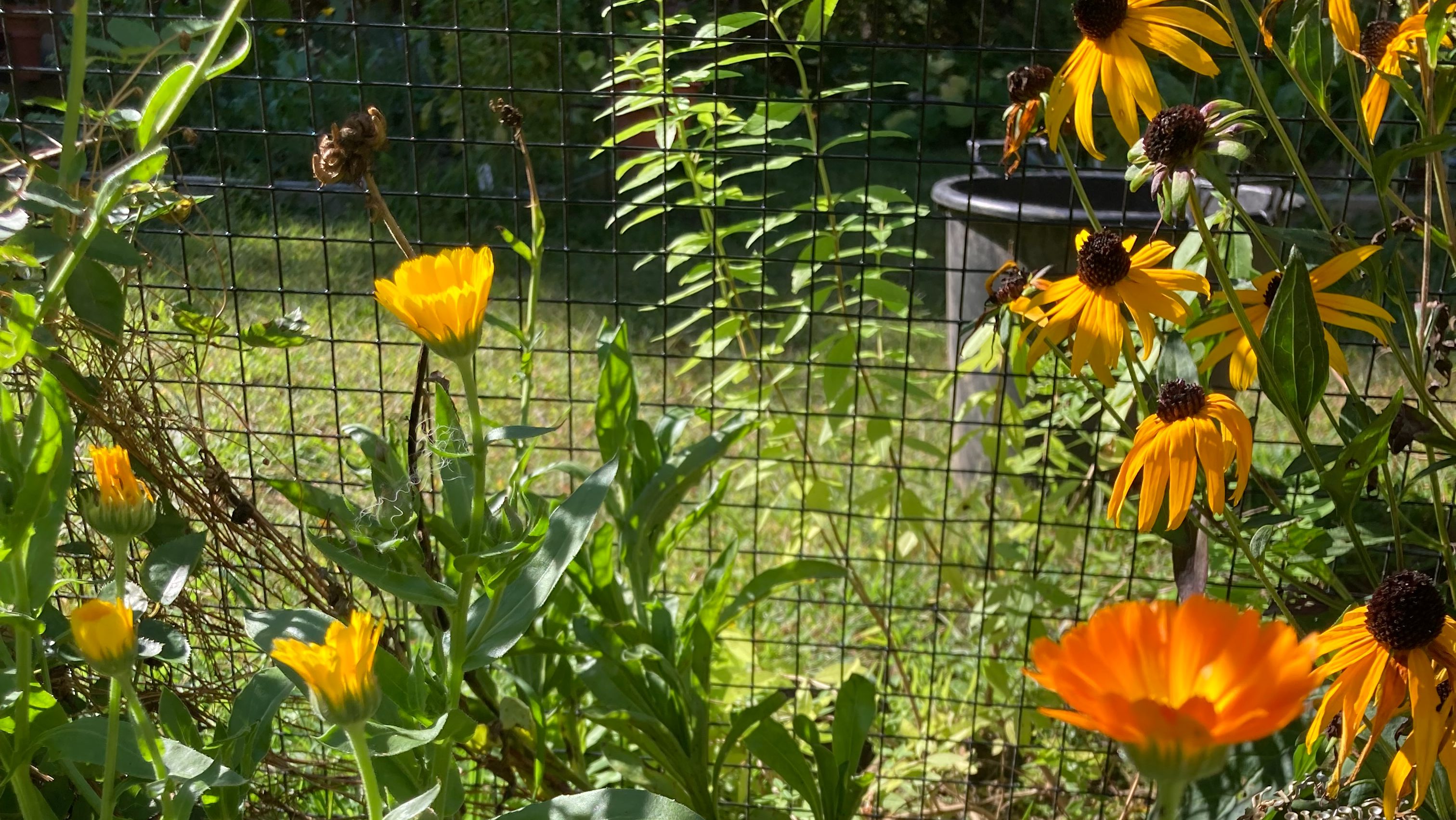
yellow flowers in the sunshine

the common weed st johns wort is known for its healing ability, and pollinators love it too.

Fleeting, magical moments.

This week the sun was shining just before the wildfire smoke blew in. Calendula stood nodding in the morning sun.

calendula is used for it’s healing power in skin and tea remedies

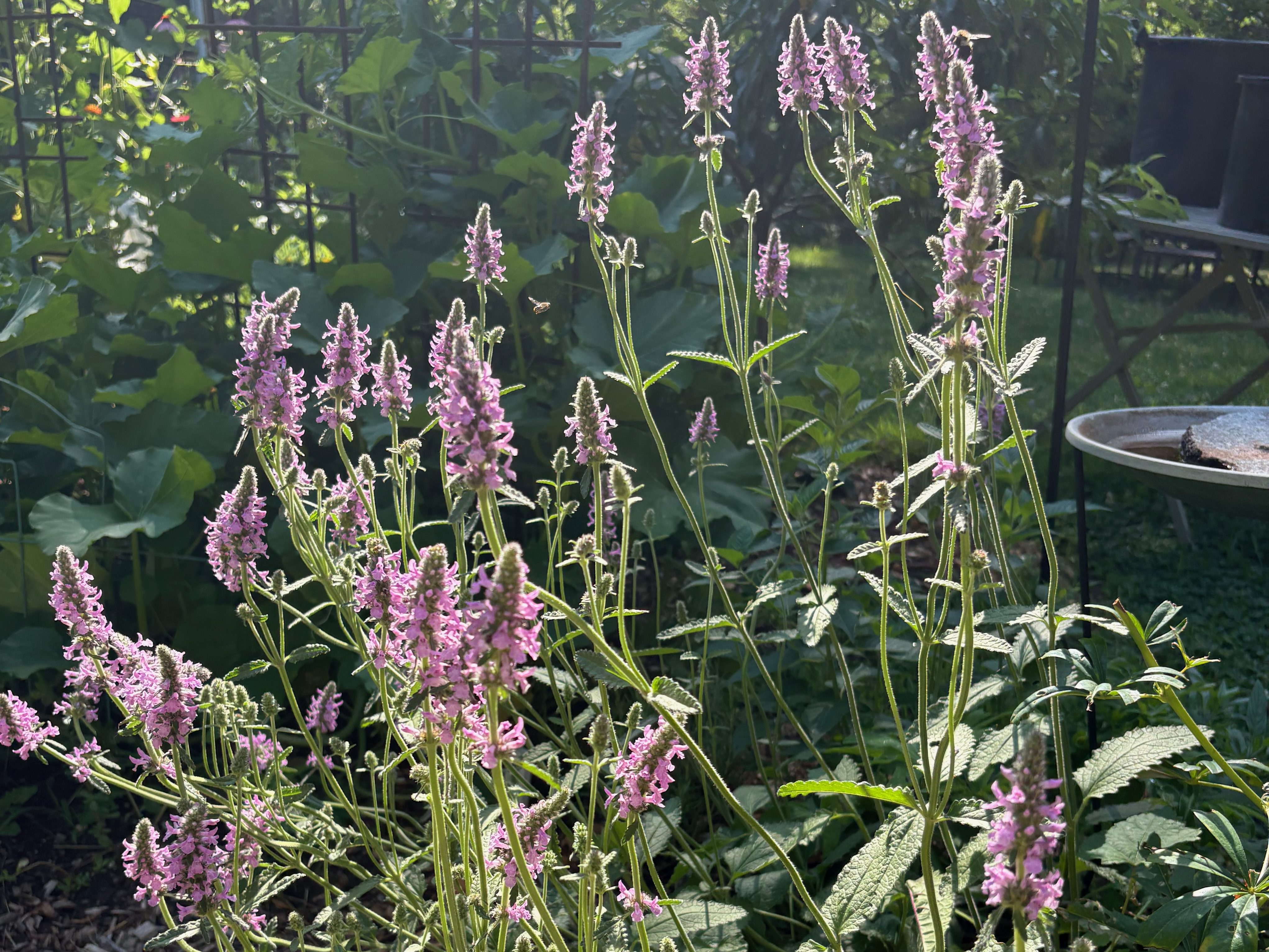
Wood betony, covered in happy pollinators and graceful in the morning light, looked magical. Mint grew tall, absolutely at large and threatening a takeover of the garden, it’s soft leaves rising into the sun and flanked by a regiment of lemon balm.

purple spire flowers in slanting sun
Wood betony is a perennial herb used as a nervine. Graceful purple spires of flowers bloom in July in the Northeast of America.

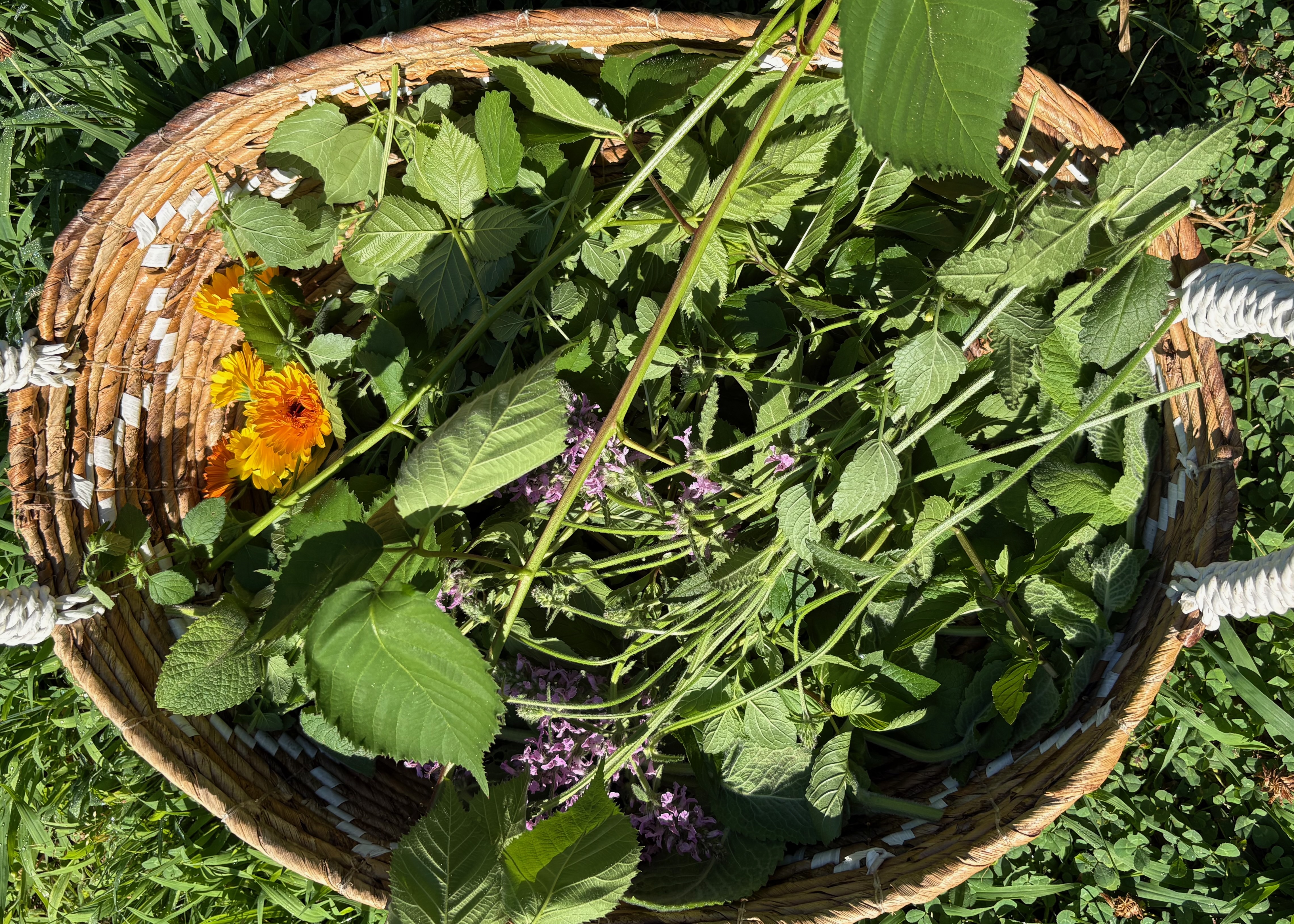
So I joined the bees and their pollinator friends in the garden, collecting calendula, wood betony, peppermint, plantain, and lemon balm to dry for teas.

a mix of herbs an flowers in a basket
summer harvest: wood betony, calendula, peppermint, lemon balm, blackberry leaf

Just past Midsummer and moving toward Lammas, the garden is all abundance.

Leave a comment

Filed under gardening, Herb, herbal medicine, Herbs and Healing

Anxiety and Tension Busting Skullcap

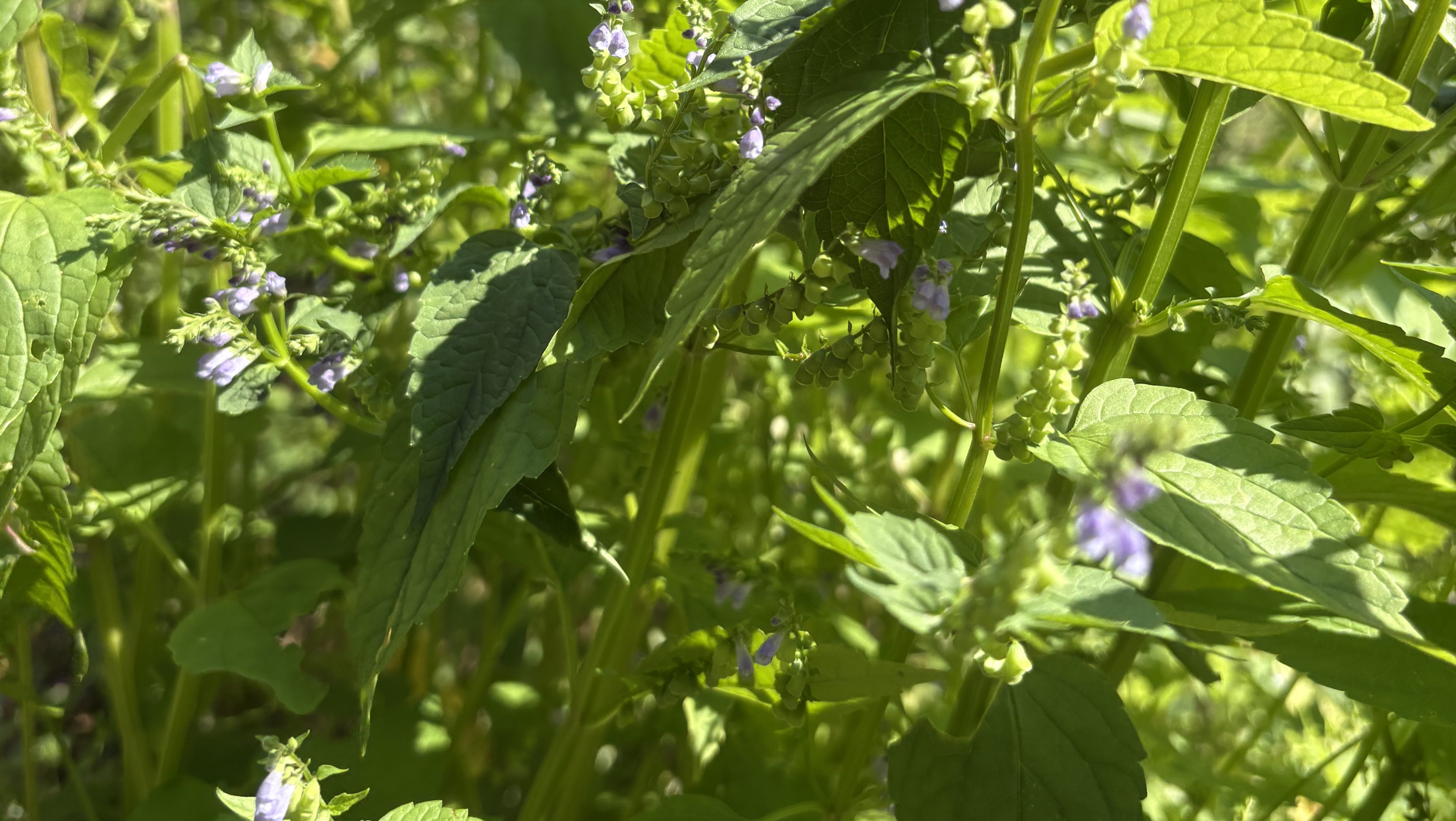
Mint family plant in bloom with blue-purple flowers.
Skullcap is effective for relieving anxiety, calming anger, clearing the head.

Likely the most common request I’ve had for herbal support has been for the relief of anxiety and stress. Speaking for myself, stress, tension, and anxiety have been a condition for which I’ve sought an antidote over the years.

Enter Skullcap.

Skullcap is well known in herbalism as an effective relief for anxiety, stress and muscle tension, especially in the neck, shoulders, and head. Herbal Reality, an excellent source for all things herbal, also notes it is used for the relief of angry hot states and as a support in addiction withdrawl. It’s beneficial for those dealing with tension headaches or TMJ.

Taken as a tea or in tincture form, it’s a reliable way to calm the mind during the day because it does not bring on drowsiness. And combined with Passionflower, Hops, or Wild Lettuce it becomes a sleep formula, lending it’s calming and relaxing effects to the hypnotic effects of these other herbs.

In a tea it has a mild flavor, so it’s easy to add to any loose tea you are drinking or to have on its own. Native to North America, it grows readily in moist places.

It’s a good friend to have along in a dosing bottle of tincture to take the edge off on stressful days… I can personally vouch for it’s effectiveness!

Skullcap is safe for folks of all ages, is gentle, and benefits teenagers who are often anxious. The dose is 5-30 drops of tincture a day or 3-6 grams of dried leaves and flowers in a tea. You can find this delightful herb at Mountain Rose herbs or you can easily grow it in your backyard in a sunny moist spot. Take care to get the right variety – Scutellaria lateriflora – if you choose to grow it yourself!

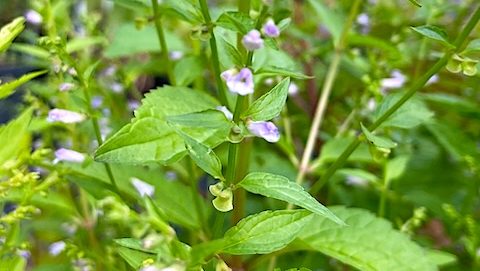
Mint family plant in bloom with blue-purple flowers.
Skullcap, Scutellaria lateriflora and also called Mad Dog skullcap growing happily in my backyard.

Leave a comment

Filed under Herb, herbal medicine, Herbs and Healing

Great in Bed: Passionflower

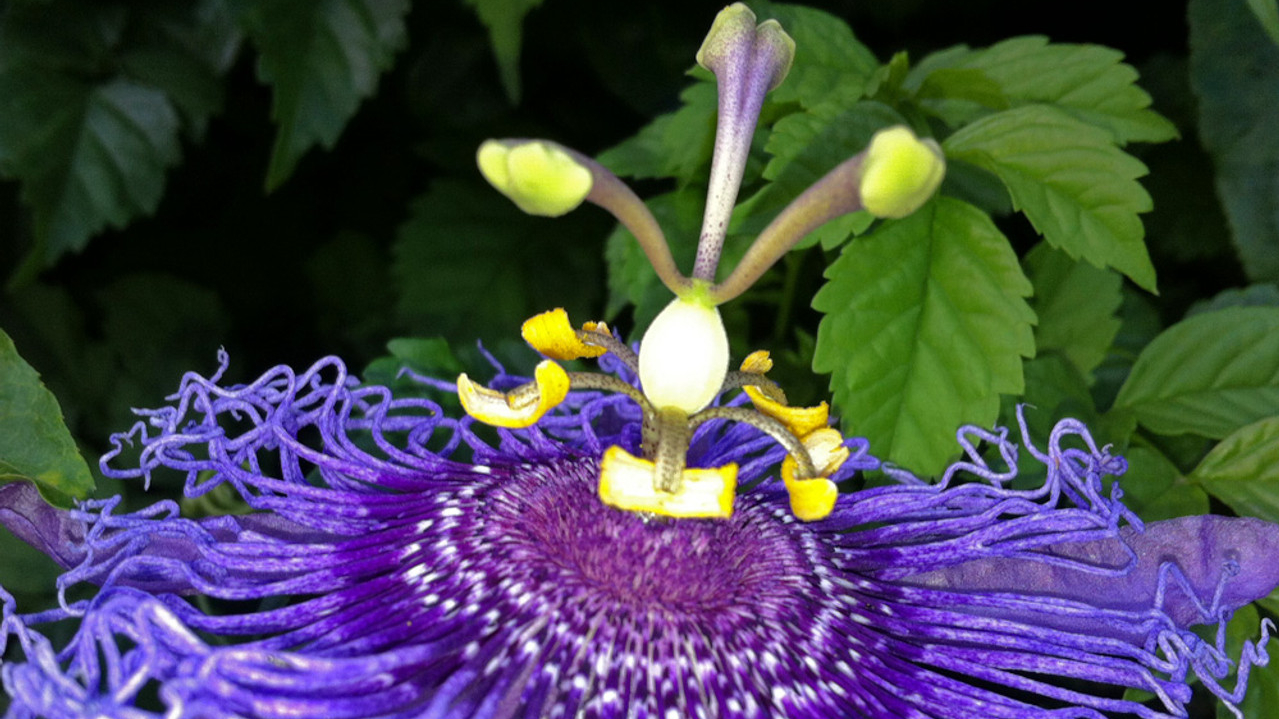
That may seem a little provocative but this is a concrete statement I’m prepared to stand behind. I’ve never met a plant that did more for people during the night than Passionflower.

Sure, Valerian helps you sleep… but Passionflower quiets the night-time ruminating, worrying, anxious, and repetitive thoughts that are so common for people. Categorized as sedative, nervine and anti-spasmodic, Passiflora incarnata is a perennial native to the southeastern US, and the flowers and fruits are the medicinal parts of this plant.

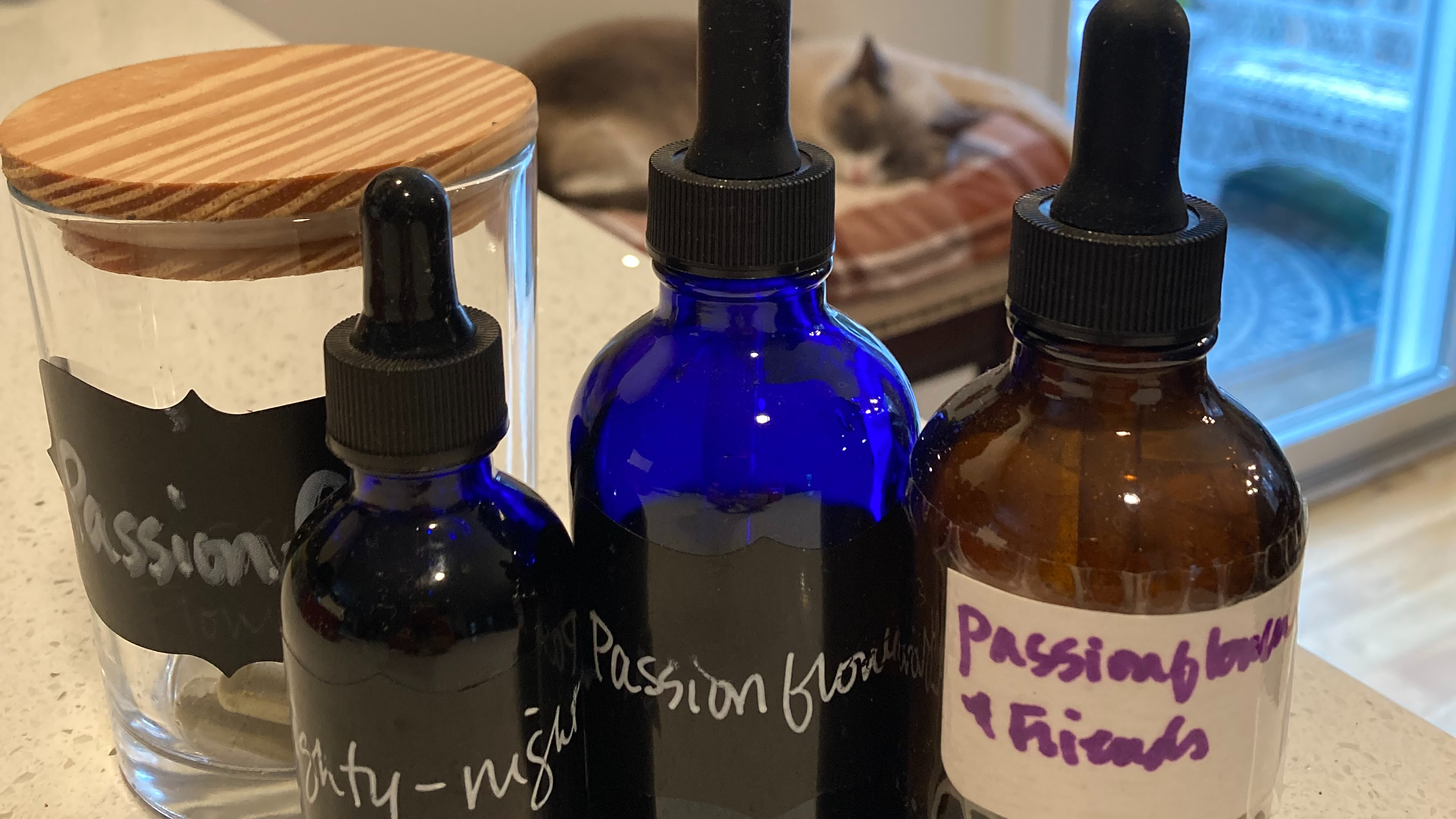
People for whom I’ve recommended it say things like “the best night’s sleep I’ve had in as long as I can remember,” and “wow the Passionflower is awesome!” For my part, I can say that when I take passionflower tincture or a capsule before bed I reliably sleep much more soundly than I do without it. My mind is calm. Also, I am prone to grinding my teeth at night and the passionflower eases that noticeably, too.

There’s more to passionflower than its bed-time virtues. Great for over-active and anxious minds it can be taken during the day, too, to help with anxiety. But I think that Passionflower’s super power is it’s ability to calm the mind for sleep.

I’ll leave it there for now, except to note that I’ve seen in some recent literature that Passionflower isn’t recommended for people who take beta-blockers, or for young children. On reviewing this in the American Herbal Products Association’s Botanical Safety Handbook, though, no safety precautions are reported with the exception of some people reporting allergies to Passionflower.

Safe, effective, and sure to support a better night’s sleep – a pretty good bed partner, wouldn’t you agree?

The content presented here is for informational and educational purposes only and does not substitute professional medical advice with healthcare professionals.

Leave a comment

Filed under Herb, herbal medicine, Herbal Tea, Herbs and Healing