Tag Archives: natural remedies

A Spot of Calm

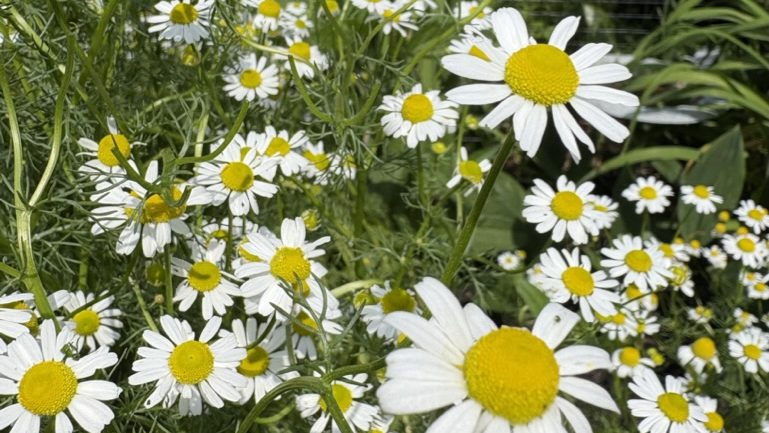
chamomile flowers

Chamomile blooms right around the height of the sun’s arc, beginning before the summer solstice in the Northeast

Thoughts of chamomile seem apropos of the moment. Calming and helpful with digestion and anxiety, chamomile is, in its small but lovely way, an antidote to the fever pitch of the news this summer.

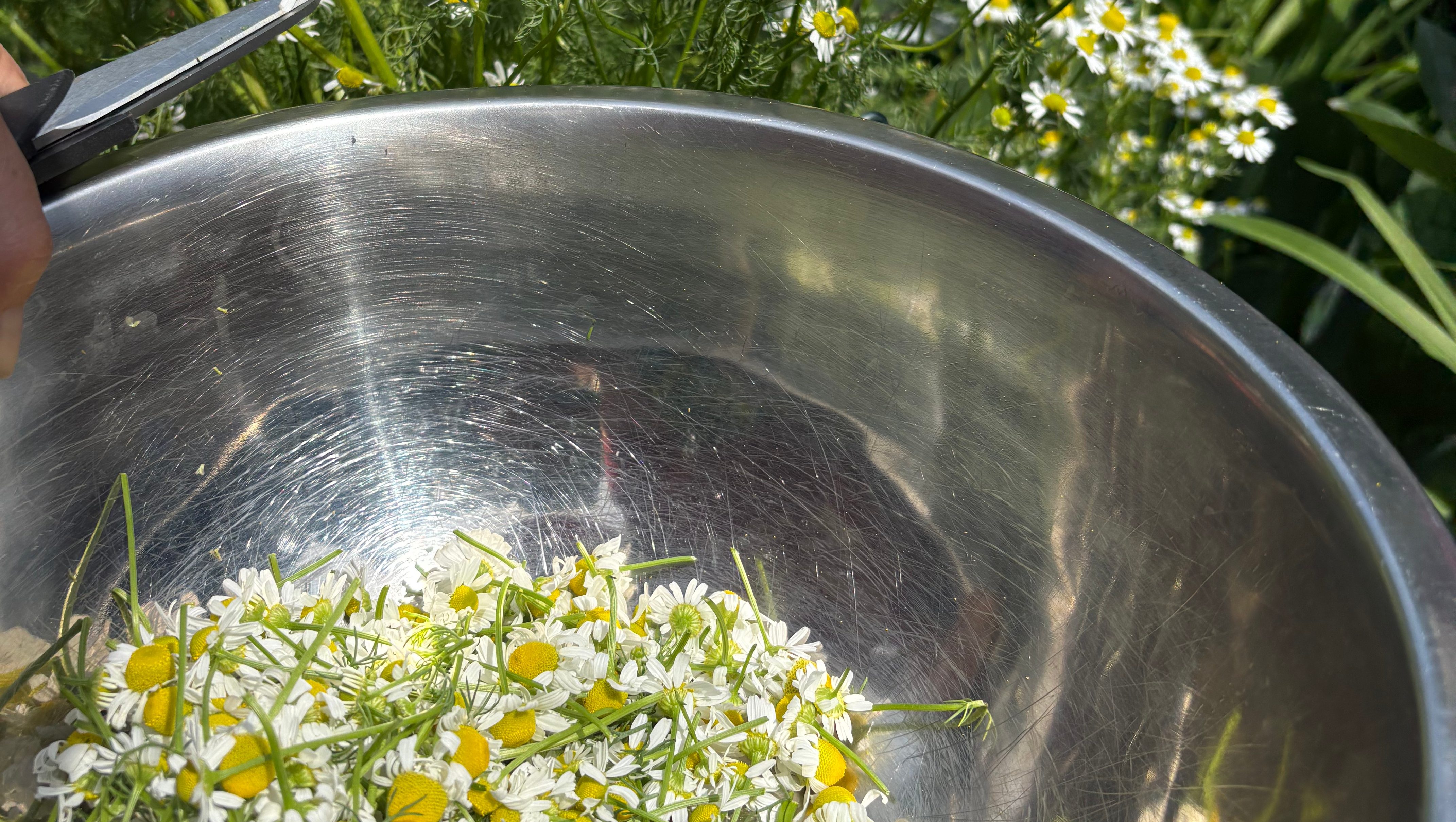
It’s easy to grow, not picky, not overly flashy or showy; in fact its a bit ordinary. All it asks for is a sunny spot and a bit of water during a dry spell. In return it gives a profusion of cheerful blossoms all summer long that you can snip and dry for tea or put into alcohol to tincture for the same benefits. Simple, lovely.

chamomile flowers in a bowl
chamomile grows alongside roses and peonies in my garden, giving me cheerful blooms all summer.

Wishing everyone a bit of sunny calm today on the longest day of the year in the northern hemisphere.

Leave a comment

Filed under Uncategorized

Simple Natural Remedy for Upset Stomach: Peppermint Tea

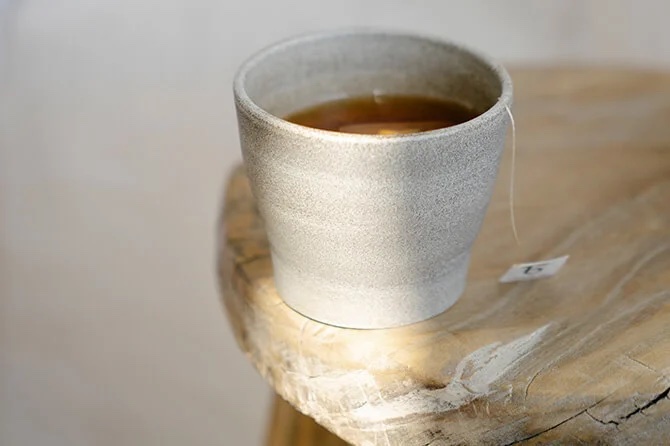
white teacup with a tea bag on a bench.

That last piece of leftover pie I had for breakfast this morning left me thinking “I need a cup of peppermint tea.” Too many sweets over the last few days has taken a toll.

I drink peppermint tea whenever my stomach’s unhappy. Peppermint, the binomial name is Mentha piperita, is known to have other health benefits but it’s enough for me that that it tastes great and soothes my stomach. It’s fabulous after dinner with honey (and maybe even a dollop of cream) for a sweet treat, too.

To make it:

  • Boil water
  • Pop a peppermint tea bag into a mug of the boiling water.
  • Cover the tea – this keeps those volatile oils in your teacup. You can use a little dessert plate over the cup if I don’t have a proper teacup.
  • Let the tea steep for at least 5 minutes (10-15 minutes is better).
  • Enjoy the mint on its own or add honey or milk if that appeals.

You can buy peppermint tea bags at the grocery. Or you can grow it! It’s easy… so easy, in fact, that it will spread if left alone.

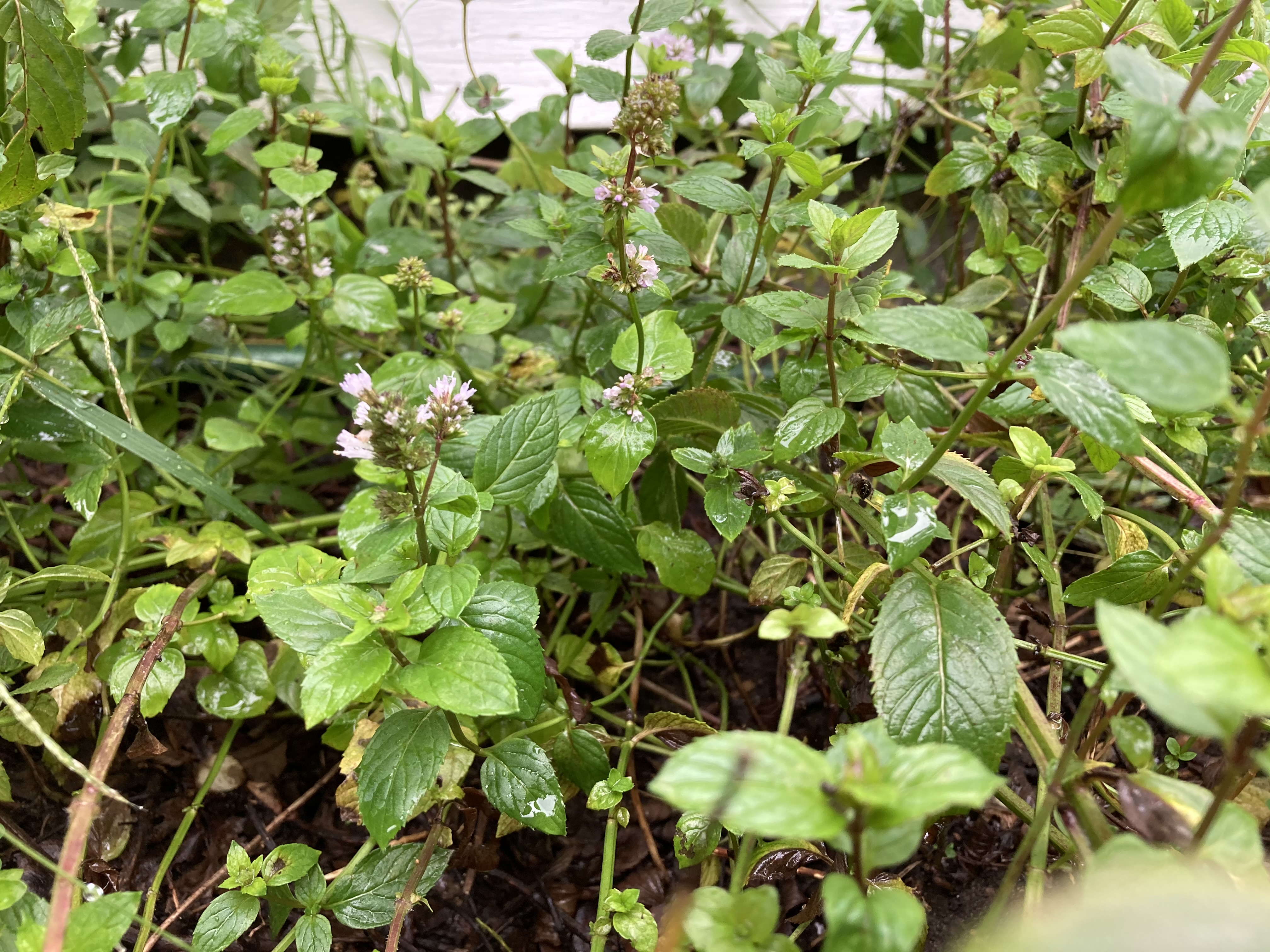
Peppermint plants

The peppermint show above is in my garden. Peppermint is perennial. If you plant it in good soil it will grow in sun or part shade. It isn’t fussy and I’ve never needed to water it once it was established, though it thrives with periodic watering. But be careful! It will take over your garden if you let it!

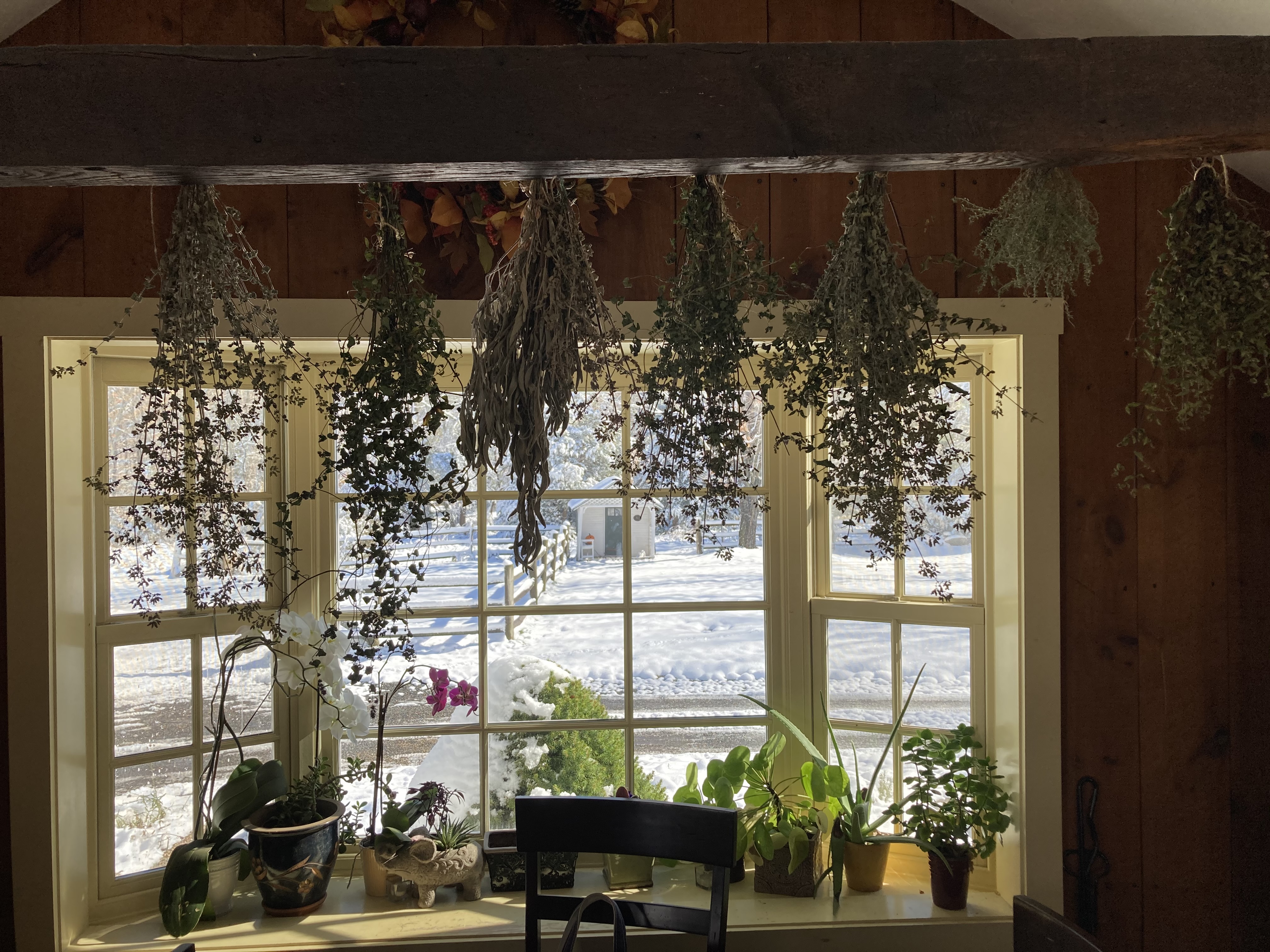
To make tea just cut the stems and hang them up to dry or use a dehydrator.

peppermint hung to dry.

Leave a comment

Filed under Uncategorized

Chill Out with Easy Breezy Linden Tea

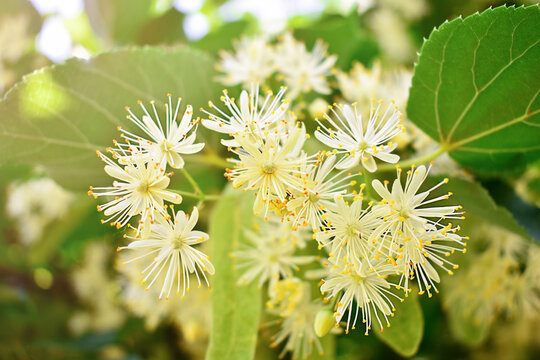
yellow and white Linden flowers blooming

Last June during a work day at the Herbal Apothecary in Brewster Stephen asked me to help him harvest Linden from the tree that grows out behind the shop. It’s a beautiful, towering tree and to get to the flowers and bracts he raised me up in a tractor bucket with a basket. It was great fun.

Bees love Linden flowers so we had to be careful, but we came away with a giant heap of beautiful fragrant flowers that he made tincture from in the shop.

Right now I’m sitting with a hot cup of fragrant Linden tea, made from the flowers and bracts. I noticed as I was working on some paperwork that a nice warm feeling of mellow calm swept over me, relaxing me. Chilling me out. And yes, that was the effect I was looking for. I love this feeling.

This tea is lovely. I didn’t even add honey, and I have a sweet tooth; I add honey to almost everything.

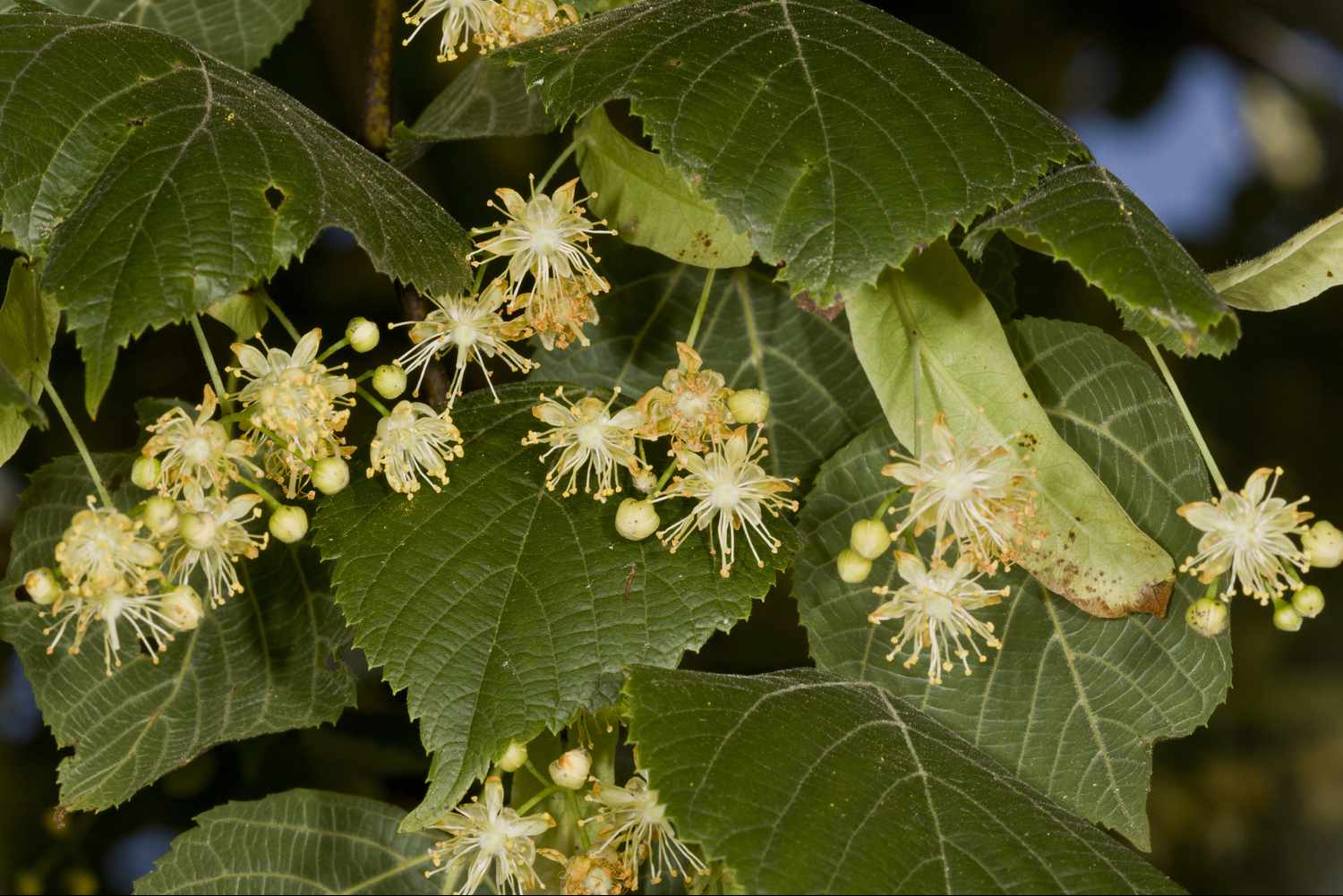
linden tree leaves and flowers,

A few related notes, just to round off my notes here about Linden.

  • Linden is relaxant and cooling. It gives wonderful support for conditions like high blood pressure, and stress related heart problems.
  • Soothing to the nerves it is helpful where Fibromyalgia or other nerve pain are present.
  • Linden is very safe, even for children and pregnant women.
  • Linden grows large and abundantly in the northeast and in many places, so we are free to harvest as many flowers as we like.

I have tinctured it and enjoyed it as tea. Bur during my Herbalism class (Commonwealthherbs.com) I learned that infusing linden in white wine makes a lovely cooling summer drink. Nice idea, right? They also suggest tincturing it in honey and vodka for a sweet and refreshing tincture/drink.

So much to love about Linden.

1 Comment

Filed under Uncategorized

Green Magic in Late Autumn

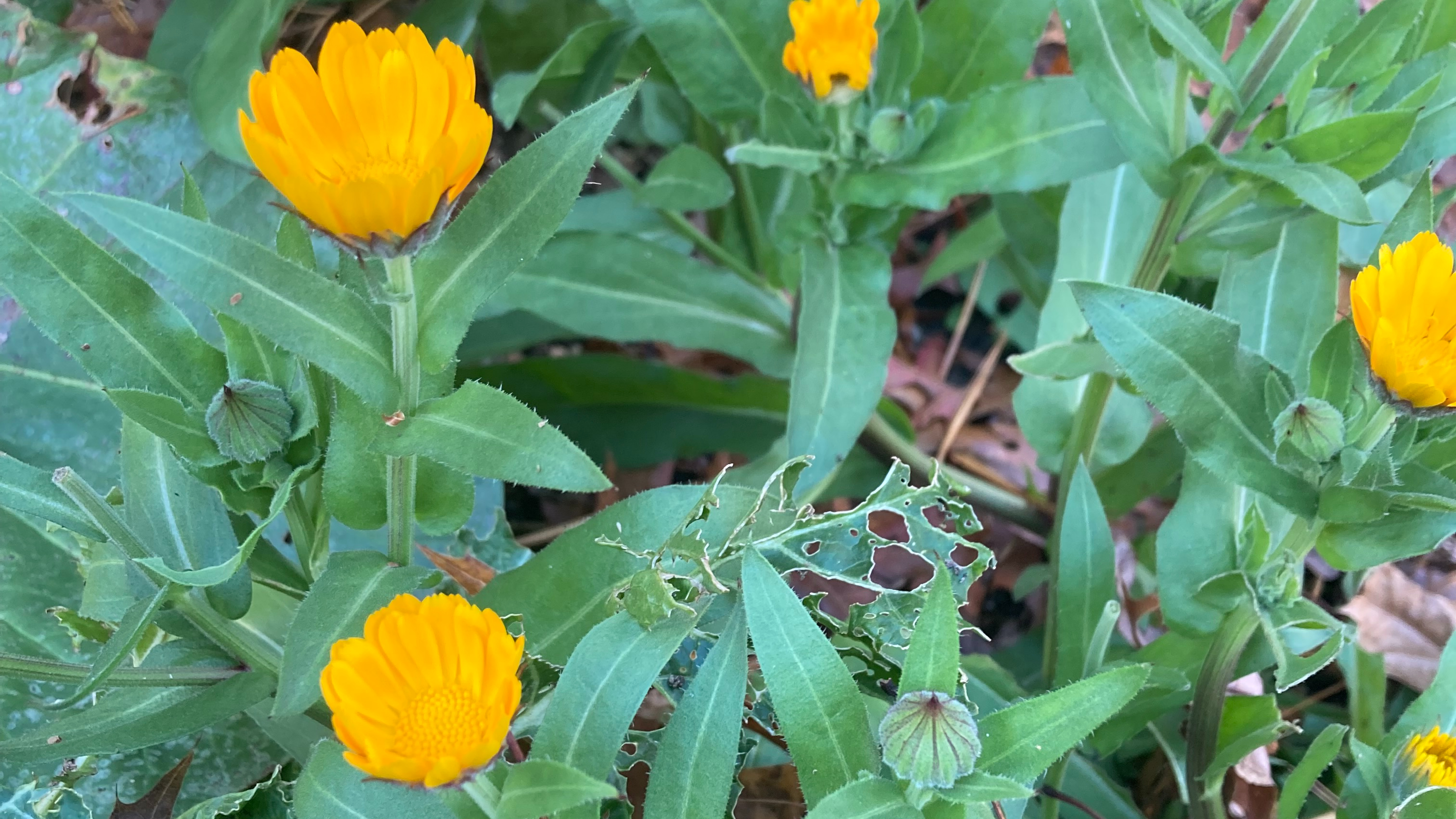
calendula blossoms on their green stems
calendula blooming in late fall

It’s always a good time to appreciate plant world magic. It’s a reason to be cheerful or grateful that is always there, always happening. We just don’t always notice.

A couple of magical little things at work in my garden right now: Calendula pictured above, still blooming beautifully (at least until a hard frost!)

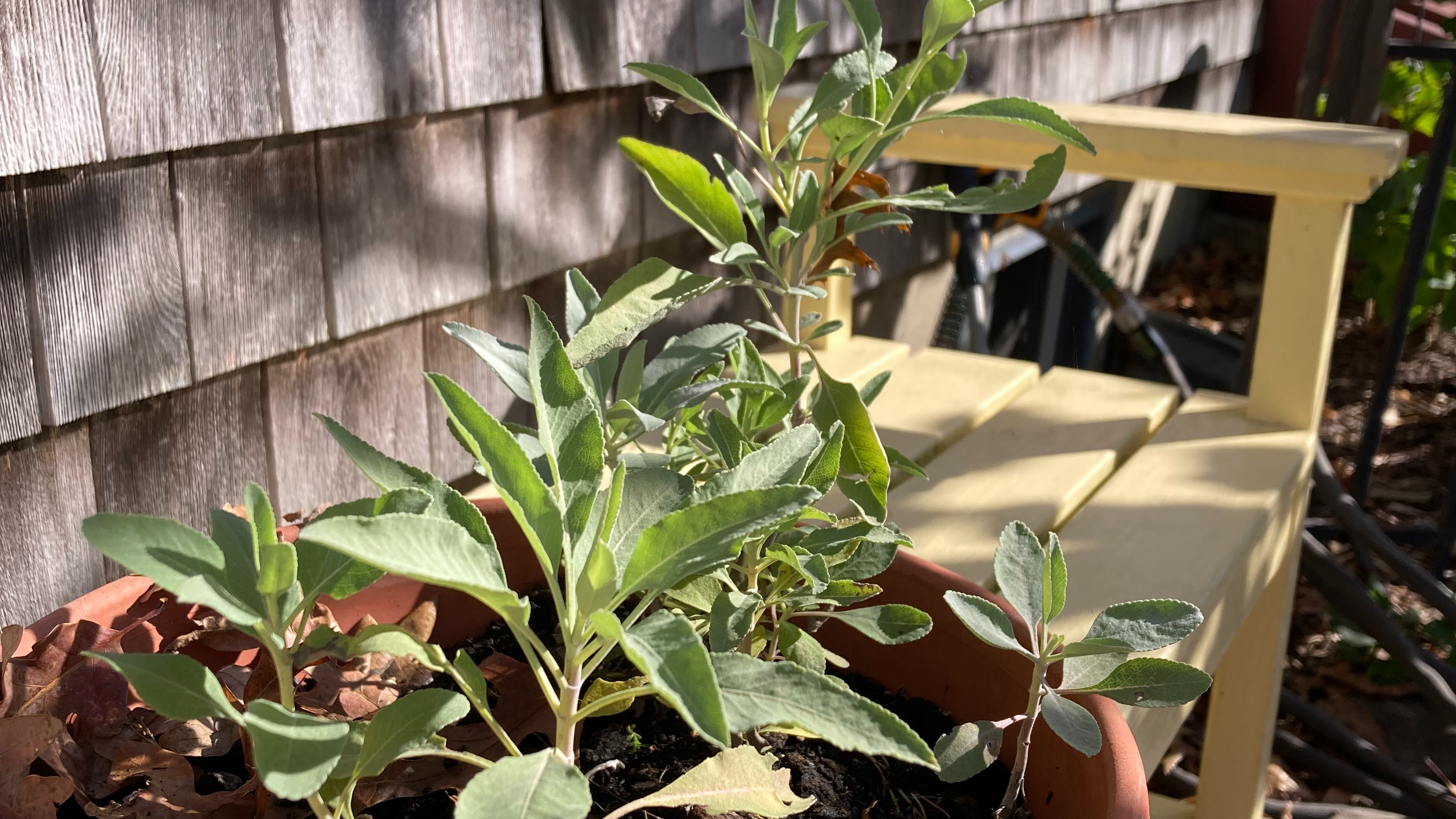
white sage in afternoon sun

White sage – not a native of this area. And in danger. But this lovely plant pictured above grew in a pot for me this year from seed. White sage is the plant people buy to smudge a new apartment. As a traditional energetic cleanser it’s been over-harvested. I’m grateful it chose to grow in my garden!

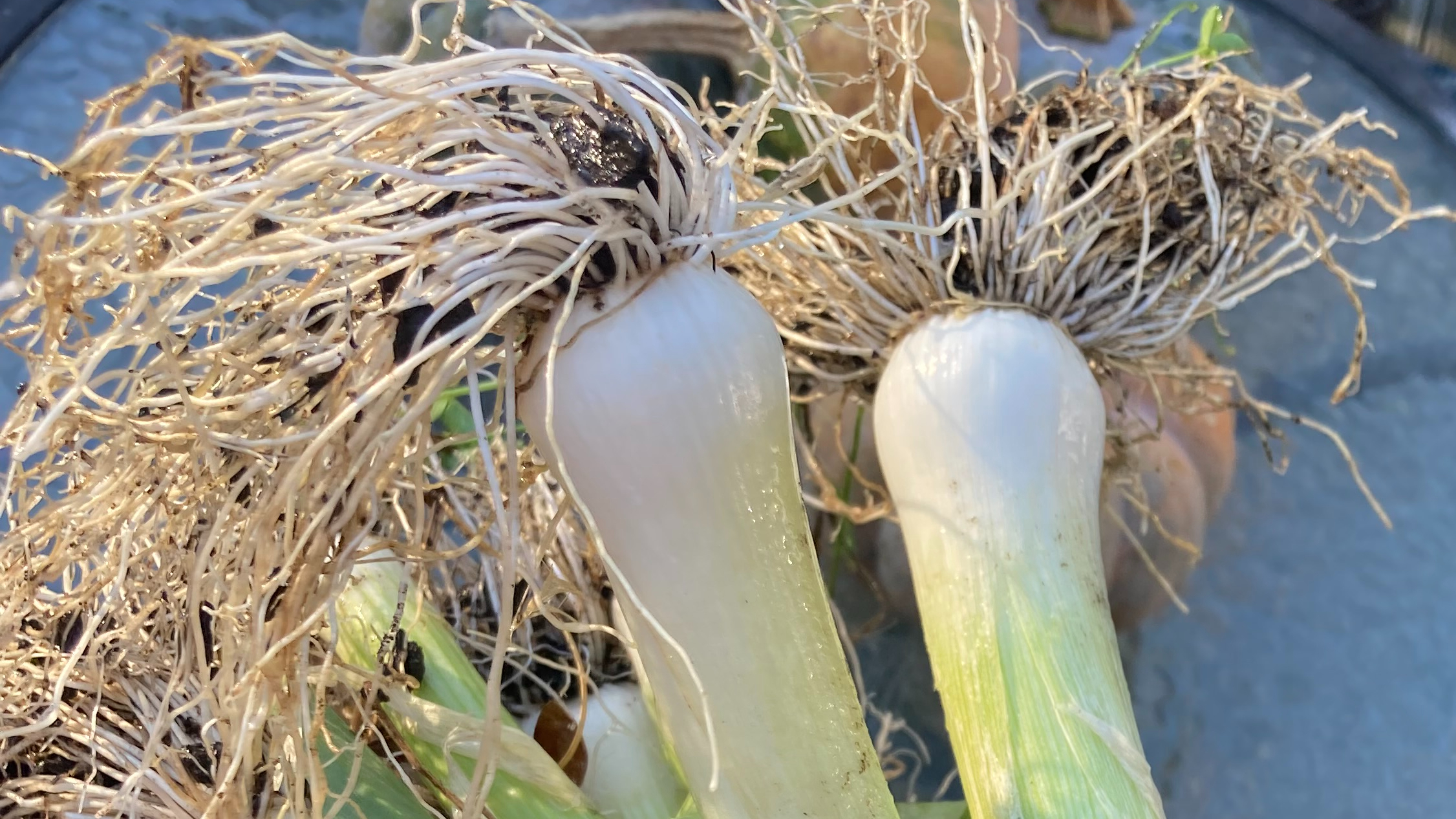
a bunch of leeks
leeks, dirt still in the roots, from the vegetable garden

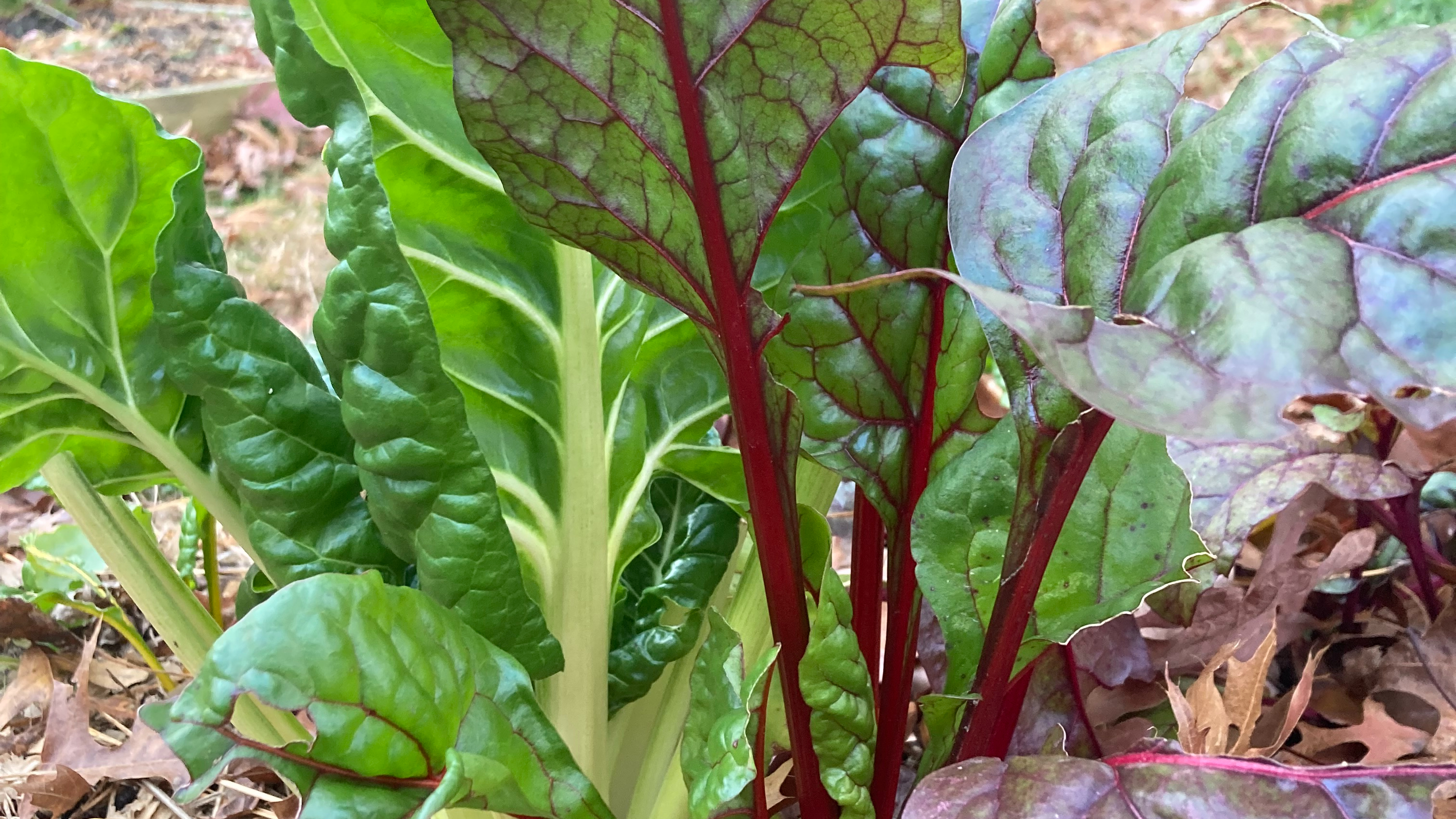
Leeks. We don’t think about mid November as a time for harvest but my carrots, leeks, and swiss chard are still going strong. Not interested in tempting the fates, I harvested them today. Pictured above.

Swiss chard, a spring green, loves the fall, too. Yum.

Green spirits to feed, protect, and nourish us- still afoot in the garden. At least for now. And when the snow fairies arrive to bring the fallow season, some lovelies will sleep until spring – even more magic.

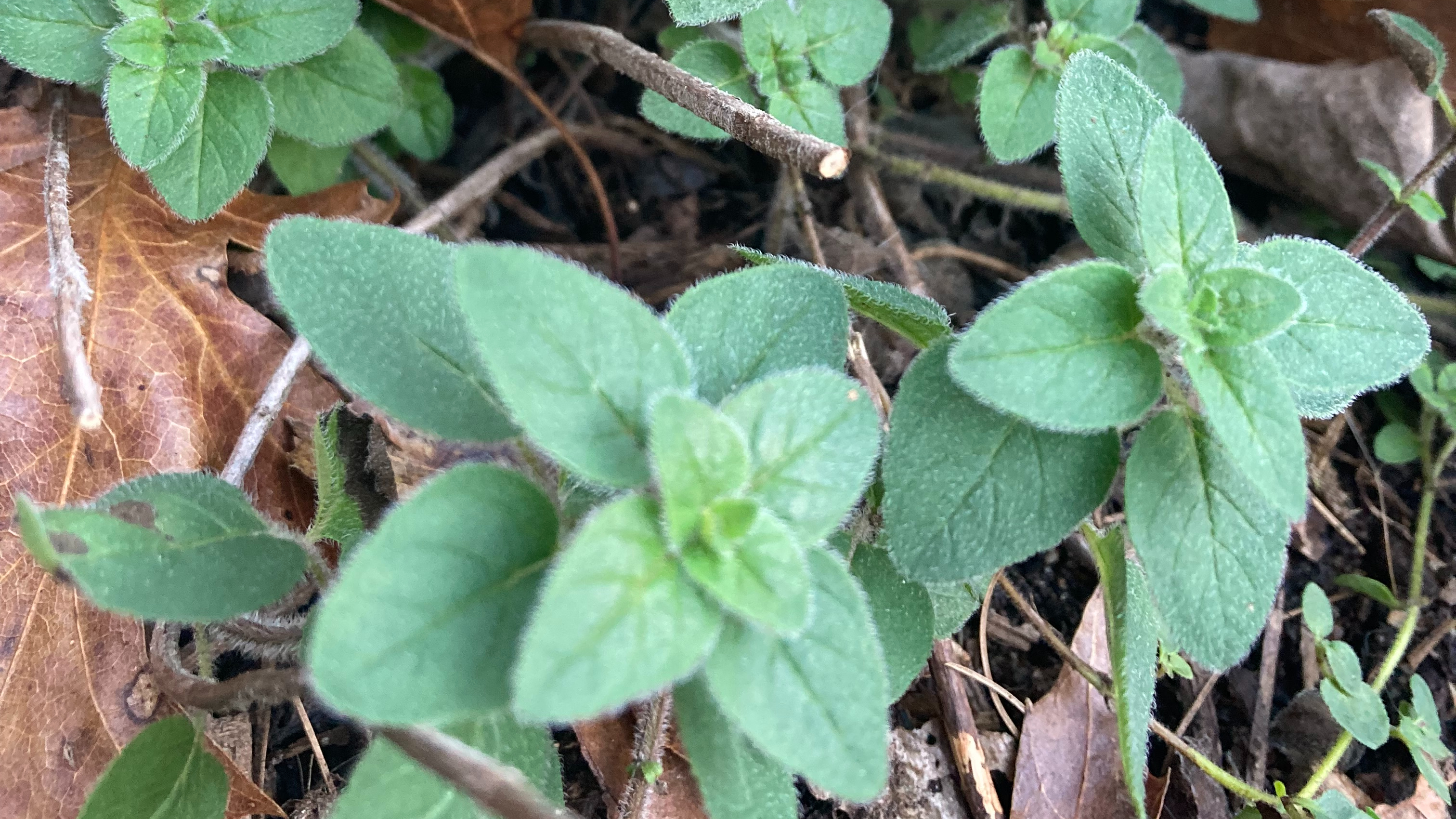
Oregano, still tender and green after a summer haircut, winters over beautifully to emerge again in the spring…

Leave a comment

Filed under Uncategorized

Presto Pesto: Food as Medicine

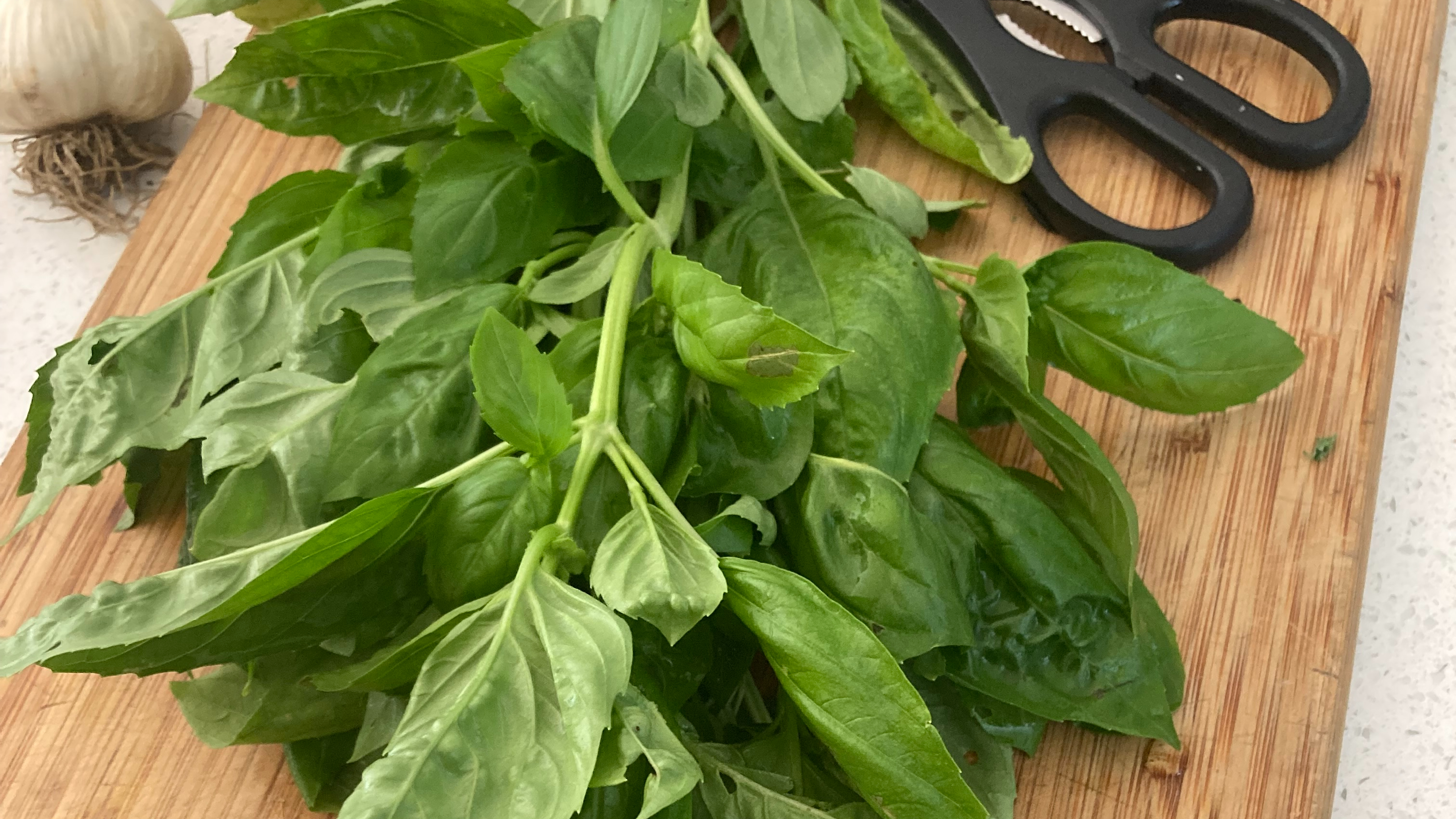
basil on a cutting board with garlic and scissors
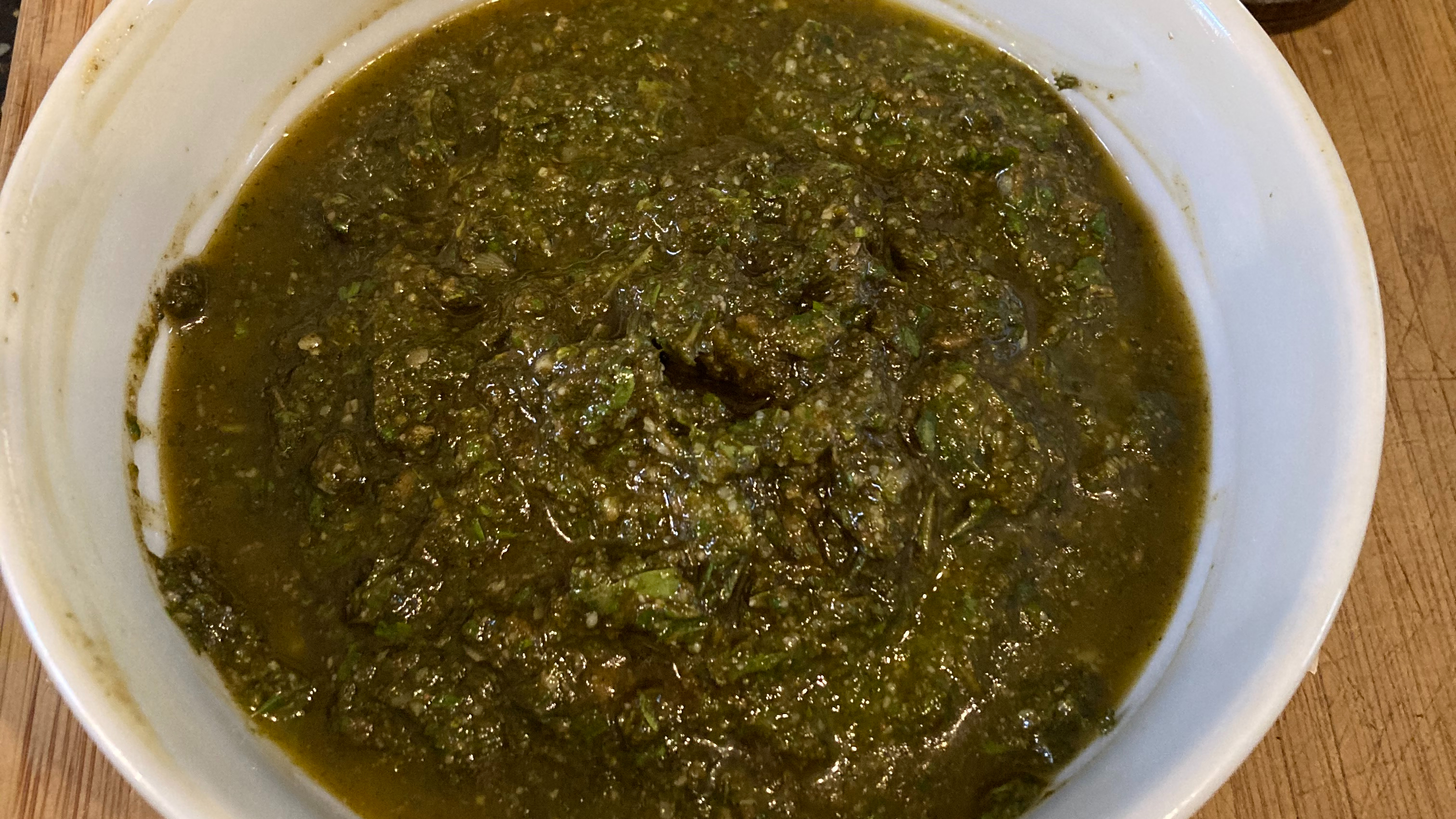
basil just cut from the garden or bought in the produce section of the grocery makes delicious pesto

Basil is easy to grow. The secret is watering with some seaweed emulsion fertilizer. If you don’t garden you can pick up fresh basil or even a plant at the grocery store and make pesto fresh at home. It’s *so* much better than jarred pesto.

As to basil’s health benefits: it’s soothing to the digestive and nervous systems. It can ease gas, stomach cramps, and nausea. It can be helpful for fatigue, depression, and nervous irritability. Full of antioxidants, it’s been shown to support healthy blood sugar, heart and vascular health, immunity, and cognitive ability. A delicious food that’s great for your health – truly food as medicine.

It’s easy to make Pesto with or without nuts. For that matter, the french make something very similar, Pistou, that omits the cheese and the nuts and focuses on the garlic and the basil. So you can make this sauce in whatever way you please. Here’s a variation recipe:

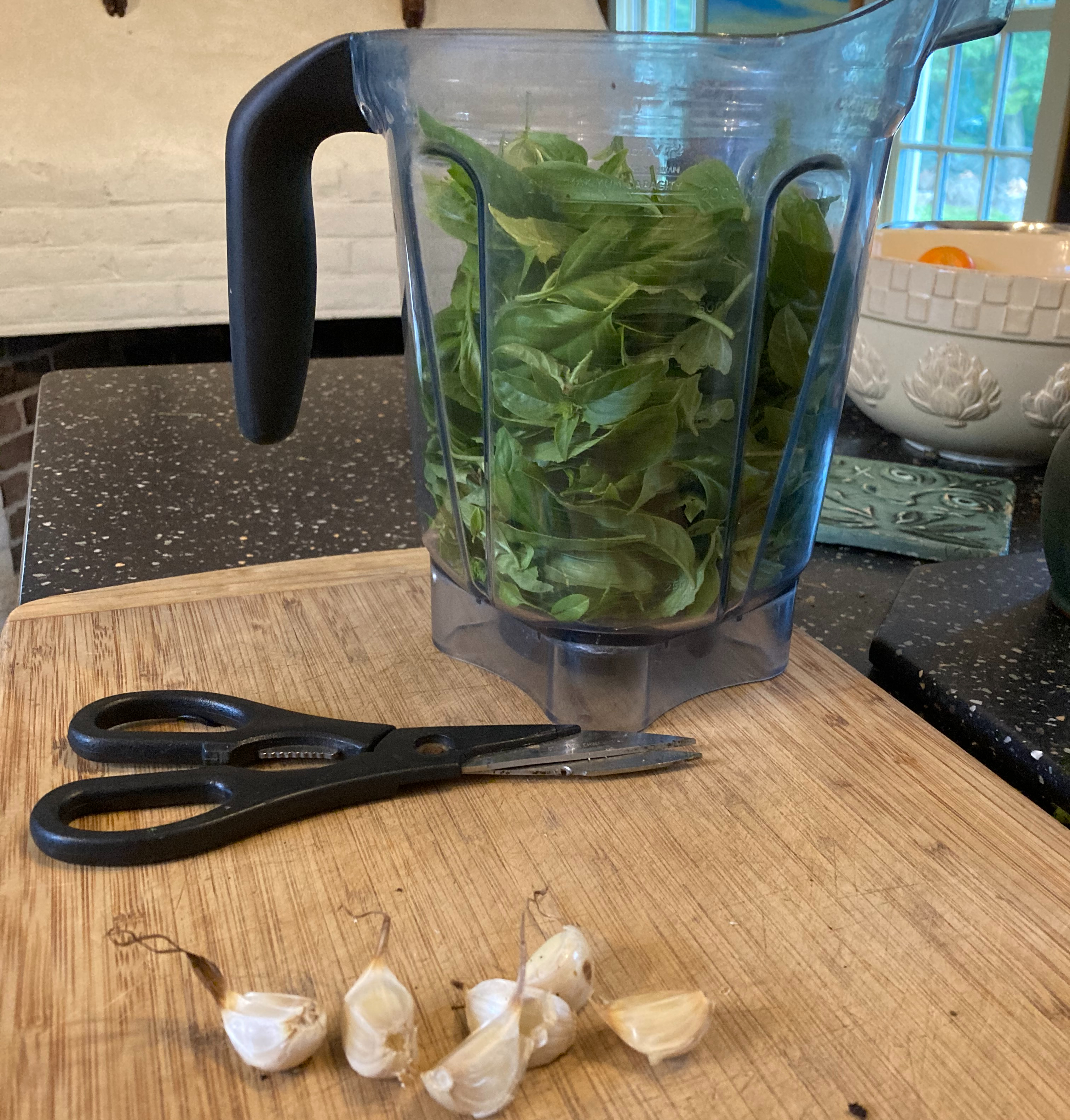
  • a blender full of fresh basil (blanched or not, optional)
  • 2-4 bulbs of garlic, roasted.
  • 1 Tbsp lemon juice
  • 1/4 c parmesan or romano cheese
  • olive oil
  • salt and pepper.
  • optional – pine nuts or walnuts

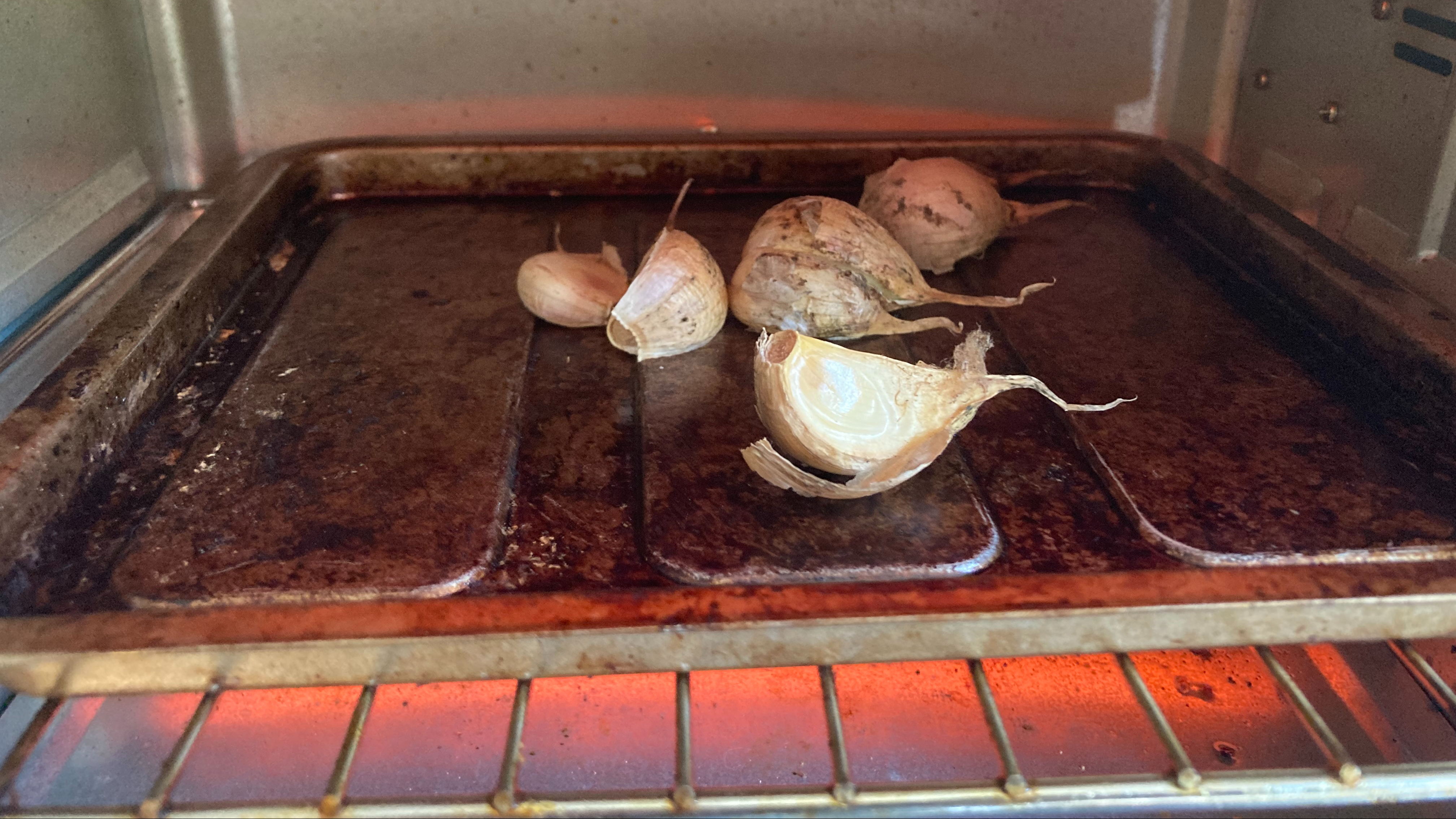
Roast garlic by putting unpeeled bulbs in a toaster oven or toaster and toasting at 350 until the peels are starting to brown.

Roasting the garlic really adds a warm, nutty flavor to the pesto that I love.

To make your pesto place the basil in the blender with the roasted garlic, cheese, salt and pepper, lemon juice, and nuts, and blend away.

Delicious on pasta, toast, chicken, sandwiches, whatever… And so good for you.

Leave a comment

Filed under Uncategorized

Fall Brew: Mighty, Warming Fire Cider

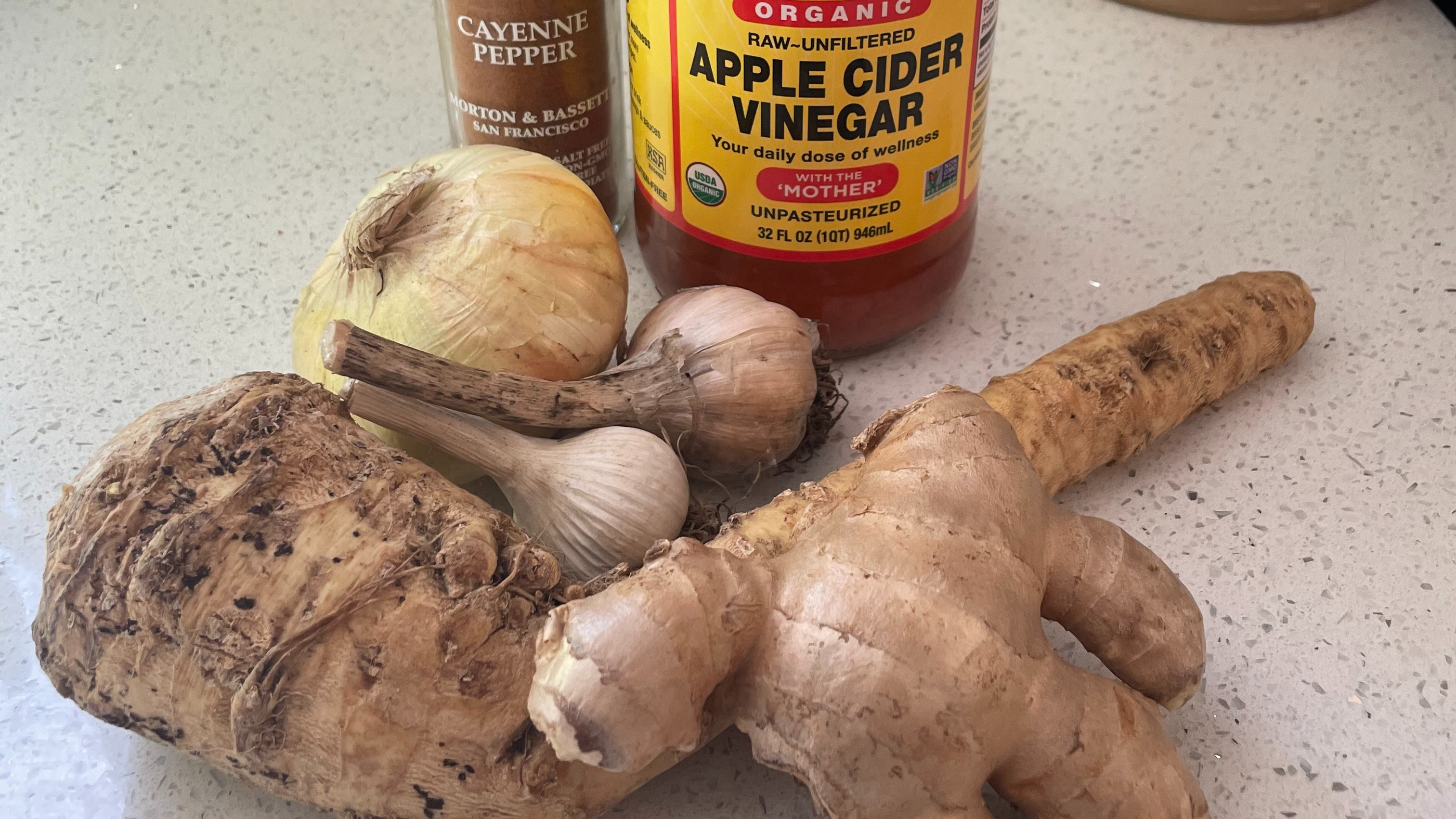
apple cider vinegar with onion, garlic, ginger, horseradish and cayenne
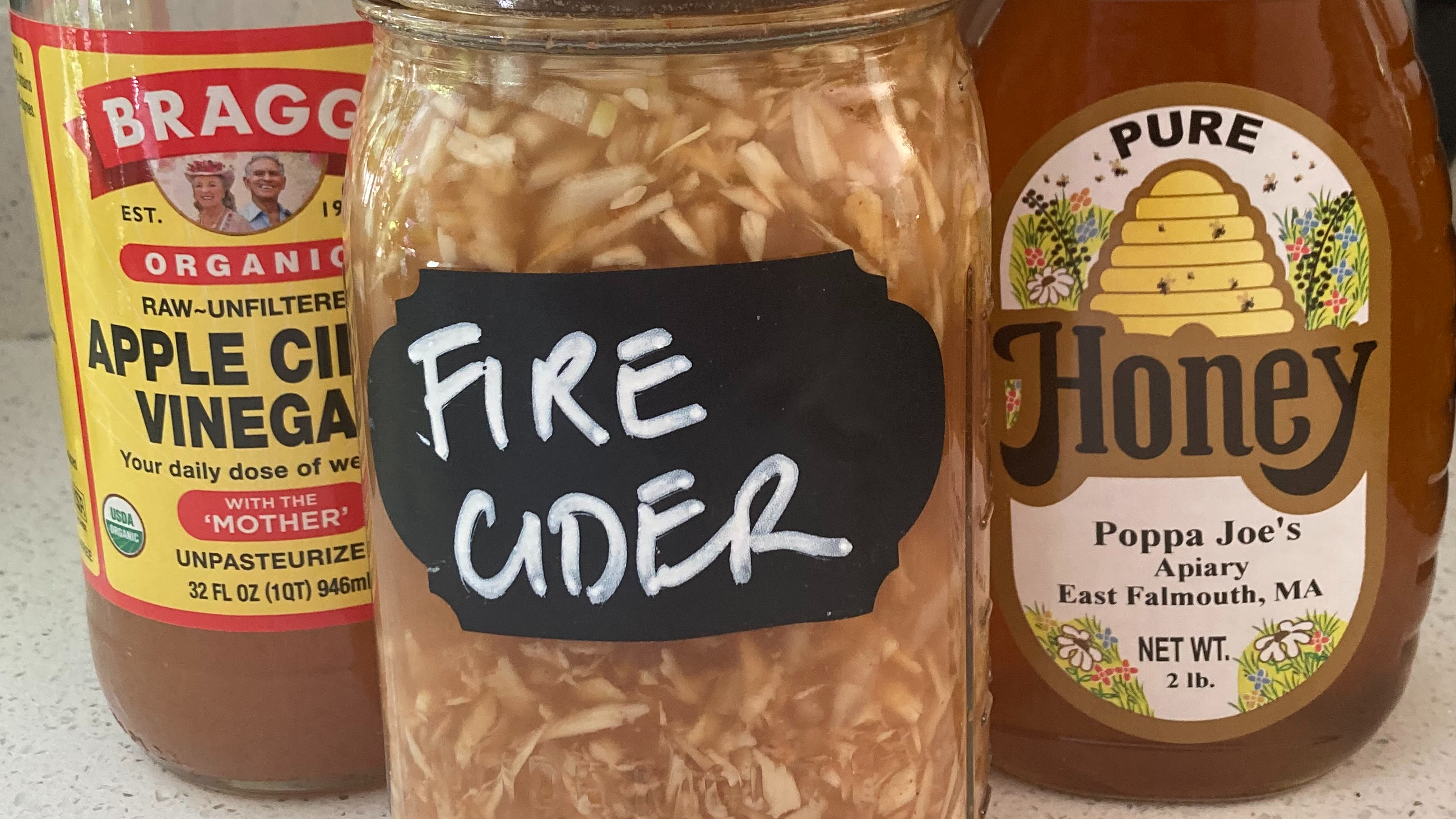
Fire cider is great for your immune system, leveraging garlic, onions, ginger, horseradish, cayenne, honey, and apple cider vinegar.

Healthful tonics like this one have been around and in use since ancient times — our ancestors knew what was good! In the 1970s, Rosemary Gladstar, a wonderful herbalist, coined the term “Fire Cider” and it stuck. The recipe is below – feel free to scroll down directly.

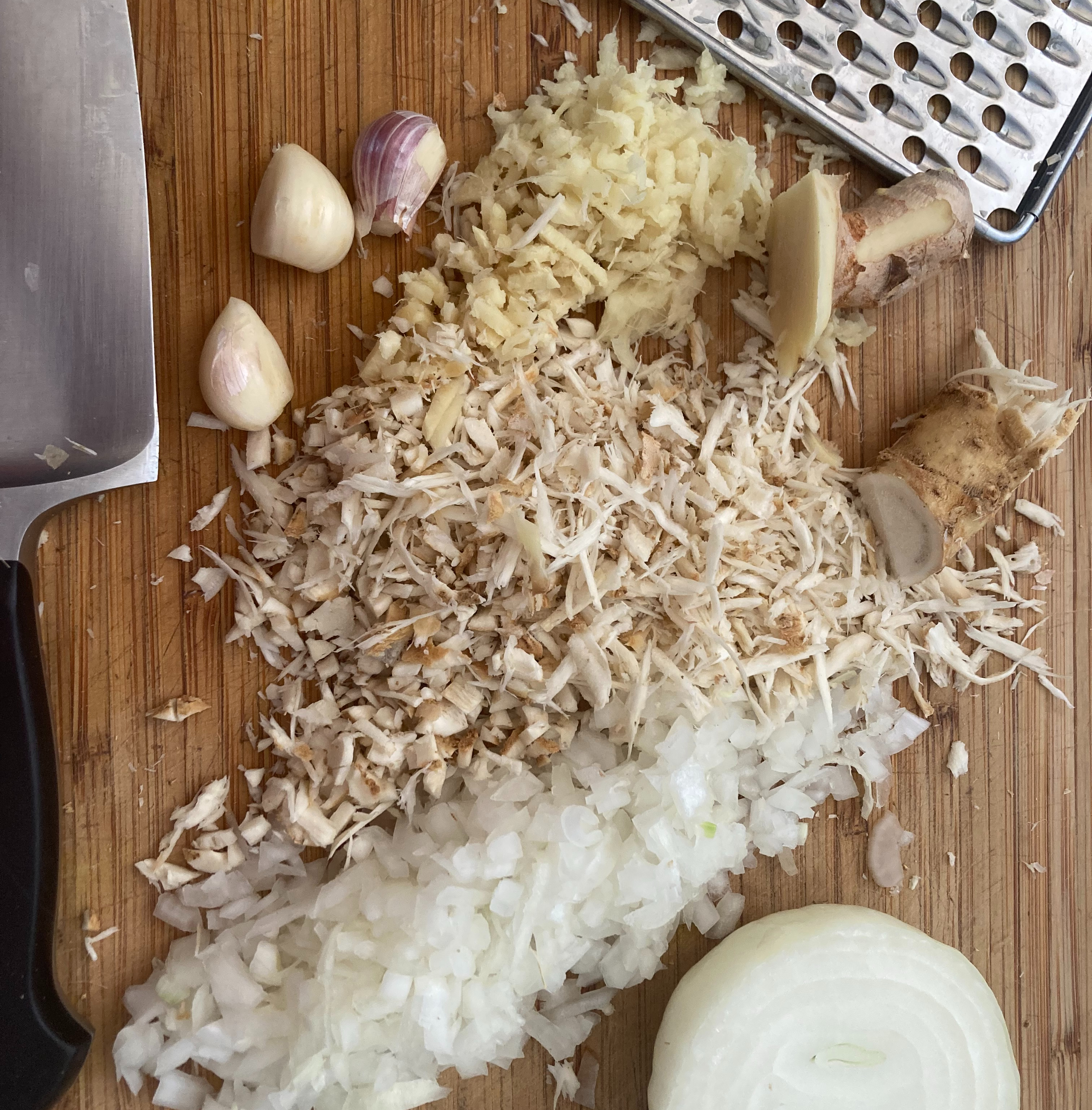
Fire ciders are popular; there are many recipes out there. A simple one: chop onions and garlic and grate horseradish and ginger, and add it all to apple cider vinegar, ensuring the roots are submerged. Let them stew, shaking daily for 3-4 weeks, and add cayenne and honey to taste (this basic recipe comes from Rosemary Gladstar’s herbalism certificate through ecoversity).

Whipping up a healthful potion is always fun, and It would be hard to overstate the value of Garlic, ginger, onion, and horseradish roots combined with apple cider vinegar, for good health:

Garlic: An ally against colds and flu, support for immune function, healthy cholesterol, and a vermifuge/in treating intestinal worms.

Ginger: Reduction of inflammation, joint pain, cramps, nausea, and morning sickness.

Horseradish: traditionally known for its power to clear your sinuses, horseradish is full of antioxidants and nutrients, antibacterial properties, and is good support for healthy metabolism, digestive health, healthy cholesterol and, of course, as a decongestant.

Onions: Rich in antioxidants and packed with flavor, WebMD says “They’re rich in chemicals that can help protect your heart, lower your risk of some cancers, and make it easier for your body to make insulin. Onions are also one of the greatest vegetable sources of quercetin, a plant compound with many health benefits.”

I think fire cider is fun to make. I’ve been cooking with garlic, ginger, onion, and cayenne for years–all are aromatic and lend food an irresistible flavor profile … but horseradish was a new acquaintance when I first made fire cider. Grating it releases volatile compounds and a pungent, strong aroma that was unmistakably familiar as an ingredient in winter and fall sauces.

I had to hunt around to find fresh horseradish; if you see it at the grocery grab it! It’s a cold hardy perennial that you can also consider growing.

I love having a remedy on hand for days when I or a family member feel a cold coming on – and fire cider does the trick. Tough love in a jar, you can take a teaspoon every day to support your immune system or use it on salads.

And keep it on hand! You’ll want to take 1-2 tablespoons at the first sign of a cold and repeat every 3-4 hours until symptoms subside.

Basic Recipe:

  • 1/2 cup grated fresh horseradish root
  • 1/2 cup (or more) chopped onions
  • 1/4 cup (or more) grated ginger
  • 1/4 cup or more chopped garlic
  • Apple Cider Vinegar (raw and organic if you can get it)
  • Cayenne pepper (fresh chopped or powder or flaked – whatever you have/can get)
  • honey to taste

Directions – add the horseradish, onions, ginger, and garlic to a jar and pour the apple cider over it to immerse the ingredients by a couple of inches. Seal and store in a warm spot. Let it macerate for 3-6 weeks and shake it

Leave a comment

Filed under Uncategorized

Banishing Overwhelm

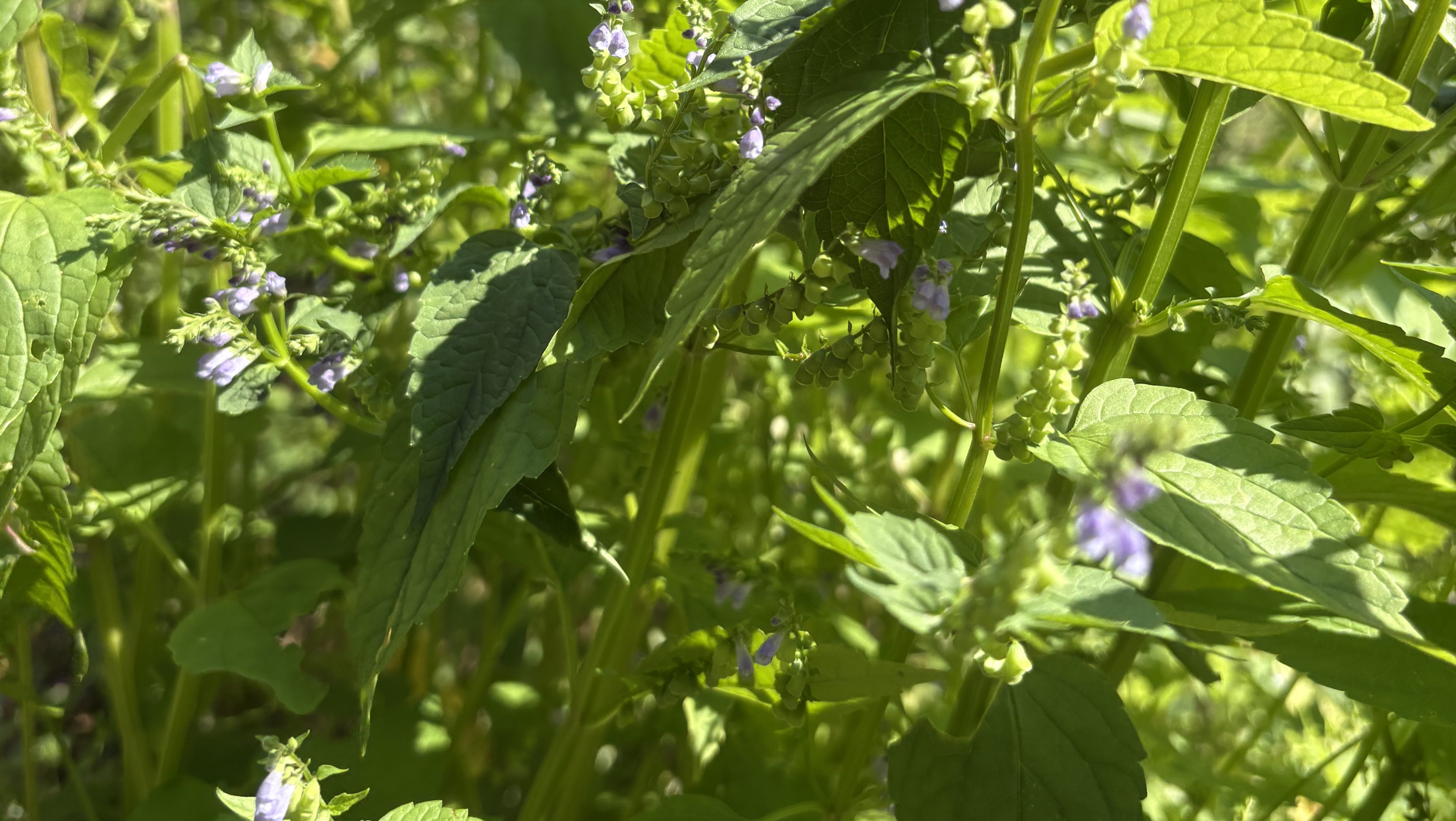
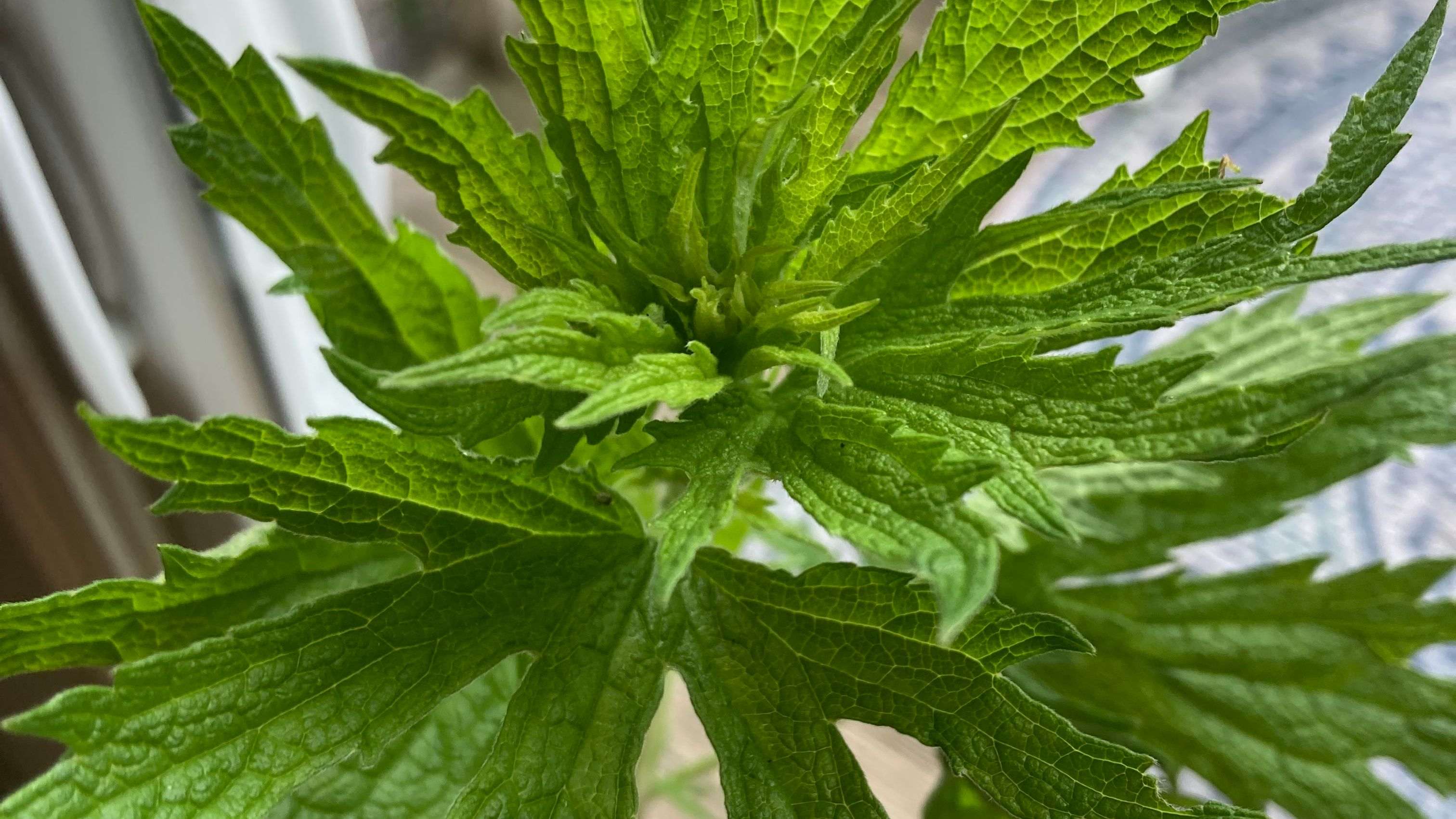
serated green leaves
motherwort leaves cut before flowering

This is no ordinary plant. You might say “well, Kirsti you think all plants are special,” and that’s true. But I have a real love affair going with this one.

Overwhelm is a real thing in our society. We all know the feeling of a too-long to-do list. And the overly full chest, overly heavy feeling that accompanies difficulty focusing in the face of a long list of tasks. And the anxiety that accompanies that has a way of setting in and staying.

Motherwort, pictured here, is widely used to truly calm that kind of anxiety in just such moments. A few drops of the tincture under the tongue definitely chases the feeling of overwhelm away. It’s legendary, used also in blood pressure remedies, to strengthen the cardiovascular system, and as support for premenstrual and menopause symptoms. If I had only known about it years ago, I could have eased many years of intense premenstrual cramps.

Just the other day I was out walking with a clinical herbalist, Stephan Brown, in his garden here on the cape. I’ve been taking motherwort tincture for months, originally to help with my blood pressure, I soon learned it benefits my mental state, as well.

But I have never seen the plant growing and I could not have identified it if it jumped up and slapped me in the head.

Knowing nothing about me or the remedies I favor, Stephan plucked a stem of motherwort from a nearby plant and presented it with a flourish. Herbalists and plants are both naturally psychic. There’s no getting around it.

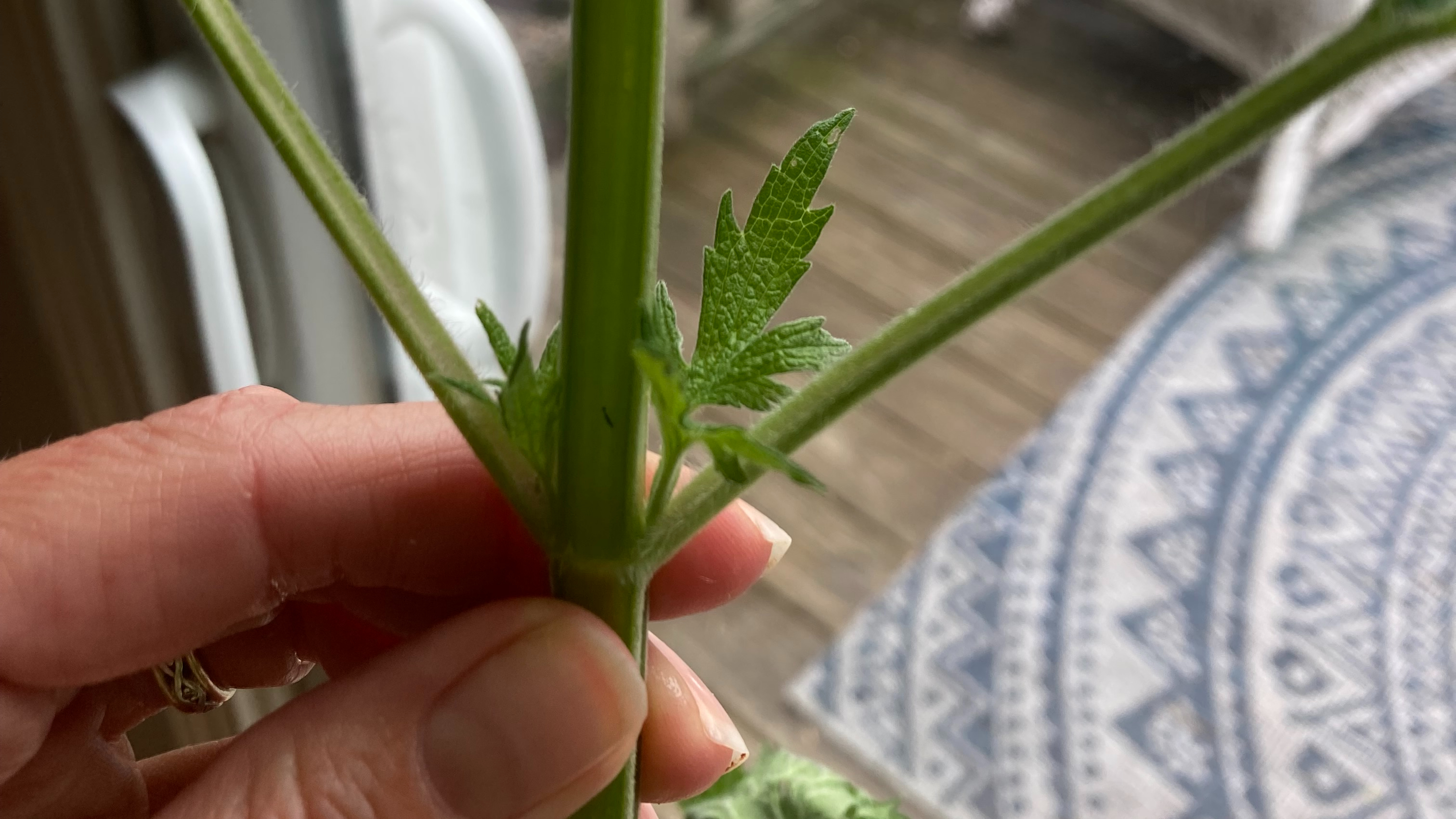
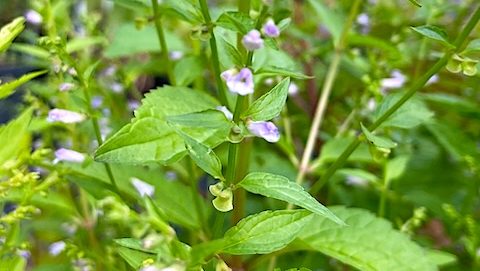
square stems of the lamiaceae; motherwort has an especially strong stem

I went back today to gather some with his permission. A member of the mint family with the characteristic square stem of that species, you can see the shape in the picture above, making it easy to identify.

The lovely leaves are drying now, which means I can make my own bottle of tincture. Pure magic.

Leave a comment

Filed under Uncategorized

Herbal Remedy for Colitis/IBS/gut inflammation

Some time ago a friend approached me about his case of chronic colitis. Which is to say — he has had it for a long time and it’s pretty miserable, and did I have any suggestions?

Off the top of my head, other than demulcents, which are mucilaginous herbs that coat and soothe inflamed or irritated membranes, I did not. But I did a bit of reading and found that there is an herbal formula that has been used for IBS and similar problems related to the digestive system for a long time with good results, and has been adapted for use with modern constituent derivatives, etc. Looking at the ingredients list, it seemed to me that the formula addresses inflammation and virus in the gut. None of the ingredients had contra-indications that discouraged me, though these are definitely medicinal, rather than tonic herbs. By that I mean that these herbs are known to have powerful and immediate effects, as opposed to herbs that are gentler and can be taken daily and indefinitely. 

I decided to make the traditional formula myself and share it with him. 

There are versions of the formula that can be purchased online and have been modified from the traditional version by their makers, but I found an “original” formula that did not include derivative compounds, and purchased those herbs.

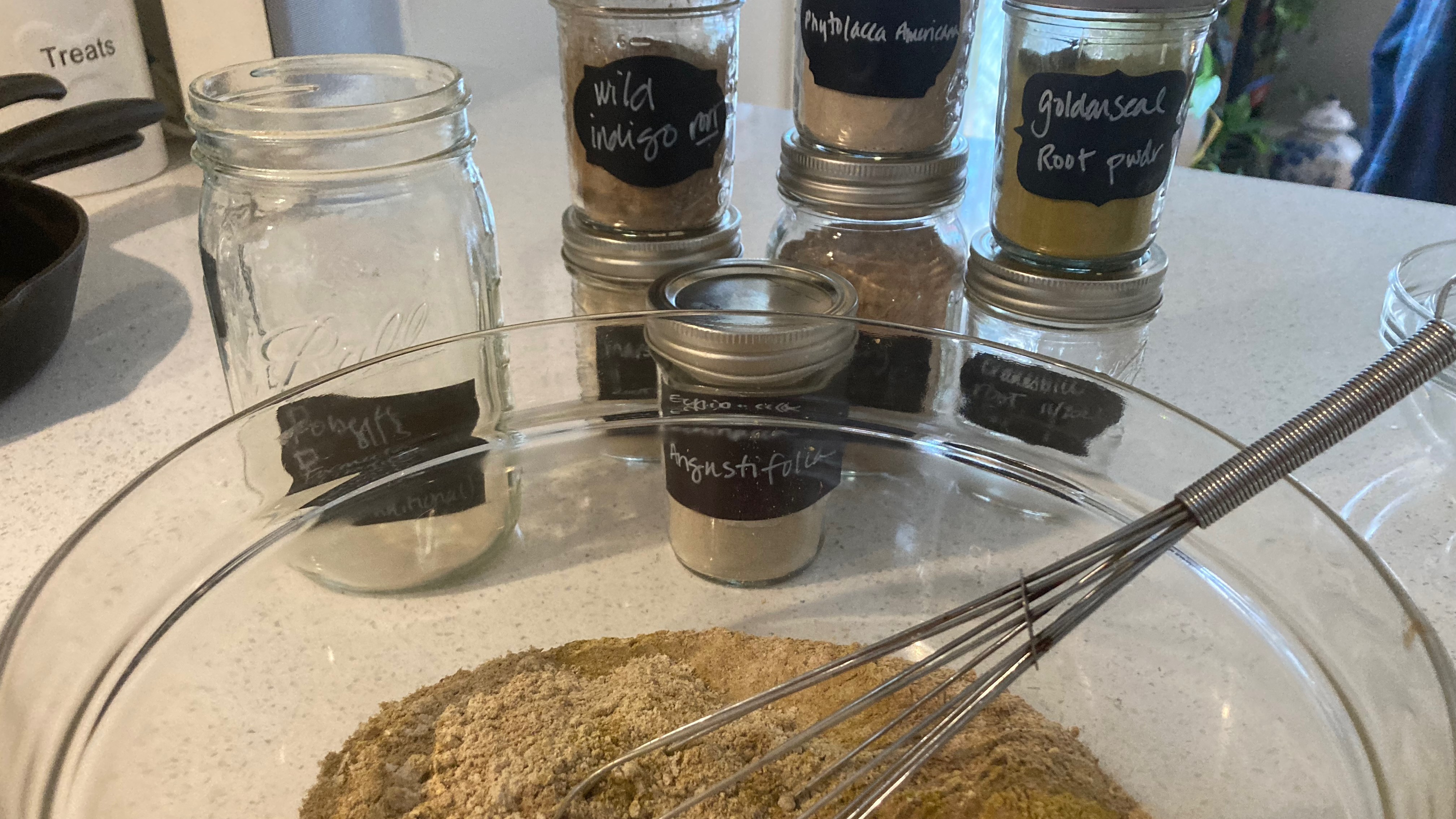
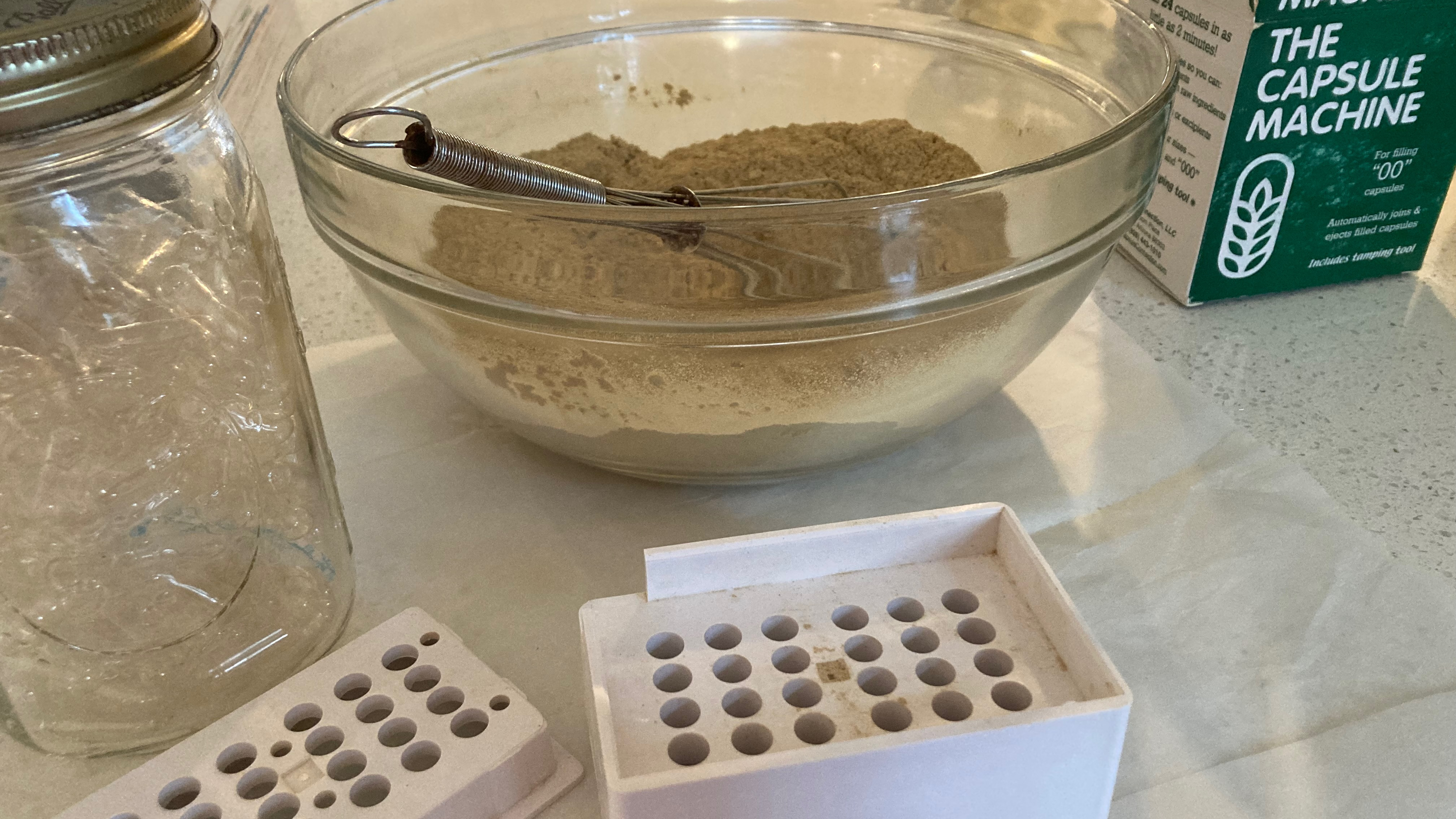
a mixing bowl of herbs flanked by jars of each type that appear in the bowl.
the individual ingredients in Roberts formula pictured here and combined at front in a mixing bowl before encapsulating

I will give away the ending before continuing this story: this formula worked for him. It corrected a chronic and persistent case of colitis that had been present for over a decade in a matter of weeks. 

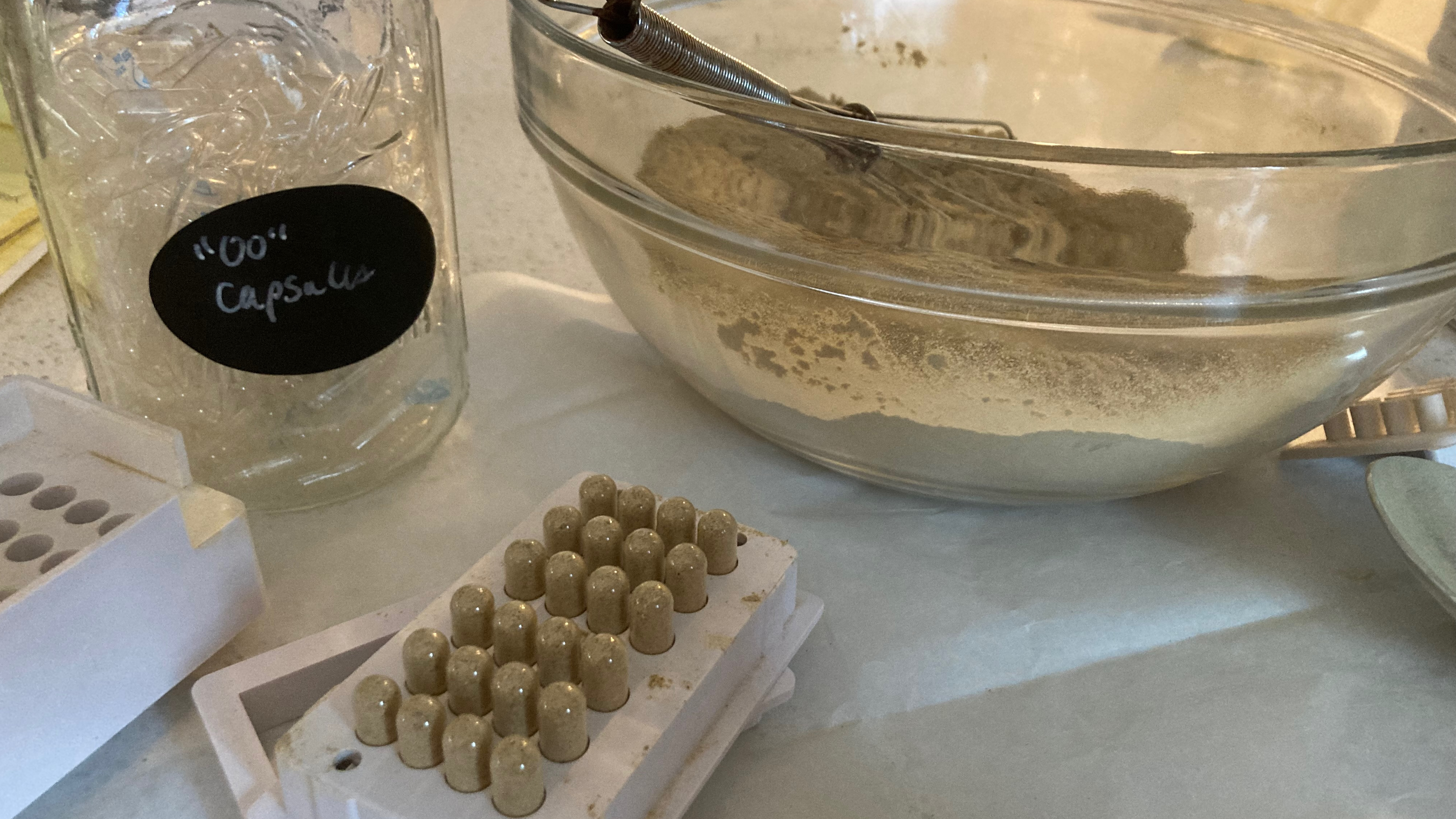
encapsulating Robert’s Forumula

When the herbs arrived I had to grind some in order to be able to compound them, so I spent a Saturday morning grinding and combining them in equal parts. The old formula did not specify the quantity or ratio of each herb. I know from my herbal studies that often we combine in equal parts unless we know an herb (like cayenne or in goldenseal, for example) should be used more sparingly. I made the decision to combine them in equal parts.

The ingredients in the formula I made: Purple Coneflower root (Echinacea angustifolia), Marshmallow Root (Althaea officinalis), Wild Indigo Root (Baptisia tinctoria. note here the original called for a different genus – Baptisia australis, but the tinctoria was available and I judged the substitution to be fine), Slippery Elm Bark (Ulmus rubra), Poke Root (Phytolacca americana), American Cranesbill Root (Geranium maculatum), Goldenseal Root (Hydrastis canadensis. A note, this is an endangered species at this time so I was careful to order it organically cultivated. Please don’t buy this wildcrafted.)

We know that herbs are the original medicine of the people, and that they are powerful and effective, but I was surprised at how quickly and effectively this formula worked because traditional allopathic medicine had tried and failed to treat him. The truth is that allopathic medicine often is more quickly effective for some things – for killing pain, for example. But in this case these herbs, which are whole foods, worked with his body to remedy a problem that had been serious and persistent for many years, and had not been treatable with allopathic medicine.

Some of the versions of this formula you can buy are liquid and arguably more easily absorbed. I felt that in this person’s case the ease of the capsules would help ensure he’d take them, and the pure nature of the herbs compounded together with no “carrier” ingredients (tincture or syrup) felt intuitively right and was more accessible to me. 

If you have questions about this please feel free to reach out to me. I’m not a doctor, just a simpler herbalist, but I felt sharing this was important because of the profound effect it had for my friend , and I know that many people have similar digestive problems. 

Wishing you wellness.

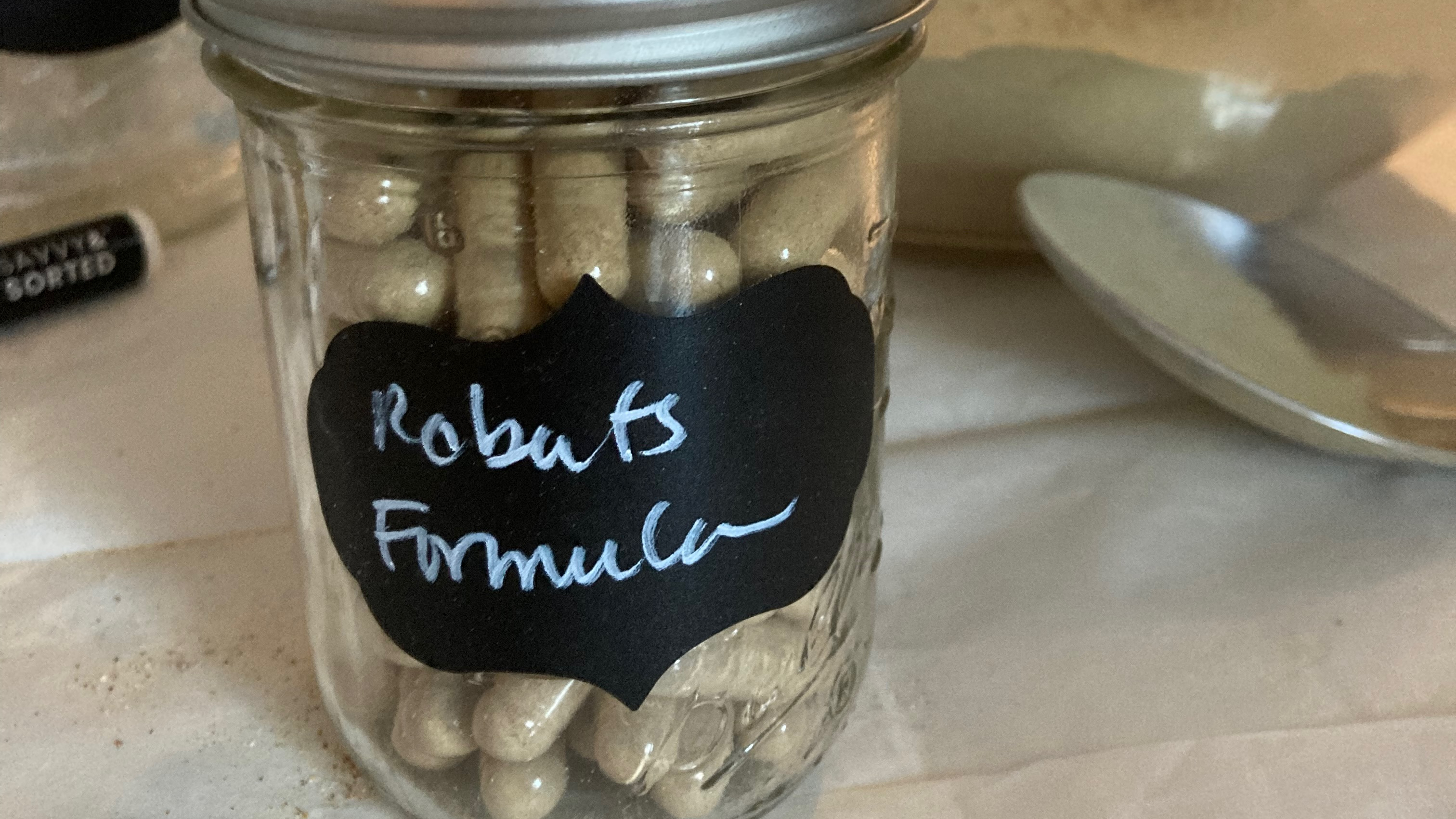
Finished Roberts Formula capsules

Leave a comment

Filed under Uncategorized

On Cholesterol, or No One Really Likes Statins Do They?

Over the years it seems like I’ve heard about cholesterol continually. My first husband was always avoiding eggs and butter because cholesterol ran in his family, and my current husband Jon is locked in mortal battle with the matter of whether to take statins, which give him muscle weakness.

Historically I’ve avoided medical literature because … well, it’s pretty dry. Recently, though, I sat down and read about cholesterol because I want to help Jon deal with it. I’m an herbalist and feel confident that if I help him modify his diet and supplement with supportive herbs and relevant lifestyle changes we can ward off his doctor’s requests that he take statins. The proof will be in the pudding of his next cholesterol screening, but in the meantime we’re on this train. 

So, here’s what I learned about cholesterol, which turns out to have an actual purpose in our bodies:

“Stress, toxins, alcohol, and many other substances create free radicals in the body by catabolizing (breaking down) oxygen molecules into reactive oxygen species, which are single atoms of oxygen that have extra “unpaired” electrons.  These “excited” electrons cleave onto other electrons in body tissues and walls of arteries, creating micro-wounds.  This is the same process that causes metal to rust – aka oxidation…

… In order to repair damaged tissue, hormones signal the liver to release cholesterol, which is a life-saving endogenous antioxidant.  Cholesterol repairs the wound. But when this type of oxidation is continual, day in and day out, the excessive wounding creates an immune response, which generates more tissue irritability and more cholesterol, and that builds up into plaque…

Paradoxically, “… the discovery of cholesterol plaque build up in arteries led to a misconception that high cholesterol is a cause of heart disease.  In fact, one cause of heart disease is the inflammation that triggers the release of cholesterol…”  (Maier, from Energetic Herbalism)

So, cholesterol serves a function in the body – it tries to protect the heart. And, heat and inflammation are healed by cholesterol.  We are treating elevated cholesterol levels with statins, but we aren’t treating heat and inflammation with them. So we’re treating a symptom, not the cause of the problem.

… And statins can cause liver damage and the breakdown of muscle tissue.  Maier says it is important to check liver function every 3-6 months when taking statins.  I’ll ask if liver function tests have come up during Jon’s odyssey with statins – he hasn’t mentioned it.

So what are the recommendations for lowering cholesterol production/reduction of inflammation and heat of oxidation?

  • Lower Sugar Intake – sugar causes cell to make its own cholesterol, which isn’t taken up and contributes to ldl levels.   (it’s such a bummer about sugar. it’s so tasty)
  • Consume antioxidants: red, blue, and purple berries, including aronia berries, blueberries, pomegranates, elderberries, and dark green vegetables
  • Sedative sour herbs: sumac (Rhus spp) and hibiscus help clear inflammation, also Roselle (H. Sabdariffa) has antioxidant effects, esp related to cholesterol.
  • 1 clove of garlic daily 
  • 25 g of oatbran on breakfast cereal
  • 1-2 tsp of oolong (especially Pu erh tea/day  (from Ody, Complete Medicinal Herbal)
  • Oyster mushrooms seem to have a cholesterol-lowering affect: https://www.sciencedirect.com/science/article/abs/pii/S1756464610000630)

Some other interesting things to know about cholesterol and how it functions in your body:

  • Production of sex hormones, adrenal hormones including cortisol, corticosterone, and aldosterone
  • Production of bile
  • Necessary for production of vitamin D in the body
  • Important for the metabolism of fat-soluble vitamins
  • Insulating material for nerve fibers
  • Regulation of serotonin
  • Maintenance of cell membrane permeability
  • Essential role in preservation of memory

And about Red yeast rice extract - it is made from fermentation of rice with Monascus purpureus yeast.  This is the substance statin drugs have been produced from and is as effective as statins but takes longer (~6 months) to have an effect on cholesterol levels and must be taken with CoQ10.  CoQ10 is a hormone (called ubiquonone) which is found in every cell of the body and is stored in the mitochondria (organelles that power our cells). It also acts as an antioxidant.  Statins cause so much damage because they severely diminish natural production of CoQ10.  Red yeast rice does, too, but at a much lower rate. 

It’s important to know that red yeast rices is a symptomatic treatment in that is lowers cholesterol levels but is does not treat inflammation, which is the cause of the elevated cholesterol production.  (above from Maier, Energetic Herbalism)

Leave a comment

Filed under Uncategorized

Awesome Herbal Burn (or all-purpose) Salve

dated burn salve tin label

One night this week I decided to roast some honeynut squash for dinner. We store our cast iron pans in the stove sometimes, and that night that was where they were. Jon started the oven and sometime later we realized the pans were in the oven heating up, so we removed them with hot mitts and went back to slicing squash, listening to Ike Quebec (jazz) and enjoying a glass of red wine.

Predictably, moments later I reached to move the pans aside and, touching the pan handle, burned myself. Sizzle – ouch!

I remembered immediately that this summer during my course in herbalism I made all-purpose (aka burn) salve, and reached into the cabinet for it. After a few minutes of rubbing the salve into my burned skin my hand felt miraculously better.

To be honest I was surprised.

I knew the salve would have healing properties, I knew the the scarring I usually have on my hands after burning myself in the kitchen would likely be far less angry and noticeable. But I didn’t expect that the salve would stop the pain. I was astonished that it did. By the time we sat down to dinner I didn’t have any pain.

the salve consistency shown in jar and on fingers

Rosemary Gladstar, who shared this recipe in an herbalism class I took this year, says that this salve is an all-purpose salve and can be used for rashes, cuts, wounds, even diaper rashes. I made it for myself as a burn salve – I knew it would come in handy.

In the past I have tried other burn remedies from the pharmacy — cooling sprays, antibiotic pain relieving creams … and of course running burnt skin under cold water. Always I’m left with a day or two of burning pain and a blister or mark that lasts days or weeks. Not this time.

I did run some cold water over the burn immediately, and only for a moment, before applying the salve, but the salve made all the difference. So I want to share how to make it for other cooks who, like me, sometimes burn themselves in the kitchen, or for anyone that’s looking for an honest and effective skin salve. Enjoy!

Rosemary Gladstar’s All-Purpose (aka Burn) Salve recipe

1 part st. john’s wort leaf and flower

1 part comfrey leaf

1 part calendula flowers

olive oil (or sunflower oil)

beeswax

Step 1: Place each of the herbs in a glass jar and cover with 1-2 inches of oil. Place in a sunny window and let infuse for 2-3 weeks (I left mine a little longer). Strain and rebottle. label and date.

To make the salve strain the oil. For each cup of herbal oil add 1/4 cup beeswax. heat the oil and beeswax together over very low heat to melt the beeswax. The beeswax will thicken as it cools.

To check for firmness do a quick consistency test: place 1 tablesppon of the mixture in the freeze for a minute or two. check to be sure its the firmness you want. For harder salve, add more beeswax, for softer salve, add more oil.

When you are happy with the consistency of the salve remove from heat and pour into glass jars or tins. Store in a cool dry place.

freshly jarred st johns wort oil and cbd salve

Please feel free to send me any questions you have about the salve or the process of making it!

Leave a comment

Filed under Uncategorized